Home houses sets the stage for this enthralling narrative, offering readers a glimpse into a story that is rich in detail with casual formal language style and brimming with originality from the outset.
This comprehensive exploration delves into the multifaceted concept of home houses, examining their historical evolution, cultural significance, and the profound impact of technology and economics on their definition and function. We will journey through diverse architectural styles, construction methodologies, and the crucial process of acquiring and maintaining these vital structures, ultimately considering their role in community development and heritage preservation.
The evolving definition of what constitutes a “home house” in contemporary society requires a thorough examination of its multifaceted interpretations beyond mere shelter.
The concept of a “home house” has transcended its fundamental role as a mere physical structure providing shelter from the elements. In today’s dynamic world, it has become a complex tapestry woven from personal identity, social aspiration, cultural heritage, and technological integration. Understanding this evolution necessitates a deep dive into its historical trajectory, its diverse global manifestations, the profound impact of technological innovation, the shaping influence of economic realities, and the deeply ingrained psychological and emotional dimensions that truly define a house as a home.
Historical Progression of the Concept of a “Home House”
The journey of the “home house” from a rudimentary shelter to a sophisticated symbol of identity is a fascinating narrative of human civilization’s progress. In prehistoric times, dwellings were primarily functional, offering protection from predators and harsh weather. Cave dwellings, simple huts, and rudimentary shelters were the norm, driven by the immediate need for survival. As societies began to stabilize and agriculture took root, permanent structures emerged, often reflecting the communal living patterns and social hierarchies of the time.
Early villages and settlements saw the rise of more organized housing, though still largely dictated by necessity and available resources.The classical era introduced more elaborate architectural styles, with affluent individuals commissioning residences that showcased their wealth and status. Think of the Roman villa or the Greek oikos, which were not just places of living but also centers of family life, social gatherings, and economic activity.
These structures began to embody a sense of permanence and familial legacy. During the medieval period, the concept of the fortified manor house emerged, highlighting security and the lord’s authority, while peasant dwellings remained basic and functional. The Renaissance and subsequent periods saw a greater emphasis on aesthetics and comfort, with the development of specialized rooms for different activities, reflecting a growing understanding of domestic life.The Industrial Revolution marked a pivotal shift.
Urbanization led to the mass construction of housing, often in crowded and less-than-ideal conditions, but it also fostered the idea of the nuclear family and the distinct private dwelling. The Victorian era, in particular, cemented the image of the detached family home, with its emphasis on privacy, domesticity, and a clear separation between work and home life. This period also saw the rise of the suburban ideal, where owning a home became a tangible aspiration for the growing middle class, symbolizing stability, achievement, and a secure future.
In the 20th century, modernism brought about new architectural approaches focused on functionality, efficiency, and open-plan living, further evolving the aesthetic and practical aspects of the home. Post-war suburban expansion in many Western countries solidified homeownership as a cornerstone of the “American Dream” and similar aspirations globally, transforming the “home house” into a powerful symbol of personal success and belonging.
Cultural and Regional Nuances Shaping the Perception and Function of a “Home House”
The very essence of what constitutes a “home house” is profoundly shaped by the diverse cultural and regional landscapes across the globe. These variations are not merely superficial aesthetic differences but reflect deeply ingrained societal values, historical experiences, climatic conditions, and spiritual beliefs. For instance, in many East Asian cultures, such as China and Japan, the concept of family and ancestral respect is paramount, which often translates into architectural designs that emphasize communal spaces and the integration of nature.
Traditional Japanese homes, with their tatami mats, sliding doors (shoji), and the careful arrangement of gardens, prioritize harmony, tranquility, and a connection to the natural world, embodying a philosophy of living in balance.Contrast this with the vibrant and often extended family structures prevalent in many parts of Latin America and Africa. Here, homes are frequently designed to accommodate multiple generations living under one roof, fostering a strong sense of community and shared responsibility.
Open courtyards, large common areas, and adaptable living spaces are common, facilitating frequent social interaction and large family gatherings. The perception of a “home house” in these regions is intrinsically linked to its role as a hub for social life and familial support.In Northern European countries, the emphasis might be on practicality, energy efficiency, and a cozy, inward-looking design, often influenced by colder climates and a cultural appreciation for hygge (Danish for coziness and comfortable conviviality).
Homes might feature robust construction, well-insulated interiors, and a focus on creating warm, inviting spaces that offer refuge from the outdoors. Conversely, in warmer climates of the Mediterranean or parts of the Middle East, homes often feature courtyards, verandas, and large windows to encourage airflow and outdoor living, blurring the lines between interior and exterior spaces and reflecting a lifestyle that embraces the outdoors.Furthermore, religious and spiritual beliefs play a significant role.
In many Islamic cultures, for example, the design of homes often includes segregated areas for men and women, with a central courtyard serving as a private, communal space for the family. Indigenous communities around the world often have traditional dwellings that are deeply connected to their land and spiritual practices, with construction methods and materials passed down through generations, reflecting a holistic view of shelter as an integral part of their environment and identity.
These diverse approaches underscore that a “home house” is far more than just walls and a roof; it is a culturally imbued space that reflects a community’s way of life, its values, and its relationship with the world around it.
Technological Advancements Influencing the Design, Utility, and Inhabitant Experience within Modern “Home Houses”
The relentless march of technological innovation has fundamentally reshaped the modern “home house,” transforming it from a static structure into an intelligent, dynamic, and highly personalized living environment. This influence is evident across design, utility, and the very experience of inhabiting these spaces. In terms of design, technology has enabled greater flexibility and customization. Smart home systems, for instance, allow for the seamless integration of lighting, heating, cooling, security, and entertainment, all controllable through a central hub or even voice commands.
This has led to the development of more modular and adaptable architectural designs, where spaces can be reconfigured to suit evolving needs. For example, a living room can transform into a home office or a media room with the push of a button, thanks to retractable walls or integrated smart furniture.The utility of a modern home house has been dramatically enhanced.
Energy efficiency has become a major focus, with advancements in smart thermostats, solar panels, and energy-efficient appliances significantly reducing a home’s environmental footprint and operational costs. Internet of Things (IoT) devices are now ubiquitous, enabling appliances to communicate with each other and with their occupants. Refrigerators can reorder groceries when supplies run low, security systems can alert homeowners to potential intruders via their smartphones, and even robotic vacuum cleaners maintain cleanliness autonomously.
This interconnectedness creates a more convenient and efficient living experience.The inhabitant experience has also undergone a profound metamorphosis. The concept of the “connected home” means that individuals are no longer tethered to their physical dwelling to manage it. They can monitor and control their home’s systems from anywhere in the world, providing peace of mind and greater control over their environment.
Furthermore, technology has facilitated new forms of entertainment and communication within the home. Immersive home theater systems, high-speed internet for seamless streaming and online gaming, and smart displays that facilitate video calls with loved ones have become integral to the modern living experience. The incorporation of AI-powered assistants, like Amazon Alexa or Google Assistant, has further personalized the home, offering instant access to information, music, and control over various devices, making the home house more responsive and intuitive to its occupants’ needs and preferences.
The future promises even more integration, with predictive maintenance for appliances, personalized climate control based on individual preferences, and even health monitoring systems embedded within the home itself, further blurring the lines between the physical and digital realms of domestic life.
Economic Factors Impacting the Collective Understanding of a “Home House”
The economic landscape plays a crucial role in shaping how societies collectively understand and aspire to the concept of a “home house.” Affordability, property ownership trends, and the broader economic climate directly influence accessibility, perceived value, and the very definition of what a desirable home entails. In many developed nations, homeownership has historically been positioned as a cornerstone of financial security and a significant marker of adult achievement.
However, rising property prices, stagnant wage growth, and increasing housing debt have made this aspiration increasingly challenging for many, particularly younger generations. This economic pressure can lead to a recalibrated understanding of a “home house,” where the focus shifts from outright ownership to secure and stable rental options, or even to more unconventional housing solutions like co-living spaces or micro-apartments.The trend of increasing property values in desirable urban centers has created a dichotomy.
For those who can afford it, a “home house” represents not just a place of residence but also a substantial investment and a source of generational wealth. This can lead to a heightened emphasis on property as a status symbol and a driver of economic mobility. Conversely, for those priced out of these markets, the dream of a traditional “home house” can feel perpetually out of reach, leading to a redefinition of what constitutes a fulfilling living situation.
This might involve prioritizing location and access to amenities over square footage or ownership, or accepting smaller, more functional living spaces.Furthermore, economic downturns and housing market fluctuations can profoundly impact the collective psyche regarding home security. The experience of mortgage crises or widespread foreclosures can instill a sense of caution and a greater appreciation for financial stability, potentially leading to a preference for smaller, more manageable homes or a reluctance to overextend financially on property.
The gig economy and increasing job precarity also influence housing choices, as individuals may prioritize flexibility and mobility over long-term property commitments. This can lead to a greater acceptance of diverse housing models, including those that are more adaptable to changing economic circumstances.The impact of government policies, such as first-time buyer incentives, affordable housing initiatives, and property taxation, also directly influences the collective understanding of a “home house.” These policies can either facilitate or hinder access to homeownership, thereby shaping societal norms and aspirations.
Ultimately, economic factors create a complex interplay between the ideal of a “home house” and the practical realities of its acquisition and maintenance, influencing what is considered attainable, desirable, and a true measure of success.
Framework for Understanding the Psychological and Emotional Dimensions of “Home” within a “Home House”, Home houses
The transition from a mere physical structure to a true “home” is a deeply psychological and emotional process, involving the creation of a sense of belonging, security, and personal identity. This framework helps to unpack the intangible qualities that transform four walls and a roof into a sanctuary. At its core, the feeling of “home” is rooted in the fundamental human need for security and safety.
A home house provides a physical refuge from the external world, a place where one can relax, recharge, and feel protected from harm. This sense of security is not solely physical; it also encompasses emotional safety, the freedom to be oneself without judgment, and the assurance that one is cared for and supported. This forms the bedrock upon which all other emotional connections to a dwelling are built.Next is the dimension of belonging and connection.
A home house is where relationships are nurtured. It is the space where families interact, friendships are forged, and personal histories are created. The shared experiences, traditions, and memories that unfold within its walls foster a profound sense of belonging. This can extend beyond immediate family to include a connection to the neighborhood and the wider community, contributing to a broader sense of social integration.
The presence of loved ones, pets, and even familiar objects can all contribute to this feeling of being rooted and connected.The concept of identity and self-expression is also intrinsically linked to the feeling of home. A home house is a canvas upon which individuals and families project their personalities, values, and aspirations. The choices made in decorating, furnishing, and organizing a space reflect who we are and how we wish to be perceived.
It is a place where personal tastes are indulged, where cherished possessions are displayed, and where the external world’s demands can be set aside to embrace one’s authentic self. This act of imbuing a space with personal meaning is crucial in transforming a house into a home.Furthermore, familiarity and routine contribute significantly to the emotional resonance of a home. The predictability of one’s surroundings, the established patterns of daily life, and the comfort of knowing where things are all create a sense of grounding and stability.
This familiarity can evoke feelings of nostalgia and comfort, reinforcing the emotional attachment to the space. Even subtle sensory cues, such as a particular scent or the way light falls through a window at a certain time of day, can trigger a deep-seated feeling of being “home.” Finally, the notion of control and autonomy is vital. Having agency over one’s living environment, being able to make decisions about its upkeep and use, fosters a sense of empowerment and ownership that is essential for the feeling of home.
It is the ability to shape one’s immediate surroundings to meet personal needs and desires that solidifies the psychological and emotional connection to a physical dwelling.
Exploring the diverse architectural styles and design philosophies that characterize different types of “home houses” offers a rich tapestry of human creativity and practical application.
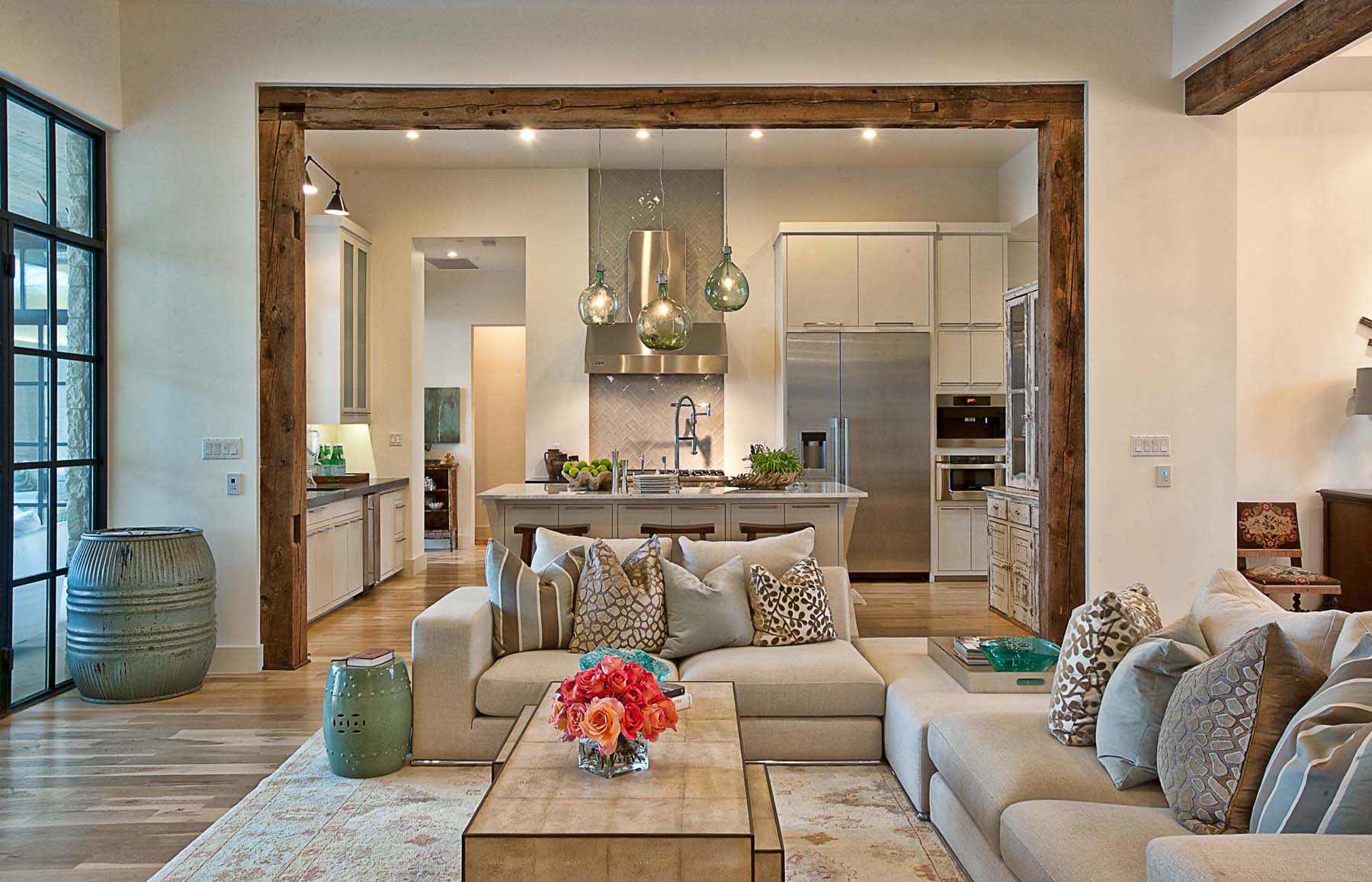
The evolution of the “home house” is intrinsically linked to the history of human civilization, reflecting not only our changing needs for shelter but also our aesthetic sensibilities, technological advancements, and cultural values. From rudimentary dwellings to sophisticated modern residences, architectural styles have consistently adapted, offering a visual narrative of societal progress. Understanding these diverse approaches provides crucial insights into how we have shaped and been shaped by our living environments.This exploration delves into the varied architectural landscapes that define “home houses,” examining the underlying design philosophies and the tangible outcomes they produce.
We will investigate the significant movements that have left an indelible mark on residential design, contrast the material and construction approaches of the past with the present, and highlight the growing importance of sustainability. Furthermore, the crucial role of interior design in personalizing these spaces and the innovative use of space in smaller homes will be considered, revealing the multifaceted nature of what makes a house a true home.
Prominent Architectural Movements Influencing Home House Design
Throughout history, various architectural movements have significantly shaped the way “home houses” are conceived and constructed, each bringing distinct aesthetic principles and functional considerations. These movements are not merely stylistic trends but often represent broader cultural and philosophical shifts, influencing everything from the overall form to the smallest decorative detail. Examining these styles allows us to appreciate the evolution of domestic architecture and its connection to societal values.The Neoclassical style, for instance, drew inspiration from ancient Greek and Roman architecture, emphasizing symmetry, proportion, and grandeur.
This often translated into “home houses” with grand facades, columned entrances, and meticulously balanced layouts, reflecting a desire for order and rationality. In contrast, the Victorian era saw a surge in eclecticism and ornamentation. “Home houses” from this period are characterized by their intricate details, steeply pitched roofs, bay windows, and a general sense of elaborate decoration, embodying a romantic and often dramatic aesthetic.The Modernist movement, emerging in the early 20th century, represented a radical departure from historical styles.
Driven by a philosophy of “form follows function,” Modernist “home houses” embraced simplicity, clean lines, and the use of new industrial materials like steel and glass. Open floor plans, flat roofs, and large expanses of glass became hallmarks, prioritizing functionality and a connection with the surrounding environment. This paved the way for later movements like Postmodernism, which often played with historical references in a more ironic or playful way, and contemporary styles that continue to push boundaries with innovative forms and materials.
Each movement has left a distinct imprint on the residential landscape, offering a rich understanding of design intent and societal aspirations.
Construction Materials and Techniques: Traditional Versus Contemporary Home Houses
The materials and construction techniques employed in building “home houses” have undergone a dramatic transformation, reflecting advancements in technology, resource availability, and evolving priorities. Traditional methods often relied on locally sourced, natural materials, emphasizing durability and craftsmanship. Contemporary approaches, conversely, leverage engineered materials, advanced manufacturing, and a focus on efficiency and performance. Understanding these differences reveals the distinct advantages and drawbacks of each era’s building practices.Traditional “home houses” frequently utilized materials such as timber, stone, brick, and mud.
Timber framing, for example, was prevalent in many regions, offering a strong yet flexible structural system. Stone provided exceptional durability and thermal mass, while brick offered a readily available and fire-resistant option. Construction techniques were often labor-intensive, relying on skilled artisans who understood the properties of these natural materials. For instance, mortise and tenon joints in timber framing or the careful laying of bricks were skills passed down through generations.
The advantages of these methods included longevity and a harmonious integration with the natural environment. However, drawbacks could include susceptibility to certain environmental factors like moisture or pests, and the time and cost associated with manual labor.Contemporary “home houses” often feature a wider array of materials, including concrete, steel, engineered wood products (like plywood and oriented strand board), advanced insulation materials, and a variety of synthetic finishes.
Steel frames offer immense strength and allow for larger spans and more open interior spaces. Concrete provides robust structural integrity and excellent thermal mass. Engineered wood products offer greater consistency and can be more dimensionally stable than solid timber. Construction techniques have been revolutionized by prefabrication, modular building, and advanced digital design tools, leading to faster construction times and reduced waste.
The advantages of contemporary methods include enhanced energy efficiency through superior insulation and airtightness, greater design flexibility, and often faster construction. However, potential drawbacks can include a higher embodied energy in some manufactured materials, a potential disconnect from local craftsmanship, and the need for specialized knowledge to maintain and repair these advanced systems.
Integrating Sustainability Principles into Eco-Friendly Home Houses
The imperative for environmental stewardship has increasingly driven the integration of sustainability principles into the design and construction of “home houses,” leading to the development of eco-friendly residences. These homes are conceived with a conscious effort to minimize their ecological footprint throughout their lifecycle, from material sourcing and construction to daily operation and eventual deconstruction. The focus is on creating living spaces that are not only comfortable and healthy for their occupants but also responsible stewards of the planet’s resources.Energy efficiency is a cornerstone of sustainable “home house” design.
This is achieved through a variety of strategies. Passive solar design, for instance, involves orienting the house to maximize natural light and heat gain during cooler months while minimizing it during warmer periods. This often translates to strategic placement of windows and overhangs. High-performance insulation in walls, roofs, and floors, coupled with high-quality, energy-efficient windows and doors, significantly reduces the need for artificial heating and cooling.
Airtight construction, achieved through careful sealing of joints and penetrations, prevents unwanted air leakage, further enhancing thermal performance.Beyond insulation and sealing, renewable energy sources play a vital role. Solar photovoltaic (PV) panels are increasingly common, generating electricity from sunlight and reducing reliance on fossil fuels. Solar thermal systems can provide hot water, further decreasing energy consumption. Water conservation is another critical aspect.
This includes the installation of low-flow fixtures, rainwater harvesting systems for irrigation and non-potable uses, and greywater recycling systems that treat and reuse water from sinks and showers. Material selection also leans towards sustainable options, such as recycled content materials, rapidly renewable resources like bamboo, and locally sourced materials to reduce transportation emissions. The ultimate goal is to create “home houses” that are not only energy-neutral or even energy-positive but also minimize waste, conserve water, and promote a healthier indoor environment through the use of low-VOC (volatile organic compound) materials.
The Role of Interior Design in Personalizing and Functionalizing Home Houses
Interior design is instrumental in transforming a structurally sound “home house” into a personalized, functional, and comfortable living space that truly reflects its inhabitants. It goes beyond mere aesthetics, encompassing the strategic arrangement of elements to enhance usability, promote well-being, and create an environment that supports the daily lives and aspirations of those who dwell within. The careful consideration of layout, lighting, and décor weaves together the physical structure with the human experience.The layout of a “home house” is fundamental to its functionality.
Interior designers meticulously plan the flow of movement between rooms, ensuring logical transitions and maximizing the utility of available space. This involves defining distinct zones for living, dining, working, and resting, while also considering how these areas can interact or be separated as needed. For example, an open-plan living area can foster a sense of spaciousness and connection, while strategically placed partitions or furniture arrangements can create more intimate nooks for focused activities.Lighting plays a dual role in interior design: it is both a functional necessity and a powerful tool for setting mood and enhancing ambiance.
Natural light is harnessed through window placement and treatments, while artificial lighting is layered to serve different purposes. Ambient lighting provides general illumination, task lighting focuses on specific activities like reading or cooking, and accent lighting highlights architectural features or decorative elements. The quality and color temperature of light can profoundly influence the perception of space and the emotional experience within it.Décor, encompassing furniture, color palettes, textures, and accessories, is where the personalization of a “home house” truly shines.
It allows occupants to express their individuality, interests, and preferences. Color choices can impact mood and perception of space; for instance, lighter colors can make a room feel larger and more airy, while warmer tones can create a cozy and inviting atmosphere. Furniture selection balances comfort, style, and practicality, ensuring that pieces not only look good but also serve their intended purpose efficiently.
The thoughtful arrangement of these elements transforms a collection of rooms into a cohesive and expressive sanctuary, a true reflection of its occupants.
Innovative Use of Space and Modularity in Smaller Home Houses
The increasing demand for affordable and adaptable living solutions has spurred innovative approaches to space utilization and modularity, particularly in smaller “home houses.” These designs challenge conventional notions of spaciousness by employing clever strategies to maximize functionality and comfort within compact footprints. This trend appeals to a growing demographic seeking efficient, sustainable, and flexible living arrangements.One of the most significant innovations is the concept of multi-functional furniture and adaptable spaces.
This involves designing elements that can serve multiple purposes, such as sofa beds that convert into sleeping areas, dining tables that fold away or extend, and storage solutions that are integrated into the very fabric of the home, like built-in shelving units that double as room dividers. For example, a living room might feature a custom-built bench with integrated storage drawers, which also serves as seating and a visual demarcation for a dining area.
Walls themselves can become dynamic elements, with sliding panels or hidden compartments that reveal workspaces or additional storage.Modularity, the practice of constructing homes from prefabricated, standardized units, is another key aspect of innovative small home design. These modules can be manufactured off-site in controlled factory conditions, ensuring high quality and reducing on-site construction time and waste. This allows for greater flexibility in design and assembly, as modules can be combined in various configurations to suit different needs and site conditions.
Tiny houses on wheels, for instance, are a prime example of modularity, offering mobility and a significantly reduced environmental impact. These homes are often meticulously designed to include all the essential amenities of a larger dwelling within a very small footprint, demonstrating that compact living does not necessitate a compromise on comfort or quality of life. This approach is particularly attractive to young professionals, downsizers, and those seeking a more minimalist or nomadic lifestyle.
The process of acquiring or building a “home house” involves a complex interplay of financial planning, legal considerations, and personal aspirations that warrant detailed exploration.

Embarking on the journey to own a “home house” is a significant undertaking, often representing one of the largest financial and emotional investments an individual or family will make. This process is far from a simple transaction; it is a multifaceted endeavor that requires meticulous preparation, careful navigation of legal frameworks, and a clear understanding of personal desires. Successfully acquiring or building a home necessitates a strategic approach to finances, a diligent engagement with legal requirements, and a thoughtful consideration of the various pathways available.This section delves into the critical components that form the bedrock of a successful “home house” acquisition.
From the initial stages of financial readiness to the final legalities of ownership, each step is crucial in transforming the dream of homeownership into a tangible reality. Understanding these elements empowers prospective homeowners to make informed decisions, mitigate potential pitfalls, and ultimately secure a dwelling that truly feels like home.
Financial Preparation for Purchasing a “Home House”
The financial groundwork for purchasing a “home house” is paramount and requires a structured, multi-pronged approach. It begins with a realistic assessment of one’s current financial standing and extends to a comprehensive plan for future affordability. This involves not only understanding how much one can spend but also how to strategically position oneself to secure the best possible financing. Careful budgeting is the cornerstone, providing a clear picture of income versus expenses, identifying areas where savings can be maximized, and establishing a realistic price range for potential properties.
Understanding the various mortgage options available is equally vital, as the type of loan secured can significantly impact monthly payments, long-term costs, and overall financial flexibility.Critical steps in this financial preparation include:
- Budgeting and Expense Tracking: Developing a detailed monthly budget to understand disposable income. This involves meticulously tracking all expenditures for at least several months to identify spending habits and potential areas for reduction. Tools like budgeting apps, spreadsheets, or even a simple notebook can be instrumental in this process. The goal is to allocate a specific amount towards potential housing costs, including mortgage payments, property taxes, homeowner’s insurance, and potential maintenance expenses.
- Saving for a Down Payment and Closing Costs: Accumulating funds for a down payment is a primary objective. While some loan programs allow for low down payments, a larger down payment generally leads to lower monthly mortgage payments, reduces the loan-to-value ratio, and can sometimes help avoid private mortgage insurance (PMI). Beyond the down payment, it is crucial to save for closing costs, which can typically range from 2% to 5% of the loan amount.
These costs include appraisal fees, title insurance, attorney fees, recording fees, and lender origination fees.
- Improving Credit Score: A strong credit score is a significant determinant in securing favorable mortgage terms. Prospective buyers should regularly check their credit reports for errors and take steps to improve their score. This typically involves paying bills on time, reducing outstanding debt, and avoiding opening new credit accounts unnecessarily in the months leading up to a mortgage application. A higher credit score often translates to lower interest rates, saving thousands of dollars over the life of the loan.
- Understanding Mortgage Options: Researching and understanding different mortgage types is essential. This includes fixed-rate mortgages, where the interest rate remains constant for the life of the loan, offering payment predictability. Adjustable-rate mortgages (ARMs) have an initial fixed interest rate that can change periodically, potentially offering lower initial payments but also carrying the risk of future increases. FHA loans, VA loans, and conventional loans each have different eligibility requirements, down payment options, and interest rates, making it crucial to compare them based on individual financial circumstances and risk tolerance.
Consulting with multiple lenders can provide a broader perspective on available products and rates.
- Pre-Approval for a Mortgage: Obtaining mortgage pre-approval before seriously house hunting is a strategic move. Pre-approval involves a lender reviewing a borrower’s financial information to determine how much they can borrow. This not only provides a realistic budget but also signals to sellers that the buyer is a serious and qualified contender, which can be a significant advantage in competitive markets.
The practical management and upkeep of a “home house” are essential for preserving its value, ensuring habitability, and creating a comfortable living environment.
The stewardship of a “home house” extends far beyond its initial acquisition or construction. It encompasses a continuous commitment to its well-being, a proactive approach to potential issues, and a dedication to fostering an environment that is both functional and aesthetically pleasing. This ongoing engagement is not merely about maintaining appearances; it is intrinsically linked to the longevity, safety, and overall enjoyment of the dwelling.
Effective management ensures that the home remains a sanctuary, a place of comfort and security, and a sound investment for its occupants. Neglecting these responsibilities can lead to a cascade of problems, from minor inconveniences to significant financial burdens and a diminished quality of life within the home. Therefore, understanding and implementing sound management and upkeep practices are fundamental pillars of responsible homeownership.This section delves into the critical aspects of maintaining a “home house,” providing practical guidance and strategic insights.
We will explore the foundational principles of home maintenance, the efficient management of essential utilities, the comparative advantages of DIY versus professional services, the art of organization and decluttering, and the indispensable measures for ensuring safety and security. Each of these elements plays a vital role in the holistic care of a home, contributing to its enduring value and the well-being of its residents.
Fundamental Principles of Home Maintenance
The cornerstone of preserving a “home house” and ensuring its continued habitability lies in a robust and consistent maintenance regimen. This involves a dual approach: undertaking regular, routine tasks that address immediate needs and implementing preventative measures designed to sidestep more significant and costly issues down the line. Proactive care is invariably more economical and less disruptive than reactive repairs.
For instance, regularly cleaning gutters and downspouts, a relatively simple task, can prevent water damage to the foundation, fascia, and soffits, which can be extremely expensive to rectify. Similarly, inspecting and sealing minor cracks in exterior paint or caulking around windows and doors can prevent water infiltration, mold growth, and energy loss, all of which can escalate into major repair projects.Routine maintenance tasks are the everyday guardians of a home’s integrity.
These include, but are not limited to, changing air filters in HVAC systems quarterly to improve air quality and system efficiency, checking and cleaning refrigerator coils for optimal performance, and inspecting smoke and carbon monoxide detectors monthly to ensure they are functioning correctly. Beyond these, a homeowner should establish a schedule for tasks such as inspecting plumbing for leaks, testing sump pumps, cleaning drains to prevent clogs, and lubricating moving parts of doors and windows.
The exterior of the home also demands regular attention. This involves checking the roof for missing or damaged shingles, inspecting the foundation for any signs of settling or cracking, and ensuring landscaping is managed to direct water away from the house.Preventative measures are the strategic investments in a home’s future. This might involve scheduling annual professional inspections of the HVAC system, plumbing, and electrical systems to identify potential issues before they become critical failures.
It also includes tasks like draining and flushing water heaters annually to remove sediment, which extends their lifespan and improves efficiency. In colder climates, winterizing outdoor faucets and inspecting insulation in attics and crawl spaces are crucial preventative steps against freeze damage and heat loss. The psychological benefit of consistent maintenance cannot be overstated; it fosters a sense of control and pride in one’s dwelling, transforming a house into a truly cherished “home house.” By diligently adhering to these principles, homeowners can significantly reduce the likelihood of unexpected, expensive repairs and maintain a comfortable, safe, and valuable living environment.
Managing Household Utilities and Services Efficiently
The seamless operation of a “home house” is heavily reliant on the efficient management of its various utilities and services. This encompasses a mindful approach to energy consumption, water usage, and waste disposal, all of which have direct implications for both the household budget and the environmental footprint. An organized strategy for these essential services ensures not only cost savings but also a more sustainable and comfortable living experience.
This requires a degree of awareness and a willingness to adopt practices that optimize resource utilization.Energy management is paramount in reducing utility bills and enhancing a home’s comfort. This begins with understanding your energy consumption patterns. Regularly reviewing utility bills can highlight periods of unusually high usage, prompting investigation into potential causes such as inefficient appliances, drafts, or excessive use of heating and cooling systems.
Simple actions like programming thermostats to adjust temperatures when the home is unoccupied or sleeping can yield significant savings. Investing in energy-efficient appliances, such as ENERGY STAR certified refrigerators, washing machines, and dishwashers, can further reduce consumption. Sealing air leaks around windows, doors, and electrical outlets with caulk and weatherstripping is a cost-effective way to prevent heated or cooled air from escaping.
Regular maintenance of HVAC systems, including cleaning or replacing air filters, ensures they operate at peak efficiency.Water conservation is another critical aspect of utility management. Leaky faucets and toilets can waste hundreds of gallons of water per day, leading to inflated water bills and unnecessary strain on municipal water supplies. A systematic check for leaks, which can often be detected by monitoring the water meter when no water is in use, should be a routine task.
Installing low-flow showerheads and aerators on faucets can significantly reduce water consumption without compromising performance. Consider drought-tolerant landscaping in outdoor areas to minimize irrigation needs. Furthermore, educating household members about mindful water use, such as taking shorter showers and only running dishwashers and washing machines with full loads, contributes to overall efficiency.Waste disposal management involves not only the regular removal of refuse but also a commitment to reducing, reusing, and recycling.
Understanding local recycling guidelines and participating diligently can divert a substantial amount of waste from landfills. Composting organic kitchen scraps and yard waste can further reduce the volume of trash and provide valuable fertilizer for gardens. For non-recyclable waste, ensuring bins are properly sealed to prevent odors and pest attraction is important. Some municipalities offer specialized collection for hazardous waste, electronics, or bulk items, and knowing these schedules and procedures can lead to more efficient and environmentally responsible disposal.
By integrating these practices, the management of utilities and services becomes a proactive effort, contributing to a more economical, sustainable, and well-functioning “home house.”
DIY Home Improvement vs. Professional Contractors
The decision of whether to undertake home improvement projects oneself or to engage professional contractors is a recurring consideration for any “home house” owner. Both approaches offer distinct advantages and disadvantages, and the optimal choice often depends on the nature of the project, the homeowner’s skill set, available time, and budget. Understanding these differences is crucial for making informed decisions that lead to successful outcomes and preserve the integrity of the home.DIY (Do It Yourself) projects offer several compelling benefits.
Primarily, the cost savings can be substantial, as one eliminates the labor charges associated with hiring professionals. This allows homeowners to stretch their renovation budgets further or to undertake more projects than they might otherwise be able to afford. DIY also fosters a sense of accomplishment and can provide valuable practical skills. For smaller, less complex tasks such as painting a room, replacing a faucet, or assembling furniture, DIY is often a practical and rewarding choice.
It allows for greater control over the pace of the work and the specific materials used. Furthermore, for individuals who genuinely enjoy hands-on work and possess a good understanding of basic home systems, DIY can be a source of personal satisfaction and a way to deeply connect with their living space. The learning curve associated with DIY can also be a positive aspect, empowering homeowners with the knowledge to tackle future minor repairs independently.However, DIY projects are not without their risks.
A lack of experience or the wrong tools can lead to mistakes that are not only costly to fix but can also compromise the safety and structural integrity of the home. For instance, attempting electrical wiring or complex plumbing without proper knowledge can result in fire hazards, water damage, or code violations. Furthermore, DIY projects can be incredibly time-consuming, potentially disrupting daily life and taking significantly longer than anticipated.
The stress and frustration associated with unforeseen challenges can also detract from the enjoyment of the process. It is also important to consider that some improvements, especially those impacting structural elements or requiring specialized permits, may necessitate professional oversight or execution to meet building codes and insurance requirements.Hiring professional contractors, conversely, brings a wealth of expertise, experience, and specialized tools to a project.
Professionals have a deep understanding of building codes, safety regulations, and best practices, ensuring that work is completed correctly and efficiently. This is particularly important for larger, more complex, or safety-critical projects such as major renovations, roof repairs, or electrical system upgrades. Contractors can often complete projects more quickly than a DIYer due to their efficiency and familiarity with the tasks at hand.
They also typically offer warranties on their work, providing peace of mind and recourse in case of issues. While the upfront cost is higher due to labor charges, the long-term benefits of professional installation can include greater durability, higher quality results, and avoidance of costly mistakes. For homeowners who lack the time, skills, or inclination for hands-on work, or for projects where precision and safety are paramount, hiring professionals is often the prudent choice.
Ultimately, the decision hinges on a careful assessment of the project’s scope, the homeowner’s capabilities, and a realistic evaluation of the associated risks and rewards.
Strategies for Effective Organization and Decluttering
Creating a truly comfortable and functional “home house” hinges significantly on effective organization and decluttering. These practices are not merely about aesthetics; they are fundamental to maximizing usable space, reducing stress, and fostering a sense of calm and order within the living environment. A well-organized home allows for easier access to belongings, simplifies daily routines, and contributes to a more pleasant atmosphere.
Conversely, clutter can lead to a feeling of being overwhelmed, hinder productivity, and make the home feel smaller and more chaotic. Implementing consistent strategies is key to maintaining a harmonious living space.One of the most effective strategies for decluttering is the “one in, one out” rule. For every new item that enters the home, an old, similar item should be removed.
This prevents the accumulation of excess possessions over time. Another powerful technique is the periodic decluttering purge, where specific areas or categories of items are systematically reviewed. This can be done seasonally or on a monthly basis. For instance, dedicating a weekend to decluttering closets, or a few hours to organizing the kitchen pantry, can yield significant results. When tackling a decluttering session, it is helpful to have designated boxes or bags for items to keep, donate, sell, or discard.
The “KonMari method,” popularized by Marie Kondo, which involves gathering all items of a similar type together and then thanking each item before deciding whether to keep it based on whether it “sparks joy,” offers a structured and mindful approach.Maximizing space in a “home house” often involves clever storage solutions. Vertical space is frequently underutilized; therefore, investing in tall shelving units, wall-mounted organizers, and over-the-door storage can dramatically increase storage capacity without encroaching on floor space.
Utilizing drawer dividers, shelf risers, and clear storage bins within cabinets and drawers helps keep items sorted and easily visible. Furniture that serves a dual purpose, such as storage ottomans or beds with built-in drawers, can be invaluable in smaller homes or rooms. For frequently used items, keeping them in accessible locations near where they are used can streamline daily tasks and reduce the need to search through clutter.
For instance, storing cleaning supplies under the sink or keeping mail organizers near the entryway.Regular tidying is as crucial as the initial decluttering. Establishing a habit of putting items back in their designated places immediately after use prevents clutter from accumulating. This might involve a quick 15-minute tidy-up session each evening to reset the living space. Labeling storage containers, boxes, and shelves can also be incredibly beneficial, especially for items that are not frequently accessed.
Clear labels make it easy to find what is needed and to put items back in the correct location, reinforcing the organizational system. Finally, creating designated zones within the home for specific activities, such as a reading nook, a workspace, or a play area for children, helps to contain items and activities, contributing to a more organized and peaceful environment.
By consistently applying these strategies, the “home house” can transform into a more serene and functional sanctuary.
Importance of Safety and Security Measures
Ensuring the safety and security of a “home house” is paramount, serving to protect its inhabitants from harm and safeguard its assets from theft or damage. A comprehensive approach to safety and security involves implementing a multi-layered strategy that addresses both internal and external threats. This proactive stance not only provides peace of mind but also contributes to the overall habitability and value of the dwelling.
Neglecting these aspects can leave residents vulnerable and susceptible to a range of risks, from minor accidents to significant criminal activity.A fundamental aspect of home security is controlling access. This begins with robust doors and windows. Installing solid core doors with deadbolt locks on all exterior entrances is a crucial first step. For windows, consider reinforcing locks, adding security film, or installing window bars where appropriate, particularly on ground-floor access points.
Exterior lighting is another powerful deterrent. Motion-activated lights around the perimeter of the property can startle potential intruders and illuminate dark areas, making them less appealing targets. A well-lit home exterior also enhances safety for residents returning home after dark.Beyond physical barriers, modern technology offers advanced security solutions. Home security systems, ranging from simple alarm systems to sophisticated integrated smart home setups, can provide monitoring and alerts in case of unauthorized entry.
These systems often include features like door and window sensors, motion detectors, and even surveillance cameras. Video doorbells offer the added benefit of allowing homeowners to see and speak to visitors remotely, enhancing security and convenience. For fire safety, ensuring that smoke detectors and carbon monoxide detectors are installed on every level of the home, including inside and outside sleeping areas, and testing them regularly is non-negotiable.
Having easily accessible fire extinguishers and a well-rehearsed family escape plan further bolsters safety.Preventative measures against environmental hazards are also critical components of home safety. This includes regular maintenance of the electrical system to prevent fires, ensuring proper ventilation to avoid the buildup of harmful gases, and maintaining plumbing to prevent water damage and mold growth. In areas prone to natural disasters, such as earthquakes or floods, specific structural reinforcements and preparedness measures are essential.
Educating all household members about potential hazards and emergency procedures, such as what to do in case of a fire or a break-in, empowers them to react appropriately. Ultimately, a layered approach to safety and security, combining physical deterrents, technological solutions, regular maintenance, and occupant education, is vital for creating a truly secure and protected “home house.”
The Impact of “Home Houses” on Community Development and the Broader Social Fabric
The concept of a “home house” extends far beyond the individual dwelling, profoundly shaping the character, dynamics, and overall health of the communities they inhabit. The presence, variety, and accessibility of different housing types act as powerful catalysts for neighborhood development, influencing demographics, fostering social cohesion, and ultimately contributing to the broader social fabric. Understanding these interconnected influences is crucial for building resilient and thriving communities.
Influence of “Home House” Availability and Distribution on Neighborhood Demographics and Social Cohesion
The availability and strategic distribution of various “home house” typologies significantly mold the demographic makeup and social cohesion of a neighborhood. When a community offers a diverse range of housing options – from starter homes and apartments catering to young families and individuals, to mid-sized family residences, and larger, accessible homes for seniors or multi-generational living – it naturally attracts a broader spectrum of residents.
This demographic diversity, in turn, can foster a richer social fabric. For instance, neighborhoods with a good mix of single-family homes, townhouses, and smaller apartment buildings are more likely to house a blend of age groups, income levels, and household compositions. This variety can lead to intergenerational learning and support networks, where younger residents benefit from the wisdom and experience of older neighbors, and older residents find companionship and assistance from those around them.
Conversely, a community dominated by a single housing type, such as exclusive high-rise apartments or sprawling single-family subdivisions, may inadvertently create a more homogenous population, potentially limiting the cross-pollination of ideas and experiences. The spatial arrangement also plays a critical role. When different housing types are integrated thoughtfully, rather than segregated into distinct zones, it encourages interaction. A street that features a few apartments interspersed with single-family homes, for example, creates more opportunities for casual encounters and shared responsibilities compared to a street composed solely of detached houses with private yards.
This increased interaction can break down social barriers, foster a sense of belonging, and strengthen social cohesion, making residents feel more connected to their neighbors and invested in the well-being of their community. The distribution of affordable housing options within a neighborhood is particularly impactful, allowing essential workers and individuals from diverse economic backgrounds to reside within the community, contributing to its vibrancy and economic stability.
The Role of Shared Community Spaces and Amenities in Enhancing the Living Experience
Shared community spaces and amenities serve as vital hubs that significantly enhance the living experience within residential areas comprising various “home houses.” These shared areas are the crucibles where diverse residents can connect, interact, and build relationships, transcending the boundaries of their individual homes. Parks, playgrounds, community gardens, and recreational facilities provide natural gathering points for families, fostering a sense of shared ownership and collective enjoyment.
For instance, a well-maintained community park can become the backdrop for impromptu neighborhood picnics, children’s playdates, and casual conversations between residents, cultivating a friendly and approachable atmosphere. Community centers often host a variety of programs, from educational workshops and fitness classes to social events and cultural celebrations, catering to a wide range of interests and age groups. These activities not only provide opportunities for engagement but also serve to bridge generational and cultural divides, promoting understanding and mutual respect.
The presence of shared amenities like well-lit walking paths or bike trails encourages outdoor activity and informal social interaction, contributing to both physical health and community well-being. Even seemingly small amenities, such as shared laundry facilities in apartment buildings or communal barbecue areas, can foster a sense of camaraderie and mutual reliance. In essence, these shared spaces act as the connective tissue of a neighborhood, transforming a collection of individual “home houses” into a cohesive and vibrant community.
They provide essential infrastructure for social capital to flourish, making the residential area a more desirable and fulfilling place to live for everyone.
Examples of How Community Initiatives and Local Governance Policies Positively Affect Quality of Life
Community initiatives and forward-thinking local governance policies play a pivotal role in enhancing the quality of life for residents in neighborhoods characterized by diverse “home houses.” Consider the impact of a neighborhood watch program, often initiated by residents themselves with support from local law enforcement. Such initiatives, by fostering communication and shared responsibility for safety, can significantly reduce crime rates and increase residents’ sense of security, irrespective of their housing type.
Similarly, community-led efforts to establish and maintain community gardens not only provide access to fresh produce but also create collaborative projects that bring people together, strengthening social bonds and promoting a sense of shared purpose. Local governance policies can further amplify these positive effects. For example, zoning ordinances that encourage mixed-use development, allowing for small businesses or community services to be integrated into residential areas, can reduce reliance on cars, increase walkability, and create vibrant street-level activity.
Policies that support the development and maintenance of public spaces, such as investing in park upgrades or establishing well-connected public transportation routes, directly benefit residents across all housing types by improving accessibility and providing recreational opportunities. Furthermore, local governments can incentivize the creation of affordable housing units through tax breaks or streamlined permitting processes, ensuring that a diverse range of income levels can be accommodated within the community, thereby promoting economic diversity and social equity.
The implementation of participatory budgeting processes, where residents have a direct say in how local funds are allocated for community projects, empowers citizens and ensures that development efforts align with the actual needs and desires of the community. These examples illustrate how a proactive and inclusive approach by both residents and local authorities can cultivate neighborhoods where diverse “home houses” contribute to a high quality of life for all.
Challenges and Opportunities in Urban Planning and the Integration of Different Housing Types
Urban planning faces both significant challenges and abundant opportunities when it comes to integrating diverse housing types within a community context. A primary challenge lies in overcoming historical zoning practices that often segregate housing by density and income, leading to fragmented communities. The “NIMBYism” (Not In My Backyard) phenomenon, where existing residents resist new developments, particularly affordable or multi-family housing, can also be a formidable hurdle, stemming from concerns about property values, traffic, or strain on local resources.
However, these challenges present considerable opportunities for innovative planning. By embracing principles of mixed-use development, urban planners can create vibrant, walkable neighborhoods where people can live, work, and play, reducing sprawl and enhancing sustainability. The integration of diverse housing types, such as townhouses adjacent to single-family homes, or accessory dwelling units (ADUs) within existing single-family lots, can increase housing affordability and density without drastically altering neighborhood character.
This approach can cater to evolving household needs, from young professionals seeking smaller, more accessible units to growing families requiring more space. Strategic placement of amenities, such as parks, schools, and public transportation hubs, in proximity to a variety of housing options, further enhances the livability and desirability of these integrated communities. Furthermore, opportunities exist in leveraging technology and data analytics to better understand housing needs and market dynamics, informing more effective and equitable planning decisions.
The challenge of gentrification, where the integration of new housing types can lead to displacement of existing residents, requires careful consideration and the implementation of inclusive policies, such as inclusionary zoning or community land trusts, to ensure that the benefits of development are shared broadly. Ultimately, successful urban planning in this context involves a delicate balance between preserving neighborhood character and fostering inclusivity, density, and affordability.
“Home Houses” as Anchors for Cultural Preservation and Heritage Transmission
“Home houses” serve as profound anchors for cultural preservation and the vital transmission of heritage across generations. Beyond their functional role as shelter, these dwellings often embody the cultural narratives, traditions, and historical experiences of the families and communities that inhabit them. The architectural styles themselves can reflect regional influences, historical building techniques, and the aesthetic values of a particular era or culture.
For instance, a historic Victorian home in a well-preserved neighborhood not only provides living space but also stands as a tangible link to the past, showcasing craftsmanship and design sensibilities that might otherwise be lost. Within these homes, the rituals and practices that define a culture are passed down. Family recipes prepared in the kitchen, stories shared in the living room, and traditions observed during holidays all contribute to the continuity of cultural identity.
The physical layout of a “home house” can also influence how cultural practices are maintained; a home with a large dining room might facilitate elaborate family gatherings, while a home with a dedicated space for religious observance can reinforce spiritual heritage. Moreover, “home houses” can become sites of collective memory and cultural expression for entire communities. Historic districts, characterized by a concentration of well-maintained “home houses” from specific periods, often become focal points for cultural tourism and community events, celebrating local history and identity.
The preservation of these structures, therefore, is not merely about maintaining bricks and mortar, but about safeguarding the intangible heritage they represent. When older “home houses” are thoughtfully renovated and adapted for contemporary living, they can continue to serve as living museums, connecting present generations to their ancestral roots and ensuring that cultural legacies endure for the future. This intergenerational transmission of heritage is fundamental to a society’s sense of continuity and belonging.
Closure

In essence, the concept of home houses transcends mere physical structures, embodying a complex interplay of personal identity, cultural values, economic realities, and community integration. From their historical roots to their future evolution shaped by sustainability and innovation, home houses remain central to human experience, offering sanctuary, reflecting our aspirations, and shaping the fabric of our societies. Understanding these diverse dimensions provides a richer appreciation for the places we call home.
Question & Answer Hub: Home Houses
What is the average lifespan of a typical home house?
The lifespan of a home house can vary significantly based on construction quality, materials used, maintenance, and environmental factors. However, well-built and maintained homes can last for 50 to 100 years or even longer.
How does climate affect the design and construction of home houses?
Climate profoundly influences home house design. For instance, hot climates often feature designs that promote airflow and shade, while cold climates necessitate robust insulation and heating systems. Regional building codes also mandate specific construction methods to withstand local weather conditions.
What are the key differences between a house and a home house?
While often used interchangeably, a “house” typically refers to the physical structure, whereas a “home house” encompasses the emotional, personal, and social aspects that make a dwelling feel like a place of belonging and security.
Are there specific legal requirements for a structure to be considered a “home house”?
Legally, a structure is recognized as a dwelling or house based on zoning regulations, building codes, and occupancy permits. The designation of “home house” is more of a qualitative descriptor relating to its inhabitant’s perception and use.
What role does landscaping play in the overall concept of a home house?
Landscaping contributes to the aesthetic appeal, functionality, and environmental sustainability of a home house. It can enhance privacy, provide outdoor living spaces, manage water runoff, and create a connection with the natural environment.