Homes for sale in Florida offer a diverse range of opportunities for potential buyers. This comprehensive guide delves into the multifaceted aspects of finding and acquiring property in the Sunshine State, from exploring varied regional characteristics and property types to navigating the financial and legal intricacies involved.
We will uncover the unique allure of coastal versus inland living, compare the advantages of different housing options like single-family homes, condos, and townhouses, and highlight emerging trends in home design focused on sustainability and smart technology. Understanding the financial landscape, including mortgage rates, closing costs, and assistance programs, is crucial, as is grasping the legal procedures and the economic factors shaping Florida’s dynamic real estate market.
Unveiling the Diverse Tapestry of Residential Options Throughout Florida’s Distinct Regions.: Homes For Sale In Florida
Florida, a state renowned for its sunshine, pristine beaches, and vibrant culture, offers an unparalleled variety of residential living experiences. From the bustling metropolises to tranquil coastal havens and the serene inland landscapes, the Sunshine State caters to a broad spectrum of preferences and lifestyles. Understanding the nuances of its diverse regions is key to finding the perfect place to call home.
This exploration delves into the unique characteristics of Florida’s property market, examining regional differences, property types, emerging design trends, and the distinct appeal of various community settings.Florida’s geography naturally segments its residential offerings into distinct categories, primarily influenced by its extensive coastline and its sprawling inland areas. Coastal properties, for instance, are defined by their proximity to the ocean, often featuring architectural styles that embrace the tropical environment.
Think of the Mediterranean Revival and Spanish Colonial influences seen in South Florida, characterized by stucco exteriors, red tile roofs, and courtyards, designed to withstand the humidity and provide shade. Further north along the Atlantic coast, you might find more contemporary designs with large windows to capture ocean views and open-plan living spaces. The community vibe in these areas is often centered around outdoor activities, water sports, and a relaxed, vacation-like atmosphere.
Amenities frequently include direct beach access, private docks, marinas, and proximity to waterfront dining and shopping. Inland Florida, conversely, presents a different charm. Properties here often boast larger lots, more traditional architectural styles like Ranch or Craftsman, and a greater emphasis on privacy and natural surroundings. The community feel can range from established, tree-lined neighborhoods with a strong sense of local identity to newer developments designed with families in mind.
Inland amenities might include expansive parks, golf courses, lakes for recreation, and a more subdued, residential ambiance, often at a more accessible price point than comparable coastal locations. The weather patterns also play a role; coastal areas experience more direct impact from hurricanes, influencing building codes and insurance considerations, while inland areas might face different environmental factors like seasonal flooding in certain regions.
The choice between coastal and inland living ultimately hinges on an individual’s priorities, whether it’s the allure of the ocean breeze and sandy shores or the tranquility and spaciousness of the Florida interior.
Comparative Overview of Property Types
Navigating the Florida real estate market involves understanding the distinct advantages and disadvantages of various property types, each catering to different buyer profiles and lifestyle aspirations. The selection process is a critical step, as the chosen property will significantly shape one’s daily living experience and financial commitment.
Learn about more about the process of home houses in the field.
- Single-Family Homes: These are detached residences on their own plots of land, offering the most privacy and autonomy.
- Advantages: Full control over property modifications, no shared walls or common areas, typically larger yards, ideal for families and those seeking space.
- Disadvantages: Higher maintenance responsibilities, potentially higher property taxes and insurance costs, greater upfront investment.
- Buyer Profile: Families with children, individuals seeking maximum privacy, pet owners, those who enjoy gardening and outdoor living.
- Condominiums (Condos): Individual units within a larger building or complex, where ownership includes the interior space of the unit and shared ownership of common areas.
- Advantages: Lower maintenance responsibilities (exterior maintenance, landscaping, and amenities are managed by the HOA), access to shared amenities like pools, gyms, and security, often in prime locations.
- Disadvantages: Monthly HOA fees, less privacy due to shared walls and common areas, restrictions on modifications and rentals, potential for special assessments.
- Buyer Profile: Retirees, young professionals, investors, those who travel frequently, individuals seeking a lock-and-leave lifestyle, and those prioritizing convenience and amenity access.
- Townhouses: Multi-level homes attached to neighboring units by shared walls, typically featuring multiple stories and often their own small outdoor space.
- Advantages: A middle ground between single-family homes and condos, offering more space than condos but less maintenance than single-family homes, often more affordable than detached homes in desirable areas.
- Disadvantages: Shared walls can lead to noise transmission, HOA fees are common, exterior maintenance may still have some shared responsibilities.
- Buyer Profile: Young families, couples, individuals downsizing from larger homes, those seeking a balance of space and manageable upkeep.
- Villas: Often used interchangeably with townhouses or duplexes, but in Florida, they can also refer to detached or semi-detached homes, often single-story, with a focus on a relaxed, resort-style living, frequently found within master-planned communities.
- Advantages: Can offer a more private feel than condos, often come with access to community amenities, single-story living can be appealing.
- Disadvantages: HOA fees are typical, maintenance responsibilities can vary, and they may be part of larger, sometimes more structured, communities.
- Buyer Profile: Retirees, individuals seeking a vacation home, those who appreciate a community-oriented lifestyle with resort-like amenities.
The choice among these options is heavily influenced by financial capacity, desired lifestyle, and tolerance for maintenance. For instance, a young family prioritizing space for children and pets might lean towards a single-family home, while a retiree seeking a low-maintenance lifestyle and access to amenities would likely find a condominium or villa more suitable. Investors often weigh the rental potential and ongoing costs associated with each property type.
Insights into Emerging Trends in Florida Home Design and Construction
The Florida housing market is continuously evolving, with a growing emphasis on innovative design and construction practices that cater to modern living and environmental consciousness. Buyers are increasingly seeking homes that are not only aesthetically pleasing but also functional, sustainable, and technologically advanced.Sustainability is at the forefront of these emerging trends. Builders are increasingly incorporating energy-efficient features into new constructions.
This includes the use of high-performance insulation, impact-resistant windows and doors that reduce the need for storm shutters and improve energy retention, and advanced HVAC systems designed for optimal efficiency. Solar panel installation is also becoming more prevalent, allowing homeowners to significantly reduce their electricity bills and carbon footprint. The selection of building materials is also shifting, with a preference for locally sourced, recycled, or low-VOC (volatile organic compound) materials to promote healthier indoor air quality and reduce environmental impact.
For example, many new developments are incorporating cool roof technologies that reflect solar radiant heat, helping to keep homes cooler and reduce air conditioning loads, a critical consideration in Florida’s warm climate.Smart home technology is another significant driver of innovation. Integrated systems that control lighting, thermostats, security, and entertainment are becoming standard in many new builds. Voice-activated assistants and mobile app controls offer unparalleled convenience and efficiency.
Features like smart locks, video doorbells, and integrated security cameras provide enhanced peace of mind. Furthermore, smart thermostats learn occupant behavior to optimize temperature settings, leading to energy savings. Automated blinds and lighting systems can also be programmed to adjust based on time of day or occupancy, further contributing to energy efficiency and convenience. The integration of these technologies creates a more responsive and personalized living environment, enhancing comfort and security for residents.Indoor-outdoor living integration is a hallmark of Florida design, and this trend is being further amplified in contemporary home construction.
Large sliding glass doors, expansive patios, screened-in lanais, and outdoor kitchens are becoming increasingly common, blurring the lines between interior and exterior spaces. This design philosophy embraces Florida’s favorable climate, encouraging residents to spend more time outdoors. Architects and designers are creating seamless transitions from living areas to covered outdoor rooms, making them extensions of the home. This often includes features like retractable screens, outdoor fireplaces, and integrated sound systems, transforming patios and lanais into functional and inviting entertainment spaces.
The emphasis is on creating versatile areas that can be used for dining, relaxing, and socializing, maximizing the enjoyment of the home and its surroundings. This trend reflects a desire for a more relaxed, connected lifestyle, where the natural beauty of Florida can be fully appreciated from the comfort of one’s own home.
Considerations for Age-Restricted Communities versus Family-Friendly Neighborhoods
When searching for a home in Florida, prospective buyers must consider the type of community that best aligns with their current lifestyle and future aspirations. Two distinct categories that significantly shape the living experience are age-restricted communities and family-friendly neighborhoods. Each offers a unique set of advantages, amenities, and a particular community dynamic.Age-restricted communities, often referred to as 55+ communities, are designed specifically for active adults who are typically retired or semi-retired.
These communities have a mandatory age requirement, usually that at least one resident must be 55 years or older, and often have rules regarding the presence of permanent child residents. The primary appeal of these neighborhoods lies in their focus on a mature, adult-oriented lifestyle. Amenities are geared towards relaxation, recreation, and social engagement for this demographic. Common facilities include golf courses, swimming pools (often heated), fitness centers, clubhouses with planned social activities and events, walking trails, and sometimes dedicated spaces for hobbies like arts and crafts or card games.
The community vibe is generally tranquil and social, with residents often sharing similar life stages and interests, leading to a strong sense of camaraderie. The absence of young children can contribute to a quieter environment, and the focus on adult activities means that events and facilities are tailored to this demographic. For individuals seeking a peaceful, amenity-rich lifestyle with opportunities for social interaction among peers, these communities are an excellent fit.
For example, a community like The Villages in Central Florida is a prime example, offering an extensive array of amenities, services, and social opportunities for its residents.In contrast, family-friendly neighborhoods are designed to accommodate and cater to the needs of families with children of all ages. These communities prioritize safety, convenience, and access to resources that support family life. Amenities typically include playgrounds, community parks, sports fields, swimming pools (often with child-friendly areas), and community centers that may offer after-school programs or summer camps.
The presence of schools, often within walking or biking distance, is a significant draw. The community vibe is typically more dynamic and lively, with children playing outdoors and neighbors interacting through school events, sports leagues, and local gatherings. Properties in these neighborhoods often feature larger yards, providing space for children to play, and are located in areas with lower crime rates and good school districts.
Examples can be found across Florida, from suburban developments with large single-family homes and ample green space to urban neighborhoods with access to family-oriented amenities and cultural attractions. For instance, many master-planned communities in areas like Orlando or Tampa are designed with families in mind, offering a variety of housing options and extensive recreational facilities. The lifestyle implications are significant: family-friendly neighborhoods foster a sense of community engagement through shared parenting experiences and school involvement, while age-restricted communities focus on leisure, health, and social activities for adults.
The choice between these two depends entirely on the buyer’s life stage, priorities, and desired community atmosphere.
Exploring the Economic Factors Influencing Florida’s Real Estate Market

Florida’s real estate market is a dynamic entity, intricately woven with a multitude of economic threads that dictate its ebb and flow. Understanding these underlying forces is crucial for anyone looking to buy, sell, or invest in the Sunshine State. From the bustling metropolises to the serene coastal towns, economic indicators paint a clear picture of the opportunities and challenges present.
This exploration delves into the key economic drivers that shape housing demand, property values, and the overall competitive landscape across Florida’s diverse regions.
Job Growth and Industry Diversification Driving Housing Demand
The robust growth of job opportunities and the strategic diversification of industries across Florida’s major metropolitan areas are undeniably powerful catalysts for escalating housing demand. As the state continues to attract new businesses and expand existing ones, a steady influx of skilled professionals and their families naturally follows. This demographic shift directly translates into a heightened need for residential properties, from starter homes to more expansive family residences.
Key metropolitan hubs like Orlando, Tampa, Miami, and Jacksonville have become magnets for various sectors, including technology, healthcare, aerospace, and logistics. For instance, the burgeoning tech scene in Orlando, fueled by companies establishing innovation centers and startups, has created a significant demand for housing from software engineers, project managers, and support staff. Similarly, the expansion of the healthcare industry, with new hospitals and research facilities opening across the state, brings in a consistent stream of medical professionals seeking nearby accommodations.This continuous absorption of talent necessitates a corresponding increase in housing inventory.
When job markets thrive, disposable income rises, empowering individuals and families to invest in homeownership or upgrade to more desirable locations. The ripple effect is profound: as more people move to these areas for employment, the demand for rental properties also surges, pushing up rental rates and, consequently, making homeownership an increasingly attractive long-term investment. Furthermore, the diversification of industries acts as a buffer against economic downturns.
Unlike regions heavily reliant on a single industry, Florida’s varied economic base provides greater stability, instilling confidence in both residents and external investors, further solidifying the demand for housing as a secure asset. The presence of major educational institutions also plays a vital role, as universities and colleges not only create jobs but also attract students and faculty who contribute to the local economy and housing market.
This interconnectedness between employment, economic stability, and population growth creates a sustained and powerful engine for housing demand across Florida’s urban centers.
Impact of Seasonal Migration and Tourism on Coastal Rental Markets and Property Values
Florida’s allure as a premier tourist destination and a favored locale for seasonal residents profoundly influences its coastal rental markets and, by extension, property values. The cyclical nature of tourism, peaking during the cooler months and again during summer vacation periods, creates a unique dynamic for property owners. During peak seasons, the demand for short-term rentals, such as vacation homes and condominiums, skyrockets.
This surge in demand allows property owners in popular coastal areas like Miami Beach, Naples, Sarasota, and the Florida Keys to command premium rental rates. Many investors strategically purchase properties in these areas with the primary intention of capitalizing on this lucrative seasonal rental income, often outfitting their properties with amenities tailored to vacationers.This high demand during specific periods can significantly inflate rental prices, making it challenging for year-round residents, particularly those working in the local service and hospitality industries, to find affordable long-term housing.
The constant churn of renters and the focus on short-term gains can also impact the availability of properties for traditional long-term leases. Beyond rental markets, the consistent influx of tourists and seasonal visitors also drives up property values. The desirability of owning a vacation home or a retirement property in these picturesque coastal settings fuels competitive bidding wars, especially for properties with ocean views or direct beach access.
Developers often respond to this demand by constructing new condominiums and single-family homes, further increasing property density and, in many cases, property values.However, this seasonal influence isn’t without its complexities. Property values in these highly sought-after areas can experience greater volatility compared to inland regions. While demand is high during peak seasons, the market can cool off during off-peak times, potentially affecting resale values.
Furthermore, local regulations regarding short-term rentals can impact investor strategies and the overall rental market dynamics. Despite these nuances, the undeniable draw of Florida’s coastline for both tourists and those seeking a sun-drenched escape ensures that seasonal migration and tourism remain a dominant economic force shaping the rental landscape and property appreciation in its popular coastal destinations.
Relationship Between New Construction Rates and Existing Home Inventory Levels
The interplay between the rate of new construction and the levels of existing home inventory is a critical determinant of market balance and price stability across Florida’s diverse regions. In areas experiencing robust economic growth and high population influx, a strong demand for housing naturally leads to increased new construction. Builders respond to this demand by breaking ground on new developments, ranging from large-scale master-planned communities to smaller infill projects.
When new construction adequately keeps pace with demand, it helps to alleviate pressure on the existing housing stock, potentially moderating price appreciation and offering more choices to buyers. For example, in the rapidly expanding Orlando metropolitan area, developers have been actively building new homes to accommodate the influx of residents drawn by job opportunities in technology and tourism.Conversely, in regions where new construction lags behind demand, or where land availability is limited, the existing home inventory becomes particularly crucial.
A low inventory of existing homes coupled with high demand can lead to intense competition among buyers, driving up prices and creating a seller’s market. This scenario is often observed in established, desirable neighborhoods or in coastal areas with limited space for new development. For instance, in some of the more exclusive coastal communities in South Florida, the scarcity of available land for new construction means that the market relies heavily on the resale of existing properties.
When these properties are in short supply, bidding wars become common, and prices can escalate rapidly.The relationship isn’t always linear. Sometimes, an oversupply of new construction can lead to an increase in overall inventory, potentially softening prices if demand doesn’t match the accelerated building pace. This can occur in areas that experience a rapid surge in development but then see a slowdown in population growth or job creation.
Furthermore, the type of new construction also plays a role. A focus on luxury high-rises might not address the demand for entry-level homes, leaving the existing inventory of more affordable properties under significant pressure. Understanding these dynamics is essential for buyers and sellers alike, as it influences negotiation power, market timing, and the overall affordability of housing in different parts of Florida.
Discover the crucial elements that make homes mobile homes the top choice.
Influence of Investor Activity on the Competitive Landscape for Homebuyers
Investor activity, encompassing both domestic and international capital, exerts a significant influence on the competitive landscape for homebuyers in Florida, often intensifying the market and altering purchasing dynamics. Investors, driven by the potential for rental income and capital appreciation, actively seek properties that align with their financial objectives. This pursuit can range from purchasing single-family homes for long-term rentals to acquiring condominiums for short-term vacation lets, or even buying distressed properties for renovation and resale.
In many popular Florida markets, a substantial portion of home sales is attributed to investors, particularly in areas with strong tourism or a growing population.This increased investor presence can create a more competitive environment for individual homebuyers. Investors, often with cash readily available or pre-approved financing, can move quickly and make attractive offers, sometimes above asking price, which can be difficult for traditional homebuyers to match.
This is especially true for properties that are perceived as having high rental yield potential or are located in prime areas. For example, in cities like Tampa and St. Petersburg, where tourism is a major economic driver, investors frequently compete for properties in desirable neighborhoods, potentially driving up prices and reducing the availability of homes for owner-occupiers. International investors, attracted by Florida’s favorable real estate laws and its status as a global destination, further contribute to this competitive pressure.
They often invest in luxury properties or in areas with high rental demand, adding another layer of competition.The presence of investors can also influence the types of properties available. Some investors may prioritize properties that require minimal renovation for immediate rental income, while others may focus on fixer-uppers, thereby impacting the inventory of move-in-ready homes versus those needing work. This can create a bifurcated market where desirable, updated homes are highly contested, while properties requiring significant investment might sit on the market longer.
For prospective homebuyers, understanding the extent of investor activity in a particular area is crucial. It can inform strategies such as being prepared to act swiftly, offering competitive terms, or exploring less investor-dominated neighborhoods to find a more accessible path to homeownership.
Demographic Shifts Shaping Home and Community Demand
Florida’s evolving demographic landscape, marked by an aging population and the in-migration of younger families, is profoundly shaping the types of homes and communities that are in demand. The state has long been a favored destination for retirees, drawn by its warm climate, tax advantages, and active lifestyle offerings. This demographic trend continues to fuel demand for specific types of housing and communities tailored to seniors.
These often include single-story homes with accessible features, properties within age-restricted communities offering amenities like golf courses, social clubs, and healthcare services, and residences in areas with proximity to medical facilities and essential services. Communities like The Villages, a massive active adult retirement community, exemplify this demand, showcasing a lifestyle centered around leisure and convenience for older residents.Concurrently, Florida is also experiencing a significant influx of younger families and professionals, attracted by job growth, educational opportunities, and a generally lower cost of living compared to some other major states.
This demographic shift is creating a demand for different housing solutions. These younger demographics often seek family-friendly neighborhoods with good school districts, parks, and recreational facilities. The demand for larger homes with multiple bedrooms, spacious yards, and modern amenities like updated kitchens and home offices is on the rise. Urban and suburban areas experiencing this growth are seeing a surge in demand for townhouses, single-family homes, and even renovated apartments that can accommodate growing families.
Expand your understanding about Home Bar Wall Decor Ideas with the sources we offer.
Cities like Jacksonville and the surrounding suburbs are witnessing an increase in demand for starter homes and mid-range family residences as younger professionals establish roots and raise children.The interplay between these two major demographic forces creates a nuanced demand for housing. Developers and community planners must cater to both segments, leading to a diversification of residential offerings. This can manifest as master-planned communities that incorporate age-specific neighborhoods alongside family-oriented sections, or as a general trend towards creating more walkable communities with a mix of housing types that appeal to various life stages.
Furthermore, the growing emphasis on sustainability and technology is also influencing demand, with younger generations often prioritizing energy-efficient homes and smart home features. Ultimately, Florida’s demographic evolution is not just about numbers; it’s about adapting to the diverse needs and preferences of its residents, shaping the very fabric of its communities and the homes within them.
Identifying the essential elements of a successful property search strategy in Florida.

Embarking on the journey to find your perfect Florida home requires a strategic approach, blending digital tools with on-the-ground insights. A well-defined strategy ensures your search is both efficient and effective, leading you closer to your ideal property without unnecessary detours. This involves leveraging available resources, thoroughly understanding potential neighborhoods, experiencing properties firsthand, and enlisting the expertise of local professionals, all while maintaining a clear focus on your priorities.
Leveraging Online Real Estate Portals and Listing Services
In today’s digital age, online real estate portals and listing services are indispensable tools for any property search. These platforms provide a vast and accessible window into the Florida housing market, allowing you to filter and refine your search with remarkable precision. By understanding how to effectively utilize these resources, you can significantly streamline your journey to finding properties that align with your specific needs and desires.
The sheer volume of information available can be overwhelming, but with a systematic approach, these tools become powerful allies.The primary advantage of online portals lies in their comprehensive databases, which are updated frequently to reflect the latest listings. Websites like Zillow, Realtor.com, and Redfin offer sophisticated search filters that allow you to narrow down options based on numerous criteria. You can specify location down to the zip code or even a particular neighborhood, set price ranges, and define the number of bedrooms and bathrooms.
Beyond these basic parameters, you can also filter by property type (single-family home, condo, townhouse), square footage, lot size, year built, and even specific features such as a swimming pool, waterfront access, or a garage. Many platforms also provide detailed property descriptions, high-resolution photographs, virtual tours, and neighborhood data, giving you a substantial amount of information before you even consider a physical visit.Furthermore, these portals often include tools for saving your favorite listings, setting up email alerts for new properties that match your criteria, and comparing properties side-by-side.
This is invaluable for tracking the market and staying informed about new opportunities. Some advanced features might include market trend analysis, estimated home values, and recent sales data in the area, which can provide a broader context for your search. For instance, if you’re interested in a particular coastal town, you can use these tools to see how prices have trended over the past year and what kind of properties have sold in your desired price bracket.
This data-driven approach helps in making informed decisions and setting realistic expectations. The ability to virtually explore a property and its surroundings before investing time in in-person visits saves considerable effort and allows you to focus your attention on the most promising candidates.
Conducting Thorough Neighborhood Research
Beyond the walls of a potential home, the neighborhood plays a crucial role in your overall satisfaction and lifestyle. Thorough research into the surrounding community is paramount to ensuring that your chosen location aligns with your daily needs, preferences, and long-term goals. This investigative process goes beyond simply looking at property listings; it involves understanding the fabric of the community and its suitability for you and your family.A critical aspect of neighborhood research is evaluating school districts, especially for those with children or who anticipate future educational needs.
Reputable online resources, such as GreatSchools.org or Niche.com, provide detailed ratings and reviews of public and private schools, including academic performance, student-teacher ratios, and extracurricular activities. Understanding the quality of local education can significantly impact property values and the overall desirability of an area. For example, a neighborhood with highly-rated schools might command higher property prices but offer a better educational environment for children.Crime rates are another vital consideration for safety and peace of mind.
Websites like the FBI’s Uniform Crime Reporting (UCR) program or local police department websites often provide crime statistics for specific areas. Analyzing these trends can help you gauge the safety and security of a neighborhood. While no area is entirely crime-free, understanding the local patterns can inform your decision-making process. For instance, consistently low crime rates in a particular area can contribute to a greater sense of security and a more desirable living environment.Local amenities and conveniences are also key components of a desirable neighborhood.
This includes proximity to essential services such as grocery stores, healthcare facilities, and public transportation. Additionally, consider access to recreational opportunities like parks, beaches, restaurants, shopping centers, and cultural attractions. For active individuals or families, the availability of walking trails, sports facilities, or community centers can be a major draw. For instance, a neighborhood with easy access to a vibrant downtown area offering diverse dining and entertainment options might appeal to those seeking an active social life.
Conversely, a quieter, more secluded area might be preferred by those seeking tranquility. Researching local zoning laws and future development plans can also provide insight into how the neighborhood might evolve over time, ensuring it continues to meet your needs.
Attending Open Houses and Scheduling Private Showings
While online listings and research provide valuable information, the true essence of a property and its surroundings can only be fully appreciated through in-person experiences. Attending open houses and scheduling private showings are indispensable steps in the property search process, offering a tangible connection to potential homes and their neighborhoods. These visits allow you to move beyond static images and descriptions to engage with the property on a sensory level, providing crucial insights that online tools cannot replicate.Open houses offer a convenient way to view multiple properties in a short period, often in a specific neighborhood you are exploring.
They provide an opportunity to get a general feel for the home’s layout, condition, and atmosphere. During an open house, pay attention to the flow of the rooms, the amount of natural light, and any potential maintenance issues that might not be apparent in photographs. Note the general upkeep of the property and its surroundings. It’s also a good time to observe the neighborhood’s general ambiance.
Are there many people walking around? Does it feel welcoming? While open houses are less intimate, they are excellent for initial screenings and gathering broad impressions.Scheduling private showings is where you can delve deeper into properties that have captured your interest. These appointments allow for a more focused and unhurried examination. You can take your time exploring each room, checking for details like water pressure in the bathrooms, the condition of appliances, and the functionality of heating and cooling systems.
Don’t hesitate to open cabinets, closets, and inspect the walls and ceilings for any signs of damage or wear. This is also your chance to ask the listing agent specific questions about the property’s history, any renovations that have been made, and the reasons for the sale.Furthermore, private showings allow you to assess how well the property might suit your lifestyle.
Imagine yourself living there – where would your furniture go? How would you use the space? Consider the noise levels from neighbors or nearby traffic. Visiting at different times of the day can reveal variations in light and activity. For example, a property that seems bright and quiet in the afternoon might be darker and noisier during the morning commute.
These personal experiences are crucial for making an emotional connection with a property and for identifying any potential deal-breakers that might have been overlooked in the initial research phase.
Working with a Qualified and Experienced Local Real Estate Agent
Navigating the intricacies of the Florida real estate market can be a complex undertaking, and partnering with a qualified and experienced local real estate agent is often the most effective strategy for success. These professionals possess an in-depth understanding of the local market dynamics, including pricing trends, inventory levels, and neighborhood specifics, which can be invaluable to buyers. Their expertise extends beyond simply finding available properties; they act as guides, advisors, and negotiators, ensuring a smoother and more informed transaction.A key benefit of working with a local agent is their intimate knowledge of specific communities.
They are familiar with the nuances of different neighborhoods, from their unique characteristics and amenities to their growth potential and investment value. This insider knowledge allows them to recommend areas that align with your lifestyle and financial goals, potentially uncovering hidden gems that might not be readily apparent through online searches alone. For instance, an agent might know about upcoming developments that could enhance a neighborhood’s appeal or advise against an area with potential environmental concerns.Moreover, experienced agents have established networks within the real estate community.
This can provide access to off-market listings – properties that are not publicly advertised. These “pocket listings” can offer a competitive advantage, allowing you to view and potentially secure a property before it becomes widely available. Their relationships with other agents, lenders, inspectors, and appraisers can also facilitate a more efficient and streamlined process, often leading to quicker closings and smoother transactions.A competent agent will also be a skilled negotiator on your behalf.
They understand market value and can help you craft a competitive offer that reflects the property’s true worth, while also advocating for your best interests throughout the negotiation process. They can advise on contingencies, inspection clauses, and other crucial terms that protect you as a buyer. Their experience in handling various market conditions and property types equips them to anticipate potential challenges and find effective solutions.
Ultimately, a great local agent acts as your advocate, ensuring you make a sound investment and achieve your homeownership goals in the Florida market.
Prioritizing Needs Versus Wants When Evaluating Potential Homes, Homes for sale in florida
During your property search, it’s essential to establish a clear framework for distinguishing between your non-negotiable needs and your desirable wants. This prioritization process is crucial for maintaining focus, avoiding decision fatigue, and ensuring that your search remains efficient and productive. By clearly defining what is essential versus what is merely preferred, you can make more informed decisions and avoid getting sidetracked by properties that may be appealing but do not meet your fundamental requirements.To begin, create a comprehensive list of all features and characteristics you are looking for in a home.
Once this list is compiled, categorize each item as either a “need” or a “want.” A “need” is a fundamental requirement that you cannot compromise on. For example, if you have a growing family, the number of bedrooms might be a critical need. Similarly, if you require a home office, the presence of a dedicated space for work would be a need.
Financial constraints also play a role; a specific price range is typically a need, as is a reasonable commute time to work.
“Needs are the foundation of your home; wants are the decorative elements.”
“Wants,” on the other hand, are features that would enhance your living experience but are not absolutely essential. These might include a large backyard, a gourmet kitchen, a swimming pool, or a specific architectural style. While these elements are desirable, their absence would not prevent you from comfortably inhabiting and enjoying the home. The key is to be realistic and honest about what truly matters.
For instance, while a waterfront view is a wonderful want, if it significantly pushes the price beyond your budget, it may need to be de-prioritized in favor of a more fundamental need, such as a suitable location or adequate living space.This structured approach helps in evaluating properties systematically. When you encounter a home that meets all your needs but lacks some of your wants, you can confidently move forward with the evaluation.
Conversely, if a property boasts many of your wants but falls short on a critical need, you can quickly identify it as unsuitable. This method prevents you from being swayed by superficial appeal and ensures that your search remains grounded in practicality. It allows you to make objective comparisons between properties, focusing on how well they fulfill your essential criteria rather than getting lost in a sea of desirable but non-essential features.
This focused approach significantly reduces the time and effort spent on unsuitable properties, leading to a more satisfying and successful home-buying experience.
Illustrating the distinctive appeal of Florida’s diverse geographical areas for potential residents.
Florida, often referred to as the “Sunshine State,” offers a remarkable spectrum of living experiences, each region boasting its own unique charm and attracting a diverse array of residents. From the tranquil shores of the Gulf Coast to the vibrant energy of its southern metropolises, and the historic allure of its northeastern cities, understanding these distinctions is key to finding the perfect place to call home.
This exploration delves into the specific appeals of Florida’s varied geographical areas, highlighting what makes each corner of the state a desirable destination.
Southwest Florida’s Gulf Coast: Tranquility and Upscale Living
The allure of Southwest Florida’s Gulf Coast is undeniable, drawing individuals and families seeking a refined yet relaxed lifestyle. This region is renowned for its pristine, sugar-white sand beaches that stretch for miles, offering breathtaking sunsets and a serene escape from the everyday hustle. Cities like Naples, Sarasota, and Fort Myers are synonymous with upscale living, characterized by elegant architecture, manicured landscapes, and a strong sense of community.
Residents here enjoy access to world-class amenities, including championship golf courses, sophisticated dining establishments, and high-end shopping districts. Beyond the sophisticated urban centers, the natural beauty of Southwest Florida is a significant draw. The area is a haven for outdoor enthusiasts, with opportunities for boating, fishing, kayaking, and paddleboarding in its calm, clear waters and protected mangrove estuaries. Wildlife viewing is abundant, from playful dolphins to a variety of bird species in places like the J.N.
“Ding” Darling National Wildlife Refuge on Sanibel Island. The pace of life tends to be more leisurely, fostering a relaxed atmosphere that appeals to retirees, second-home owners, and those seeking a peaceful sanctuary. The presence of excellent healthcare facilities and a strong local economy, driven by tourism, real estate, and healthcare, further solidifies Southwest Florida’s position as a premier destination for those valuing quality of life, natural beauty, and a touch of luxury.
The consistent sunshine and warm climate year-round provide an idyllic backdrop for an active and fulfilling lifestyle, making it a consistent favorite for those who appreciate the finer aspects of coastal living.
Central Florida: Vibrant Lifestyle and Cultural Attractions
Central Florida presents a dynamic and multifaceted living experience, largely shaped by its iconic entertainment industry and its burgeoning urban centers. Orlando, the region’s most prominent city, is globally recognized as the theme park capital of the world, offering unparalleled family entertainment with attractions like Walt Disney World, Universal Orlando Resort, and SeaWorld. This constant influx of visitors and the associated infrastructure have fostered a vibrant and energetic atmosphere, creating numerous job opportunities in hospitality, entertainment, and related sectors.
Beyond the theme parks, Central Florida is experiencing significant growth in its urban cores. Cities like Orlando itself, and its surrounding metropolitan areas, are developing into sophisticated hubs with diverse cultural offerings. You’ll find a burgeoning culinary scene, with restaurants ranging from casual eateries to fine dining establishments showcasing international flavors. The arts are also flourishing, with numerous theaters, art galleries, and live music venues providing a rich cultural tapestry.
For those who appreciate an active lifestyle, Central Florida offers a wealth of outdoor recreation. Numerous lakes provide opportunities for boating and fishing, while state parks and nature preserves offer hiking and wildlife viewing. The region’s central location also makes it an ideal base for exploring other parts of Florida, with both coasts and other major cities easily accessible for day trips or weekend getaways.
The blend of world-class entertainment, growing urban sophistication, and accessible natural beauty creates a compelling proposition for residents seeking a lively and engaging environment. The continuous development and investment in the region promise ongoing opportunities and an evolving landscape for those choosing to settle here.
Northeast Florida: Historic Charm and Natural Beauty
Northeast Florida captivates with its unique blend of rich history and stunning natural landscapes, offering a distinct charm that appeals to a wide range of residents. St. Augustine, the nation’s oldest continuously inhabited European-established settlement, stands as a testament to the region’s deep historical roots. Its cobblestone streets, centuries-old architecture, and historic forts like Castillo de San Marcos transport visitors and residents back in time, offering a palpable sense of heritage.
Beyond St. Augustine, cities like Jacksonville, a major economic hub, offer a more contemporary urban experience with a growing downtown, diverse cultural institutions, and a vibrant arts scene. However, the natural beauty of Northeast Florida is equally compelling. The coastline boasts miles of beautiful beaches, from the popular shores of Jacksonville Beach and Ponte Vedra Beach to the more secluded stretches of Anastasia Island.
These beaches are not only ideal for relaxation and sunbathing but also offer excellent opportunities for surfing, fishing, and other water sports. Inland, the region is characterized by lush natural landscapes, including extensive river systems, wetlands, and state parks like Ravine Gardens State Park, which showcases unique geological formations. The St. Johns River, one of Florida’s few north-flowing rivers, provides a vital artery for recreation and ecological diversity.
This combination of historical significance and abundant natural resources creates a distinctive living environment that balances a connection to the past with an appreciation for the present’s natural splendor. The region offers a slower pace of life compared to South Florida, coupled with a strong sense of community and access to both historical exploration and outdoor adventure, making it a cherished destination.
South Florida: Dynamic Energy and Economic Opportunities
South Florida pulsates with a dynamic energy and offers abundant economic opportunities, making it a magnet for those seeking a fast-paced, cosmopolitan lifestyle with a tropical flair. The region encompasses iconic metropolises like Miami, Fort Lauderdale, and West Palm Beach, each offering a unique flavor of urban living. Miami, in particular, is a global city renowned for its vibrant arts and culture scene, world-class dining, and legendary nightlife.
Its diverse population contributes to a rich tapestry of cultures, evident in its music, art, and culinary offerings. The economic landscape of South Florida is robust and diverse, driven by sectors such as finance, international trade, tourism, and real estate. This economic vitality translates into a wealth of career prospects and entrepreneurial ventures. Beyond the bustling cityscapes, South Florida boasts a distinctly tropical island atmosphere.
The presence of the Atlantic Ocean and its proximity to the Caribbean imbue the region with a sense of exoticism. Beautiful beaches, from the art deco charm of Miami Beach to the sophisticated shores of Palm Beach, are central to the lifestyle. Water activities are paramount, with sailing, boating, and fishing being popular pastimes. The Everglades National Park, a UNESCO World Heritage Site, offers unparalleled opportunities for exploring unique ecosystems and diverse wildlife.
The warm, subtropical climate allows for year-round outdoor living and a generally relaxed approach to life, despite the energetic urban centers. This blend of global city amenities, economic dynamism, and tropical allure creates a compelling and exciting environment for residents and visitors alike, offering a lifestyle that is both sophisticated and deeply connected to nature’s beauty.
Florida Panhandle vs. The Keys: Contrasting Natural Environments and Community Feels
The Florida Panhandle and the Florida Keys represent two vastly different, yet equally appealing, sides of the Sunshine State’s residential offerings, each defined by its distinct natural environment and community character. The Florida Panhandle, stretching across the northern part of the state, is characterized by its rolling hills, pine forests, and a coastline that features stunning white-sand beaches along the Gulf of Mexico, often referred to as the “Emerald Coast.” This region offers a more traditional Southern charm, with a slower pace of life and a strong sense of community rooted in history and Southern hospitality.
Towns and cities like Pensacola, Destin, and Panama City Beach are known for their family-friendly atmosphere, abundant outdoor recreation centered around fishing, boating, and beachcombing, and a more laid-back, unpretentious vibe. The natural environment here is diverse, encompassing freshwater springs, bayous, and extensive state parks, offering a rugged, natural beauty that appeals to those who appreciate a more rugged, less developed landscape.In stark contrast, the Florida Keys are a chain of tropical islands extending southwest from the mainland, forming a unique archipelago.
The environment here is distinctly Caribbean, with crystal-clear turquoise waters, coral reefs, and a lush, tropical vegetation. The lifestyle in the Keys is intrinsically tied to the water; activities like world-class diving, snorkeling, fishing, and boating are central to daily life. The community feel in the Keys is often described as quirky, independent, and deeply connected to the sea. Towns like Key West, Marathon, and Islamorada have a bohemian spirit, attracting artists, fishermen, and those seeking an unconventional, laid-back island existence.
The pace of life is decidedly slow, with a focus on enjoying the natural beauty and the relaxed island culture. While the Panhandle offers a more expansive, grounded natural beauty and a traditional community feel, the Keys provide an intimate, water-centric experience with a vibrant, eclectic, and independent spirit. Both offer unparalleled opportunities for those seeking a specific lifestyle, but their fundamental natural settings and the communities they foster are worlds apart.
Closure
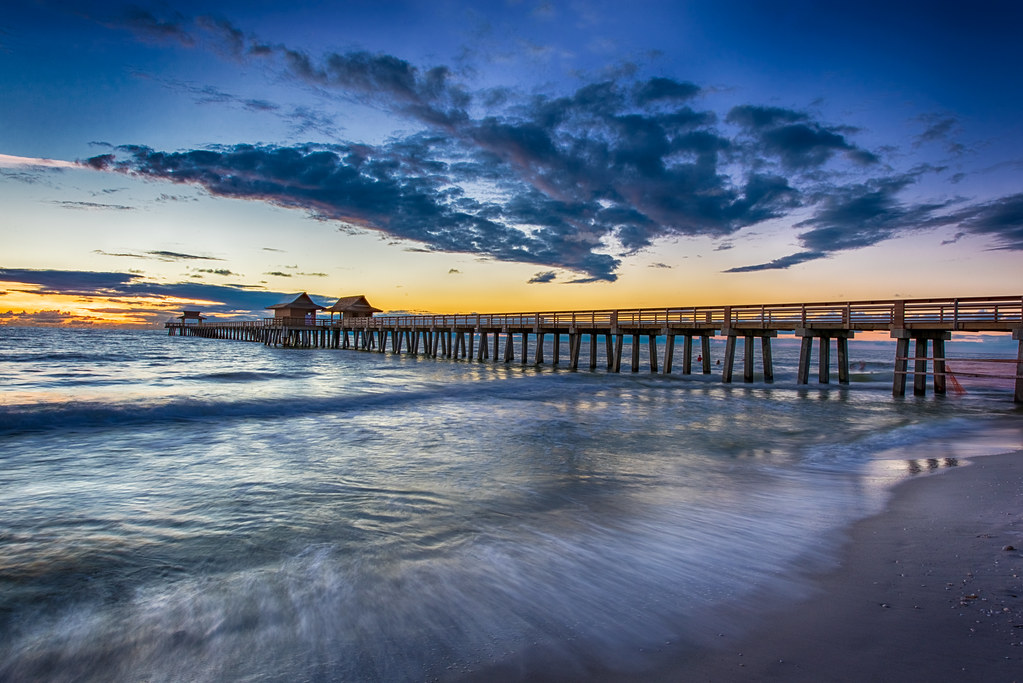
In essence, securing a piece of Florida real estate is an exciting journey that requires careful consideration of numerous factors. By understanding the diverse residential options, navigating the financial and legal frameworks, and staying informed about market dynamics, prospective buyers can confidently make a decision that aligns with their lifestyle and investment goals. This exploration provides a solid foundation for anyone looking to call Florida home.
FAQ
What are the typical property tax rates in Florida?
Property tax rates in Florida vary significantly by county, but generally, they are among the lower rates in the nation. The average effective property tax rate hovers around 1.0-1.2% of the home’s assessed value, though this can be lower or higher depending on the specific location and any special assessments.
How long does the home buying process typically take in Florida?
The timeline from offer acceptance to closing in Florida can vary, but a typical timeframe is between 30 to 60 days. This can be influenced by factors such as financing contingencies, the speed of the appraisal and inspection processes, and the availability of all parties for closing.
Are there any specific advantages to buying a new construction home in Florida?
New construction homes in Florida often come with modern designs, energy-efficient features, and the latest smart home technology. They also typically include builder warranties, offering peace of mind regarding potential repairs in the initial years of ownership.
What is the role of a real estate agent in Florida?
A qualified Florida real estate agent acts as your advocate, guiding you through the entire home buying process. They assist with property searches, negotiations, understanding contracts, coordinating inspections, and navigating the closing procedures, leveraging their local market knowledge to your advantage.