Florida homes offer a captivating blend of architectural diversity, vibrant regional markets, and significant investment potential, making them a unique and desirable real estate proposition. This exploration delves into the very essence of what makes living in the Sunshine State so appealing, from the historical influences shaping its residences to the practicalities of ownership and the sheer joy of its abundant lifestyle.
We will navigate through the distinct characteristics of Florida’s housing landscape, examining the economic forces at play and the lifestyle draws that attract residents to its varied locales. Furthermore, the financial considerations and investment opportunities inherent in Florida properties will be thoroughly dissected, alongside the crucial legal and procedural steps involved in making a purchase. Understanding the impact of Florida’s climate and environment on residential living is paramount, as is exploring the wide array of residential property types available to suit every need and preference.
Exploring the Diverse Architectural Styles of Florida Residences
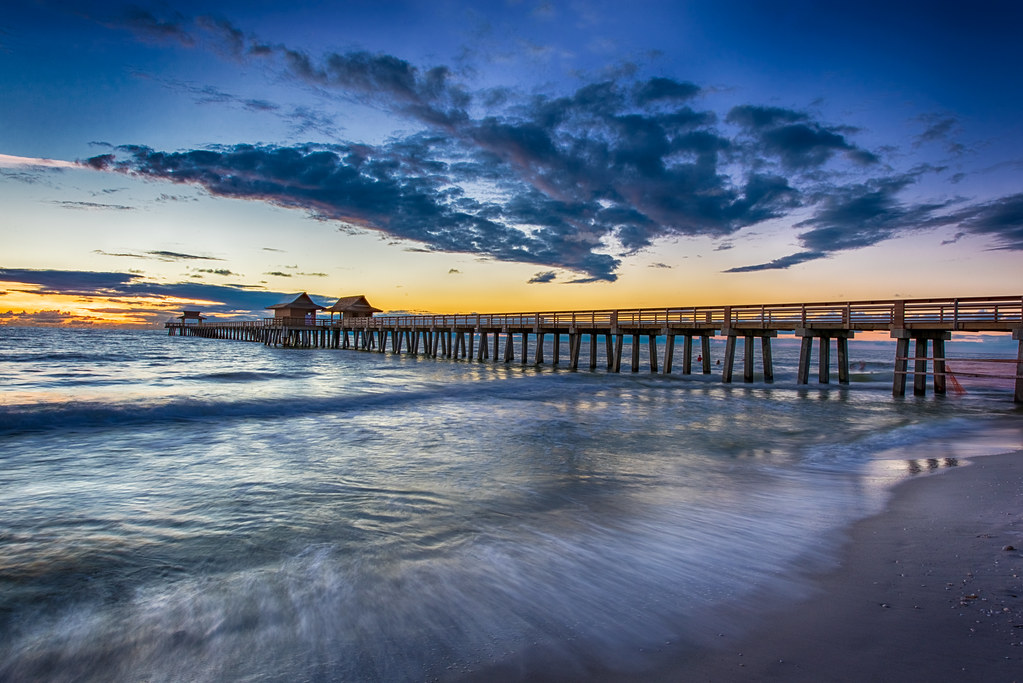
Florida’s residential architecture is a captivating tapestry woven from its rich history, subtropical climate, and evolving lifestyle needs. From the sun-drenched shores to the vibrant inland communities, homes across the Sunshine State showcase a remarkable array of styles, each telling a story of adaptation and cultural influence. Understanding these distinct architectural expressions offers a fascinating glimpse into the state’s past and present.The historical evolution of residential design in Florida is deeply intertwined with its colonial past and its subsequent development as a popular destination.
Early Spanish colonial settlements, particularly in areas like St. Augustine, laid the groundwork with practical, climate-appropriate designs. These homes, often constructed from coquina stone or stucco, featured thick walls for insulation, small windows to minimize heat gain, and red-tiled roofs to shed heavy rainfall. This emphasis on passive cooling and durability against the elements became a foundational principle that would influence subsequent architectural movements.As Florida’s population grew and its appeal broadened, new architectural trends took root.
The Art Deco movement, which experienced a significant surge in popularity during the 1920s and 1930s, left an indelible mark, especially in coastal cities like Miami Beach. This style is characterized by its bold geometric shapes, streamlined forms, and decorative motifs inspired by ancient Egypt, Cubism, and industrial design. Mid-Century Modernism, flourishing from the 1940s to the 1960s, brought a focus on clean lines, open floor plans, and integration with the natural landscape.
This era saw the rise of post-and-beam construction, large glass expanses, and the use of natural materials, all designed to maximize natural light and airflow.Climate considerations have been, and continue to be, paramount in shaping Florida’s architectural choices. The ever-present threat of hurricanes has necessitated robust construction techniques. Homes often feature reinforced concrete structures, impact-resistant windows and doors, and carefully designed rooflines that minimize wind uplift.
Passive cooling strategies are also integral, with deep overhangs to shade windows, strategic placement of trees for natural cooling, and the use of light-colored exterior materials to reflect solar radiation. The ubiquitous presence of air conditioning has also influenced design, allowing for more open interior spaces and larger windows, though the underlying principles of climate resilience remain vital.
Visual Descriptions of Florida Architectural Styles
The exterior features of Florida homes vividly express their architectural lineage, offering immediate visual cues to their style and historical context.
- Spanish Colonial: Characterized by stucco exteriors, often in white or earthy tones, with red-tiled, low-pitched roofs. Arched doorways and windows are common, along with wrought-iron details on balconies and window grilles. Small, deep-set windows are typical to keep interiors cool. Courtyards and verandas are often integrated to provide shaded outdoor living spaces.
- Art Deco: This style is defined by its dramatic, geometric forms and decorative elements. Exteriors often feature smooth stucco or concrete, accented with stylized ornamentation like chevrons, sunbursts, and stepped parapets. Flat or low-pitched roofs are common, sometimes with decorative coping. Vibrant color palettes, though often muted now, were prevalent, and rounded corners and nautical motifs add to the distinctive look.
- Mid-Century Modern: Known for its minimalist aesthetic and emphasis on horizontal lines. Exteriors typically feature a mix of materials like wood, brick, and stucco, often with large expanses of glass, including floor-to-ceiling windows and sliding glass doors. Low-pitched or flat roofs, sometimes with butterfly or cantilevered designs, are characteristic. Carports and open-air patios are common, blurring the lines between indoor and outdoor living.
Interior Layouts and Functional Spaces in Florida Homes
The interior design of Florida residences has evolved to complement their distinct architectural styles and to optimize living in a warm climate.
- Spanish Colonial: Interiors tend to be more formal and enclosed, with smaller rooms designed for privacy and heat retention. Thick walls create a sense of solidity. Exposed wooden beams on ceilings and tile flooring are common. Fireplaces, though less functional for heating, were often decorative elements.
- Art Deco: Interiors often feature a sense of glamour and dynamism. Geometric patterns are echoed in flooring, wall treatments, and decorative moldings. Built-in cabinetry and streamlined furniture were popular. Spaces were often designed to be open and airy, reflecting the optimism of the era.
- Mid-Century Modern: This style champions open-concept living. Interiors are characterized by seamless transitions between rooms, with a focus on natural light and connection to the outdoors. Large living areas, often flowing into dining and kitchen spaces, are typical. Minimalist décor, built-in furniture, and the use of natural materials like wood and stone create a sense of warmth and simplicity.
Uncover the distinct regional variations in Florida housing markets.: Florida Homes
Florida, a state renowned for its diverse geography and dynamic population growth, presents a fascinating tapestry of housing markets. These markets are not monolithic; rather, they are shaped by a confluence of economic forces, demographic shifts, and unique regional appeals. Understanding these variations is crucial for anyone looking to buy, sell, or invest in Florida real estate. From the bustling metropolises of South Florida to the tranquil shores of the Gulf Coast and the entertainment hubs of Central Florida, each region boasts its own set of influences that dictate property values, availability, and the very character of its communities.The Sunshine State’s housing landscape is a testament to its multifaceted economy and the diverse lifestyles it attracts.
Population influx, driven by job opportunities, retirement migration, and a desirable climate, directly impacts demand. Economic drivers such as tourism, a robust healthcare sector, burgeoning tech industries, and agricultural enterprises create localized employment centers, which in turn fuel housing demand and price appreciation. Conversely, regions heavily reliant on single industries can experience greater volatility. Demographic trends, including an aging population seeking warmer climes, younger families drawn by job growth, and an increasing number of international buyers, further stratify these markets, influencing the types of properties in demand and the price points at which they transact.
Economic Drivers and Demographic Trends Influencing Florida Housing
Florida’s housing markets are intrinsically linked to its economic vitality and the demographic composition of its residents. In South Florida, for instance, a thriving international finance sector, a significant tourism industry, and a robust luxury real estate market contribute to high property values. The influx of affluent retirees and international investors, particularly from Latin America and the Caribbean, fuels demand for high-end condominiums and single-family homes.
This region often sees strong appreciation driven by scarcity of land and high demand. Central Florida, on the other hand, benefits from its status as a global tourism capital, with Orlando serving as a magnet for jobs in hospitality, entertainment, and related services. This economic engine attracts a broad spectrum of residents, from young professionals to families, driving demand for a wider range of housing options, including starter homes, townhouses, and mid-range single-family residences.
The growth of the tech and aerospace sectors in areas like the Space Coast also adds to the economic diversity and housing demand. The Gulf Coast, stretching from Tampa Bay south to Naples, is characterized by its appeal to retirees and those seeking a relaxed, coastal lifestyle. The strong presence of healthcare facilities, along with a growing retirement community, underpins the demand for single-family homes, villas, and waterfront properties.
Browse the implementation of mobile homes for sale in real-world situations to understand its applications.
While often associated with a slower pace, the economic growth in areas like Tampa has diversified its appeal, attracting younger professionals and leading to increased demand for urban living options.
Property Types: Urban Centers vs. Rural and Coastal Communities
The types of properties most sought after in Florida vary significantly between its urban centers and its more rural or coastal enclaves. In the bustling urban cores of South Florida, such as Miami and Fort Lauderdale, the demand is heavily skewed towards condominiums and townhouses. These properties offer proximity to employment centers, vibrant cultural scenes, and a convenient urban lifestyle.
High-rise living, with its associated amenities like concierge services and rooftop pools, is particularly popular among young professionals and empty nesters. Conversely, in the more suburban or exurban areas surrounding these cities, and in many parts of Central Florida, single-family homes with yards remain the dominant preference for families. On the Gulf Coast, while urban centers like St. Petersburg and Sarasota offer condominium living, the appeal often extends to single-family homes, particularly those with waterfront access or within master-planned communities.
In more rural or less developed coastal areas, single-family homes, often on larger lots, are the norm, catering to those seeking privacy and a more secluded lifestyle. The availability of land also plays a crucial role; in land-constrained urban areas, vertical development (condos and townhouses) is more prevalent, while in less developed regions, horizontal expansion with single-family homes is more common.
Lifestyle Appeals and Community Characteristics in Florida Geographies
Florida’s diverse geographic pockets offer distinct lifestyle appeals that shape their housing markets. South Florida, particularly areas like Miami, is synonymous with a vibrant, cosmopolitan lifestyle, characterized by world-class dining, high-fashion shopping, a thriving arts and culture scene, and proximity to international travel hubs. Communities here often feature a mix of luxury high-rises and exclusive enclaves, attracting a global clientele.
The Gulf Coast, conversely, embodies a more relaxed, laid-back atmosphere. Communities along this coast, from Clearwater to Naples, are defined by their pristine beaches, abundant golf courses, and a strong emphasis on outdoor recreation. This region is a perennial favorite for retirees and those seeking a tranquil escape. Central Florida, anchored by Orlando, offers a unique blend of family-friendly entertainment, a growing job market in diverse sectors, and a more inland, yet still accessible, lifestyle.
Communities here often center around master-planned developments with extensive amenities, catering to families looking for an active and engaging environment. The Space Coast, with its proximity to Kennedy Space Center and a burgeoning tech industry, attracts a workforce with a focus on innovation and science, fostering a community spirit around these industries.
Typical Property Amenities and Community Features
Across Florida’s varied locales, certain property amenities and community features are consistently sought after, though their emphasis can shift regionally. In South Florida’s urban centers, luxury condominiums often boast resort-style amenities such as expansive swimming pools, fitness centers, spas, private balconies with ocean or city views, and 24-hour concierge services. Community features include proximity to dining, entertainment, and cultural attractions, as well as gated entrances for security.
On the Gulf Coast, single-family homes and villas frequently feature private docks, boat slips, swimming pools, and outdoor living spaces designed to take advantage of the coastal climate. Master-planned communities are common, offering shared amenities like clubhouses, golf courses, tennis courts, and walking trails, fostering a strong sense of community among residents. Central Florida’s family-oriented communities often highlight amenities such as community pools, playgrounds, parks, and sports facilities.
Single-family homes here may feature larger yards, screened-in porches, and proximity to highly-rated school districts. In more rural or secluded areas, the emphasis shifts towards privacy, with larger lot sizes, natural landscaping, and fewer shared amenities, catering to those who value tranquility and connection with nature.
Delve into the financial considerations and investment potential of Florida properties.
Navigating the financial landscape of purchasing a home in Florida involves understanding current market dynamics, the true cost of ownership, and the long-term investment outlook. For many, a Florida property represents not just a place to live but a significant financial asset, and a thorough grasp of these elements is crucial for making informed decisions. This section aims to demystify these financial aspects, providing clarity for potential buyers and investors alike.The Florida real estate market is currently characterized by a dynamic interplay of supply and demand, influenced heavily by economic factors such as interest rates and broader affordability metrics.
While demand for Florida homes remains robust, driven by its appeal as a retirement destination, vacation spot, and growing economic hub, rising interest rates have introduced a significant affordability challenge for many prospective buyers. The impact of interest rates on monthly mortgage payments cannot be overstated; even a modest increase can add hundreds of dollars to a buyer’s outgoing expenses, thereby reducing their purchasing power.
Affordability metrics, which typically compare median home prices to median incomes, reveal varying levels of accessibility across different Florida regions. Coastal areas and popular metropolitan centers often present higher price points, making it more challenging for first-time homebuyers or those on a tighter budget to enter the market. However, more inland communities or less developed regions might offer more accessible price points, albeit with different lifestyle and amenity considerations.
Costs Associated with Florida Homeownership
Beyond the initial purchase price and the monthly mortgage payment, owning a home in Florida entails a range of recurring and potential expenses that prospective buyers must factor into their financial planning. These costs can significantly impact the overall affordability and ongoing financial commitment of homeownership.A detailed breakdown of these costs includes:
- Property Taxes: Florida’s property taxes are generally based on the assessed value of the property and local millage rates, which vary by county and municipality. While Florida does not have a state income tax, property taxes often form a significant portion of local government funding. The assessment process and potential exemptions, such as homestead exemptions for primary residences, can influence the final tax bill.
- Homeowners Insurance Premiums: This is a critical and often substantial expense in Florida due to the state’s susceptibility to hurricanes and other severe weather events. Premiums are influenced by factors such as the property’s location (flood zones), age and construction type, elevation, and the presence of hurricane mitigation features like impact-resistant windows. Obtaining adequate coverage is paramount for protecting a significant investment.
- Flood Insurance: In many coastal and low-lying areas, standard homeowners insurance does not cover flood damage. Therefore, purchasing separate flood insurance, often through the National Flood Insurance Program (NFIP) or private insurers, becomes a necessary additional cost.
- Homeowners Association (HOA) Fees: Many communities in Florida, particularly those with shared amenities like pools, clubhouses, or maintained landscaping, have HOAs. These associations charge regular fees to cover the upkeep and management of these common areas. HOA fees can range from modest to quite substantial and are an essential part of the monthly or annual budget for homeowners in such communities.
- Maintenance and Repairs: Like any property, a Florida home will require ongoing maintenance and occasional repairs. Factors like the humid climate and intense sun can accelerate wear and tear on certain components, necessitating regular upkeep to preserve the property’s value and functionality.
Long-Term Appreciation and Rental Income Potential
Florida real estate has historically demonstrated strong potential for long-term appreciation, making it an attractive option for investors. The state’s consistent population growth, driven by migration from other states and international buyers, fuels demand for both residential and rental properties. This sustained demand, coupled with limited land availability in desirable coastal areas, can contribute to property values increasing over time.For investors looking to generate passive income, rental opportunities in Florida are diverse and often lucrative.
Popular tourist destinations, cities with thriving job markets, and areas attracting retirees can offer high occupancy rates and competitive rental yields. Short-term rentals, particularly in tourist hotspots, can provide significant income potential, though they also come with higher management demands and regulatory considerations. Long-term rentals, while generally offering more stable income, are also influenced by local employment trends and population demographics.
The potential for rental income, combined with property appreciation, forms the dual pillars of investment potential in Florida real estate.
The combination of steady population influx and desirable lifestyle amenities positions Florida as a consistently attractive market for real estate investment, offering both capital growth and income generation opportunities.
Hypothetical Financial Planning for a First-Time Homebuyer in Miami-Dade County
Consider a hypothetical first-time homebuyer aiming to purchase a condo in a desirable area of Miami-Dade County. Let’s assume a target property price of $400,000.The financial planning would involve several key steps:
- Down Payment: A common goal for first-time buyers is to put down 20% to avoid private mortgage insurance (PMI), which would be $80,000 in this scenario. However, many loan programs allow for lower down payments (e.g., 3.5% for FHA loans or 5% for conventional loans), significantly reducing the upfront cash requirement. For a 5% down payment, this would be $20,000.
- Closing Costs: These typically range from 2% to 5% of the loan amount. For a $400,000 property with a 5% down payment ($380,000 loan), closing costs could be between $7,600 and $19,000. This includes appraisal fees, title insurance, lender fees, recording fees, and pre-paid items like property taxes and insurance.
- Mortgage Qualification: The buyer would need to qualify for a mortgage. Assuming a 30-year fixed-rate mortgage at 7% interest (illustrative), on a $380,000 loan, the principal and interest payment would be approximately $2,528 per month.
- Ongoing Monthly Expenses: In addition to the mortgage, the buyer must account for:
- HOA Fees: For a condo in Miami-Dade, these can range from $400 to $800+ per month, covering building maintenance, amenities, and master insurance. Let’s estimate $600.
- Property Taxes: For a $400,000 property, assuming a millage rate and homestead exemption, annual taxes might be around $5,000-$6,000, translating to roughly $417-$500 per month.
- Homeowners Insurance: For a condo, this is often part of the HOA master policy, but the buyer will need interior coverage, potentially costing $50-$100 per month.
- Flood Insurance: If applicable, this could add another $50-$200 per month.
- Total Estimated Monthly Housing Cost: Adding these figures: $2,528 (P&I) + $600 (HOA) + $450 (Property Tax estimate) + $75 (Homeowners Insurance) + $100 (Flood Insurance estimate) = approximately $3,753 per month.
This hypothetical scenario highlights the importance of not only saving for a down payment but also having sufficient funds for closing costs and a clear understanding of all recurring monthly expenses to ensure the purchase is financially sustainable in a competitive market like Miami-Dade.
Investigating the Lifestyle and Community Aspects of Florida Homes
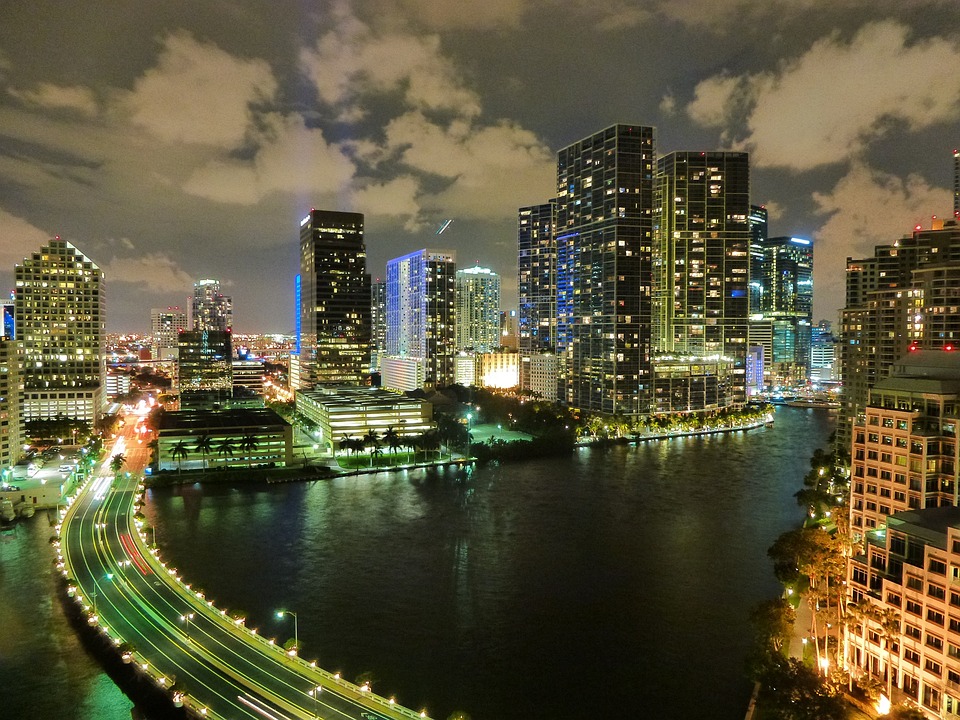
Living in Florida offers a lifestyle that is as diverse as its stunning landscapes, drawing residents with promises of sunshine, abundant recreation, and a unique sense of community. Beyond the attractive property markets and architectural styles, the heart of Florida living lies in the experiences and connections it fosters. From vibrant city centers to tranquil coastal towns, each community offers a distinct flavor, shaped by its natural surroundings and the people who call it home.
Understanding these lifestyle and community aspects is crucial for anyone considering making Florida their permanent residence or a cherished vacation destination.The Sunshine State is renowned for its exceptional quality of life, largely due to the integration of outdoor living and a relaxed pace into the daily routines of its residents. This emphasis on leisure and connection is palpable in the various neighborhoods and developments that dot the state, each contributing to the overall allure of Florida as a place to live, work, and play.
The proximity to natural beauty is not just a visual amenity; it actively shapes how Floridians spend their time, fostering a deep appreciation for the environment and encouraging active participation in community life.
Recreational Activities and Cultural Attractions in Florida Communities
Florida’s diverse communities are a treasure trove of recreational activities and cultural attractions, catering to a wide spectrum of interests and contributing significantly to the desirability of different regions. Along the coasts, water-centric activities are paramount. Residents can enjoy world-class surfing, paddleboarding, kayaking through mangrove tunnels, and deep-sea fishing. The Gulf Coast, with its calm, clear waters, is ideal for boating and shelling, while the Atlantic Coast offers more dynamic waves for surfers.
Beyond the water, state and national parks abound, providing opportunities for hiking, birdwatching, and exploring unique ecosystems like the Everglades, a UNESCO World Heritage Site. Cultural hubs like Miami boast a vibrant arts scene with galleries, live music venues, and renowned museums, while cities like Orlando are synonymous with family entertainment and theme parks. Smaller towns often celebrate their heritage with local festivals, farmers’ markets, and historical reenactments, fostering a strong sense of local pride and offering authentic cultural experiences.
Typical Neighborhood Environments and Social Dynamics, Florida homes
The typical neighborhood environments in Florida housing developments vary greatly, reflecting the state’s diverse population and geography. Coastal communities often feature a mix of single-family homes, condominiums, and villas, with a strong emphasis on outdoor living spaces like lanais and screened-in patios. These areas tend to foster a relaxed, social atmosphere, with neighbors frequently gathering for impromptu cookouts or community events centered around the beach or local parks.
Inland communities, particularly in the rapidly growing central and western parts of the state, may showcase master-planned developments with amenities such as community pools, clubhouses, and walking trails. These planned communities often have active homeowners’ associations that organize social events, fostering a close-knit environment. In more established neighborhoods, social dynamics might revolve around local schools, places of worship, or shared hobbies, creating a strong sense of belonging.
The presence of a significant retiree population in many areas also contributes to a culture of community involvement and shared activities, from golf leagues to book clubs.
Proximity to Natural Amenities and Daily Life Influence
The unparalleled proximity to natural amenities profoundly influences the daily life of Florida homeowners. Waking up to the sound of waves or the sight of palm trees swaying outside your window is a common reality. For many, a morning jog on the beach or an evening paddle on a calm bay is a regular part of their routine. This constant connection to nature encourages an active lifestyle, reducing reliance on indoor entertainment and promoting physical well-being.
The abundance of parks and nature preserves means that spontaneous outdoor adventures are always within reach, whether it’s a family picnic, a bike ride, or simply a quiet moment of reflection surrounded by natural beauty. Waterways, from tranquil lakes to the vast ocean, serve as both recreational playgrounds and scenic backdrops, shaping everything from property values to the types of homes built.
This deep integration of nature into daily life contributes to a less stressful, more fulfilling existence for many Florida residents.
A Typical Week for a Florida Family
Imagine a typical week for the Miller family, who reside in a coastal community near Sarasota. Their week begins on Monday with a quick swim at the community pool after school, followed by homework. Tuesday evening involves a neighborhood potluck at the clubhouse, a regular event that allows them to catch up with friends and meet new families. On Wednesday, the kids participate in a junior sailing program at the local yacht club, while Mrs.
Miller heads to a yoga class on the beach. Thursday is reserved for a family bike ride along the scenic coastal trail, often culminating in watching the sunset over the Gulf of Mexico. Friday night might be a casual dinner at a beachfront restaurant or a movie night at home. Saturday is dedicated to adventure: perhaps a boat trip to a nearby island for snorkeling or a visit to a local farmers’ market to pick up fresh produce for the week.
Sunday often involves attending church in the morning, followed by a relaxed afternoon of gardening or visiting a local park for a picnic, reflecting the easy-going, nature-infused lifestyle that defines their Florida home.
Understand the impact of Florida’s climate and environment on residential living.
Florida’s unique climate and environment present distinct considerations for homeowners, shaping everything from construction choices to daily living habits. The Sunshine State’s tropical and subtropical weather patterns necessitate a proactive approach to homeownership, ensuring comfort, safety, and longevity of the property. Understanding these environmental factors is crucial for anyone considering or currently residing in Florida.The state’s geography, bordered by the Atlantic Ocean and the Gulf of Mexico, contributes to its signature weather.
This proximity to water bodies significantly influences temperature, humidity, and precipitation levels, creating a living environment that is both desirable and challenging. Adapting to these conditions is key to maximizing the enjoyment and minimizing the potential drawbacks of Florida living.
Environmental Factors Affecting Florida Homes
Florida homeowners must contend with a unique set of environmental factors that directly impact their properties and daily lives. The pervasive humidity, for instance, can lead to issues with mold and mildew growth if not properly managed, affecting indoor air quality and potentially damaging building materials. High moisture levels also necessitate specific choices in ventilation and building materials to prevent long-term deterioration.Flooding is another significant concern, particularly in coastal areas and low-lying inland regions.
Heavy rainfall, storm surges associated with hurricanes, and rising sea levels all contribute to the risk of inundation. This necessitates careful site selection, elevation considerations during construction, and appropriate drainage solutions to protect homes from water damage.Pest control is an ongoing battle in Florida due to the warm, humid climate that provides an ideal breeding ground for a variety of insects and other pests.
Termites, mosquitoes, ants, and rodents are common challenges that require consistent preventative measures and effective treatment strategies to safeguard the home and its occupants.
Building Codes and Disaster Mitigation
Florida has developed robust building codes and regulations specifically designed to protect residences from the severe impacts of natural disasters, most notably hurricanes and tropical storms. These codes are regularly updated to incorporate lessons learned from past storm events and advancements in construction technology.The Florida Building Code mandates stringent requirements for structural integrity, including wind-resistance standards for roofs, windows, doors, and garage doors.
Check what professionals state about Cheap Mobile Homes for Sale in Palm Beach County and its benefits for the industry.
For example, windows and doors are often required to be impact-resistant, capable of withstanding the force of wind-borne debris. Roof coverings must be installed to withstand high winds, and structural connections between the roof and walls, and walls and foundations, are reinforced.
The Florida Building Code is a performance-based code, meaning it sets standards for how a building must perform under specific conditions, rather than dictating exact materials or methods. This allows for innovation while ensuring safety.
Beyond structural requirements, codes also address flood resistance, particularly in designated flood zones. This can include requirements for elevated foundations, flood vents in lower levels, and the use of water-resistant materials in areas susceptible to inundation. Regular inspections and adherence to these codes are paramount for ensuring that homes are built to withstand Florida’s formidable weather.
Sustainable Living and Energy Efficiency
In response to environmental concerns and the desire for cost savings, sustainable living practices and energy-efficient features are becoming increasingly important for Florida residents. The state’s abundant sunshine presents a prime opportunity for solar energy utilization, with many homeowners investing in solar panels to reduce their reliance on the grid and lower electricity bills.Energy-efficient appliances, high-performance insulation, and well-sealed windows and doors are also critical for maintaining comfortable indoor temperatures while minimizing energy consumption.
Obtain recommendations related to homes mobile homes that can assist you today.
The significant cooling demands in Florida’s climate make these features not only environmentally responsible but also financially beneficial over the long term.
Investing in energy-efficient upgrades can significantly reduce monthly utility costs, especially during the peak summer months when air conditioning usage is at its highest.
Water conservation is another key aspect of sustainable living in Florida. Practices such as rainwater harvesting for irrigation, using low-flow fixtures, and xeriscaping (landscaping with drought-tolerant plants) help to reduce water usage, which is particularly important during drier periods.
Integrating Natural Beauty into Residential Design
Florida’s stunning natural landscapes offer unparalleled opportunities to integrate the outdoors into the design and enjoyment of residential properties. From the vibrant hues of tropical flora to the tranquil vistas of waterways and coastlines, these elements can significantly enhance the living experience.Open-concept floor plans and large windows are popular design choices that maximize natural light and offer seamless transitions between indoor and outdoor living spaces.
Covered patios, screened lanais, and outdoor kitchens allow residents to comfortably enjoy the balmy climate and the surrounding natural beauty year-round.The use of native plants in landscaping not only reduces the need for irrigation but also attracts local wildlife, creating a more biodiverse and aesthetically pleasing environment. Water features, such as fountains or small ponds, can further enhance the sense of tranquility and bring the soothing sounds of nature closer to home.
Even small balconies or patios can be transformed into lush oases with carefully selected potted plants and comfortable seating, allowing residents to connect with Florida’s natural charm.
Explore the diverse types of residential properties available in Florida.

Florida’s real estate market is as vibrant and varied as its landscapes, offering a wide spectrum of residential property types to suit every lifestyle and budget. From the classic single-family home to the low-maintenance condominium, the charming townhouse, and the luxurious villa, prospective buyers have a wealth of choices. Understanding the nuances of each property type is crucial for making an informed decision that aligns with individual needs and long-term goals.
This exploration delves into the distinct characteristics, advantages, disadvantages, and target demographics of these popular Florida residences.The Sunshine State’s housing market is shaped by its diverse population, popular tourist destinations, and retirement communities, all of which influence the types of homes that are in demand. Whether you’re seeking a permanent residence, a vacation getaway, or an investment property, each housing option presents a unique set of benefits and considerations.
The following sections will break down these options to help clarify which might be the best fit for your Florida living dream.
Single-Family Homes
Single-family homes represent the traditional cornerstone of homeownership and are abundant across Florida. These detached residences are situated on their own plots of land, offering the utmost in privacy and control. Owners typically have full responsibility for the property, including the house itself, the yard, and any exterior structures. This autonomy allows for extensive customization, from landscaping choices to home renovations, making them ideal for those who value independence and the ability to personalize their living space.The advantages of single-family homes are numerous.
They provide a sense of permanence and a private sanctuary, free from the shared walls and common areas often found in other property types. Families often gravitate towards them for the extra space, yards for children and pets, and the ability to host gatherings without restriction. Furthermore, the equity built in a single-family home can be a significant long-term investment.
However, this independence comes with responsibilities. Maintenance can be time-consuming and costly, encompassing everything from lawn care and pool upkeep to roof repairs and HVAC servicing. Property taxes and insurance premiums are also generally higher for single-family homes due to their size and independent nature. The target demographic for single-family homes is broad, encompassing families, retirees seeking a private retreat, and individuals who desire a traditional ownership experience with ample personal space.
Condominiums
Condominiums, or condos, offer a lifestyle that emphasizes convenience and community living. In a condo, you own the interior space of your unit, while the building’s common areas, such as hallways, lobbies, amenities, and the exterior structure, are owned collectively by all residents and managed by a homeowners’ association (HOA). This shared ownership model means that residents pay monthly HOA fees, which cover the maintenance of common areas, landscaping, security, and often amenities like pools, fitness centers, and clubhouses.The primary advantage of condo living is the reduced maintenance burden.
The HOA handles most exterior upkeep, freeing up residents’ time and finances for other pursuits. This makes condos particularly attractive to busy professionals, frequent travelers, and retirees who prefer not to deal with the upkeep of a traditional home. The communal amenities also provide built-in recreational and social opportunities. On the downside, condo living involves less privacy due to shared walls and common spaces, and residents must adhere to HOA rules and regulations, which can restrict personal modifications or lifestyle choices.
HOA fees can also be a significant ongoing expense, and special assessments for major repairs can arise unexpectedly. Condos appeal strongly to individuals and couples seeking a low-maintenance lifestyle, often found in urban centers, beachfront areas, and active adult communities.
Townhouses
Townhouses bridge the gap between single-family homes and condominiums, offering a hybrid living experience. These homes are typically attached in rows, sharing side walls with neighboring units, but they usually come with their own private entrance and often a small private outdoor space, such as a patio or a small yard. Like condos, townhouses often fall under an HOA, which manages exterior maintenance and common areas, with associated fees.The appeal of townhouses lies in their balance of privacy and convenience.
They offer more living space and a greater sense of individual ownership than many condos, without the extensive maintenance demands of a single-family home. Many townhouses feature multiple stories, providing distinct living and sleeping areas. They are a popular choice for young families, professionals, and individuals who want a home that feels more substantial than a condo but still benefits from managed exterior care.
The disadvantages can include less privacy than a single-family home due to shared walls and potentially smaller yards. The HOA fees and rules also apply, similar to condos. Townhouses are often found in well-established neighborhoods and new developments, catering to a demographic that seeks a comfortable, community-oriented living environment with manageable upkeep.
Villas
Villas in Florida often evoke images of luxury and exclusivity, typically referring to detached or semi-detached homes that are often part of a larger resort-style community or a private enclave. While the term can sometimes overlap with single-family homes, villas frequently emphasize upscale amenities, sophisticated design, and a lifestyle focused on leisure and relaxation. They may offer private pools, expansive patios, and premium finishes.The main draw of a villa is the enhanced lifestyle it provides, often coupled with the benefits of a managed community.
Many villas are located within master-planned communities that offer access to golf courses, private clubs, concierge services, and high-level security. This offers a resort-like living experience year-round. Maintenance, while still a responsibility for the owner, can sometimes be more streamlined, especially if managed by a community association or a dedicated service. The disadvantages can include a higher price point and potentially higher associated fees for community services and amenities.
The target demographic for villas includes affluent individuals, retirees seeking a high-end lifestyle, and investors looking for premium vacation rental properties.
Comparison of Florida Residential Options
The choice among these property types is deeply personal and depends on individual priorities.
| Property Type | Key Features | Typical Price Range (USD) | Lifestyle Suitability |
|---|---|---|---|
| Single-Family Home | Detached, private yard, full ownership and control. | $300,000 – $2,000,000+ | Families, individuals seeking privacy, customization, and long-term investment. |
| Condominium | Owned interior unit, shared common areas, HOA managed, amenities. | $150,000 – $1,000,000+ | Singles, couples, retirees, frequent travelers, those prioritizing low maintenance and community living. |
| Townhouse | Attached units, shared walls, private entrance, often HOA managed, small private outdoor space. | $250,000 – $750,000+ | Young families, professionals, individuals seeking a balance between homeownership and managed upkeep. |
| Villa | Upscale detached or semi-detached, often in resort-style communities, premium amenities, luxury focus. | $500,000 – $5,000,000+ | Affluent buyers, those seeking a luxury lifestyle, retirees, investors in high-end vacation rentals. |
Conclusion
In essence, Florida homes represent more than just a place to live; they embody a lifestyle, an investment, and a connection to a unique environment. From the sun-drenched beaches to the bustling city centers, the state offers a diverse range of residential experiences. Whether you are drawn by the architectural charm, the economic opportunities, the vibrant communities, or the promise of a relaxed lifestyle, navigating the Florida real estate market requires a comprehensive understanding of its many facets.
By considering the architectural nuances, regional variations, financial implications, lifestyle benefits, legal processes, and environmental factors, prospective homeowners and investors can make informed decisions to find their perfect piece of paradise in the Sunshine State.
Frequently Asked Questions
What are the typical property taxes in Florida?
Property taxes in Florida vary significantly by county and municipality, but they are generally based on the assessed value of the property and local millage rates. Homeowners can often benefit from homestead exemptions, which can reduce the taxable value of their primary residence.
How does the hurricane season affect home insurance in Florida?
Hurricane season, typically from June 1st to November 30th, significantly impacts home insurance premiums in Florida. Due to the increased risk of tropical storms and hurricanes, insurance costs can be higher, and specific hurricane deductibles may apply. It is crucial to understand your policy’s coverage for wind damage and storm surge.
Are there any special programs for first-time homebuyers in Florida?
Yes, Florida offers various programs to assist first-time homebuyers, often in the form of down payment assistance or low-interest loans. These programs are typically administered by state and local housing finance authorities and may have income and purchase price limitations.
What is the average cost of homeowner association (HOA) fees in Florida?
HOA fees in Florida can range widely depending on the type of property and the amenities offered. Condominiums and townhouses often have higher fees than single-family homes in gated communities, as these fees typically cover maintenance of common areas, amenities like pools and gyms, and sometimes utilities or cable services.
How does the cost of living compare across different regions in Florida?
The cost of living in Florida varies considerably by region. Major metropolitan areas like Miami and parts of South Florida tend to be more expensive, especially concerning housing. Central Florida, including areas around Orlando, and some Gulf Coast cities offer a slightly lower cost of living, while more rural or less developed areas may be more affordable.