Homes mobile homes sets the stage for this enthralling narrative, offering readers a glimpse into a story that is rich in detail with casual formal language style and brimming with originality from the outset. This exploration delves into the multifaceted world of manufactured housing, dissecting its unique construction, financial implications, community living, design innovations, and essential legal considerations. Prepare to uncover the distinct characteristics that set these residences apart from traditional site-built homes, and understand their growing significance in the modern housing market.
We will navigate through the intricate details of what makes manufactured homes a compelling housing solution. From the foundational differences in their build and the regulatory landscapes they inhabit, to their long-term value and energy efficiency, a clear picture will emerge. Furthermore, the financial aspects, including diverse financing options and market trends, will be illuminated, providing a solid understanding of their investment potential.
The vibrant lifestyle and community structures often associated with manufactured home living will also be explored, offering a glimpse into the social fabric of these residences. Finally, we will examine the cutting-edge designs and customization possibilities, alongside the crucial legal protections available to buyers, ensuring a well-rounded perspective on this dynamic sector of the housing industry.
Unveiling the Distinct Characteristics That Differentiate Manufactured Homes from Traditional Site-Built Residences
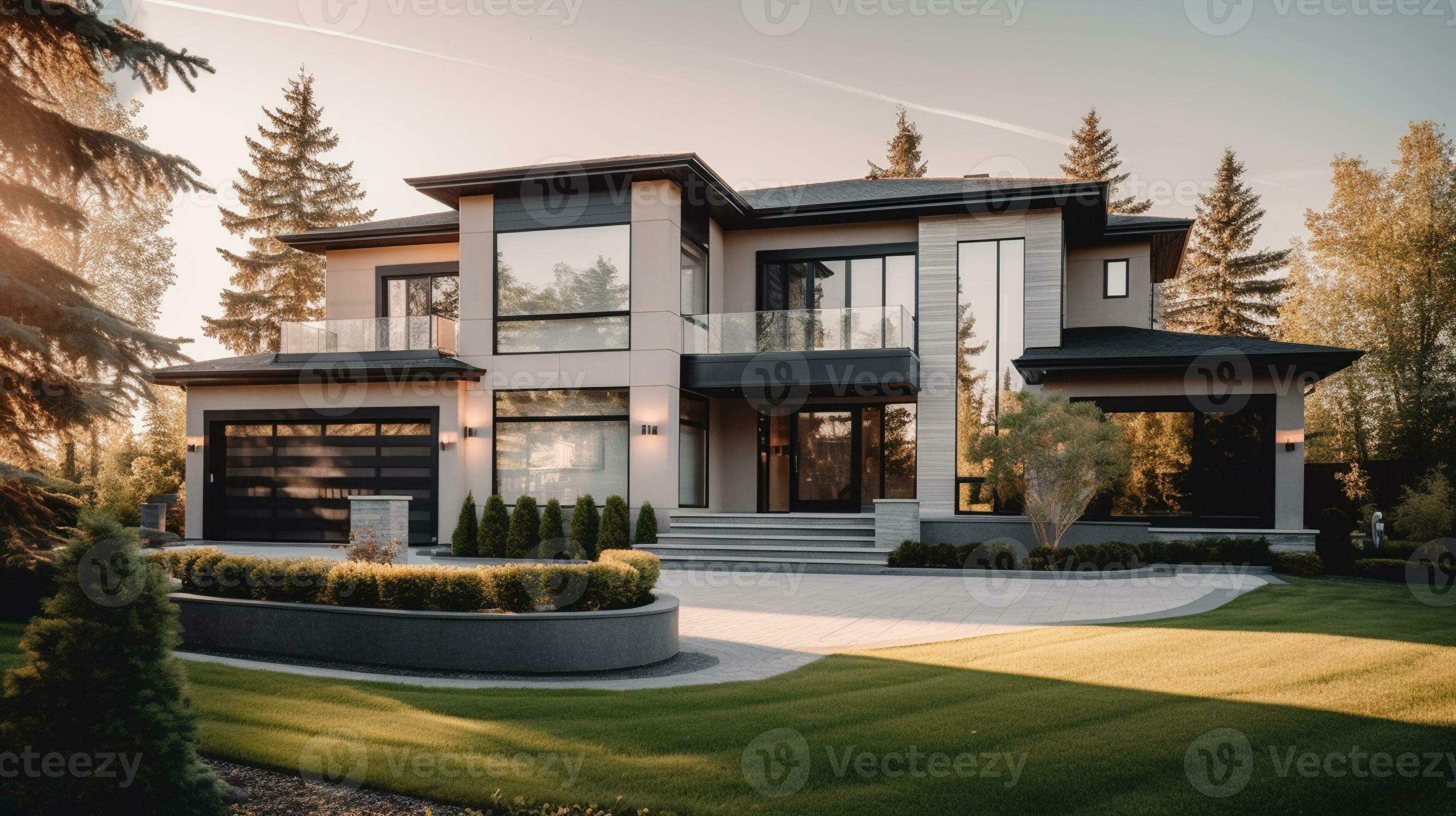
While both manufactured homes and traditional site-built residences offer shelter, their fundamental construction, regulatory environments, and long-term considerations present significant differences. Understanding these distinctions is crucial for potential buyers and owners to make informed decisions. Manufactured homes, often colloquially referred to as mobile homes, are constructed in controlled factory environments, allowing for precision and efficiency, whereas site-built homes are assembled piece by piece on their permanent foundation.
This core difference in the building process leads to a cascade of other unique characteristics that set them apart.The divergence begins at the most basic level of construction. Site-built homes are erected directly on-site, with materials like lumber, concrete, and roofing shingles brought to the location and assembled by various tradespeople. This process is subject to on-site weather conditions, which can lead to delays and variations in quality.
Manufactured homes, conversely, are built indoors on assembly lines. This controlled environment ensures consistent quality, protection from the elements during construction, and optimized material usage. The chassis and steel frame, integral to a manufactured home’s structure, are built into the home itself, providing mobility before it’s placed on its foundation. Materials used in manufactured homes are often engineered for weight and durability, considering transportability, while site-built homes can utilize a wider range of heavier, traditional building materials without the same transport constraints.
Fundamental Construction Differences: Materials, Assembly, and Structural Integrity
The construction of manufactured homes and traditional site-built homes differs significantly in materials, assembly processes, and the resulting structural integrity. Manufactured homes are built to a federal standard, the HUD Code, which dictates design and construction requirements. This code ensures minimum standards for safety and durability, including structural integrity, fire resistance, and energy efficiency. Homes are built on a steel frame, which is an integral part of the structure and designed to withstand the stresses of transportation.
Materials are often chosen for their durability and lighter weight to facilitate transport. Assembly takes place in a climate-controlled factory, allowing for precise construction techniques and minimizing waste. Sections of the home are built and then transported to the site for final assembly and connection.In contrast, site-built homes are constructed piece by piece on-site, following local building codes. This allows for greater customization and the use of a wider array of materials, including heavier, more traditional options like brick or stone.
The assembly process involves multiple specialized trades working sequentially, which can be influenced by weather and site conditions. The foundation is typically a poured concrete slab, basement, or crawl space, and the structure is built directly upon it. Structural integrity in site-built homes relies on the interplay of the foundation, framing, and the building envelope. While both types of homes are designed to be safe and durable, the factory-controlled environment of manufactured homes generally leads to a higher degree of uniformity and quality control in their construction.
Regulatory Frameworks and Zoning Considerations
The regulatory and zoning landscape for manufactured homes is distinct from that of traditional site-built residences, significantly impacting their placement and ownership. Manufactured homes are regulated by the U.S. Department of Housing and Urban Development (HUD) through the Federal Manufactured Home Construction and Safety Standards Code. This federal standard preempts local building codes for the construction of the home itself, ensuring a baseline level of quality and safety nationwide.
However, once a manufactured home is placed on land, it becomes subject to local zoning ordinances and land-use regulations. These can vary widely, with some municipalities having specific zones for manufactured housing, while others may restrict their placement to certain areas or require them to meet specific aesthetic standards to blend in with surrounding neighborhoods.Site-built homes, on the other hand, are governed by local building codes, which are typically adopted from international model codes with local amendments.
These codes address all aspects of construction, from foundation to roofing, and are enforced through a system of permits and inspections at various stages of construction. Zoning for site-built homes is generally more permissive, allowing for single-family dwellings in most residential zones, though lot size, setbacks, and architectural styles may be regulated. The ownership of a manufactured home can also be unique.
Some owners purchase the home and rent the land it sits on (often in a manufactured home community), while others own both the home and the land. This contrasts with site-built homes, where ownership typically encompasses both the structure and the land it occupies. This difference in land tenure can affect financing, property taxes, and the overall investment picture.
Typical Lifespan and Maintenance Requirements
The typical lifespan and maintenance requirements of manufactured homes and traditional site-built homes present a comparative perspective on their long-term value. With proper care and maintenance, a manufactured home can last for 30 to 55 years, and in some cases, even longer. Their construction in a controlled factory environment often leads to robust build quality. However, their lifespan is also influenced by the quality of the installation, the type of foundation, and the ongoing maintenance of both the home and its systems.
Regular inspections of the roof, siding, plumbing, and electrical systems are crucial. Exterior maintenance, such as repainting or resealing siding, and interior upkeep, like servicing HVAC units and checking for leaks, are vital to prolonging the life of the home.Traditional site-built homes, when well-maintained, can have a lifespan of 50 to 100 years or even more. The use of more robust, traditional building materials and the direct construction on a permanent foundation often contribute to their longevity.
However, their extended lifespan also means a potentially higher long-term maintenance investment. Older site-built homes may require significant upgrades to plumbing, electrical, and insulation systems to meet modern standards. Routine maintenance for site-built homes includes everything from roof repairs and gutter cleaning to foundation checks and pest control. The key difference lies in the materials and the initial construction method; while manufactured homes are designed for efficiency and transportability, site-built homes are often constructed with materials intended for maximum longevity on a permanent site, though this can come with higher initial and ongoing costs.
Comparative Analysis of Energy Efficiency and Insulation Standards
Modern manufactured homes often boast impressive energy efficiency and insulation standards, frequently rivaling or even surpassing those found in older traditional homes, and in many cases, meeting or exceeding current energy codes for new site-built construction. The HUD Code, which governs manufactured home construction, includes specific energy efficiency standards for insulation, windows, and heating and cooling systems. Manufacturers are incentivized to optimize these aspects due to the factory setting, which allows for precise installation of insulation and efficient sealing of the building envelope.
Typical R-values for walls in modern manufactured homes can range from R-11 to R-21, while ceilings might see R-values between R-30 and R-49, and floors between R-19 and R-30. This is often achieved through the use of advanced insulation materials like fiberglass batts, rigid foam, or spray foam, and by designing the home’s structure to accommodate thicker insulation.In contrast, older site-built homes, particularly those built before the 1980s, often have significantly lower R-values and less effective insulation.
Walls might have R-values as low as R-3 to R-7, with minimal insulation in attics and floors. This can lead to substantial heat loss in winter and heat gain in summer, resulting in higher energy bills and a less comfortable living environment. Newer site-built homes, constructed to current energy codes, generally have much improved insulation levels, often comparable to or exceeding those in modern manufactured homes, with R-values in walls ranging from R-13 to R-21, attics from R-38 to R-60, and floors from R-19 to R-30.
HVAC considerations also play a role. Manufactured homes often utilize energy-efficient, factory-installed heating and cooling systems, such as high-efficiency furnaces or heat pumps, designed to work optimally with the home’s specific insulation and sealing. While site-built homes also offer a wide range of HVAC options, the integrated approach in manufactured homes can lead to a more cohesive and efficient energy performance from the outset.
Exploring the financial landscape and investment potential surrounding mobile homes as a housing solution.
The financial aspects of mobile homes, often referred to as manufactured homes, present a unique and accessible pathway to homeownership. Understanding the financing, market trends, and associated costs is crucial for prospective buyers and investors alike. This section delves into these key financial considerations, offering a clear picture of their viability as an asset.Manufactured homes offer a distinct financial profile compared to traditional site-built houses, primarily due to differences in financing, depreciation, and market dynamics.
These distinctions can translate into significant advantages for those seeking more affordable housing options or a different investment strategy.
Financing Options for Manufactured Homes
Securing financing for a manufactured home involves a slightly different process than for a traditional mortgage, with several avenues available to prospective buyers. The choice of financing often depends on whether the home is considered personal property or real estate, which is determined by whether it is permanently affixed to land owned by the homeowner.
- Personal Property Loans (Chattel Loans): When a manufactured home is not permanently attached to land owned by the buyer, it is typically financed as personal property. These loans are similar to car loans, often with shorter terms and potentially higher interest rates than traditional mortgages. Lenders for chattel loans can include specialized finance companies, credit unions, and sometimes the manufacturer or dealer themselves.
- Real Estate Loans (Mortgages): If the manufactured home is placed on land owned by the buyer and meets certain federal and state requirements for permanent installation (e.g., foundation type, utility connections), it can be financed with a traditional mortgage. This often results in lower interest rates and longer repayment terms, similar to those for site-built homes. Fannie Mae and Freddie Mac also offer programs that support the financing of eligible manufactured homes as real estate.
- Government-Backed Loans: Programs like FHA (Federal Housing Administration) and VA (Veterans Affairs) loans can be utilized for manufactured homes, provided they meet specific criteria for safety, construction, and installation. These loans can offer more favorable terms, such as lower down payments and competitive interest rates, making homeownership more attainable.
Depreciation and Appreciation Trends in the Manufactured Housing Market
The perception of manufactured homes as depreciating assets has evolved over time, with modern manufactured homes demonstrating greater potential for appreciation, particularly when situated on owned land and well-maintained.
The trajectory of manufactured home values is significantly influenced by their placement and whether they are classified as real property or personal property.
Over the past decade, the manufactured housing market has shown varied trends. While older models or those situated in rental communities (often referred to as “mobile home parks”) may experience depreciation similar to vehicles, newer, high-quality manufactured homes permanently affixed to land have shown a more stable or even appreciating value. This is especially true in areas with strong housing demand and limited land availability.
For instance, a manufactured home purchased and placed on owned land in a desirable location, with appropriate zoning and utilities, can appreciate in value over time, mirroring the trends of traditional homes in that same market.
Average Costs of Purchasing, Transporting, and Setting Up a Manufactured Home
The initial investment in a manufactured home encompasses several components beyond the sticker price of the home itself. These costs can vary significantly based on the size, features, and location of the purchase.The total upfront expenditure for a manufactured home typically includes the price of the home, transportation, site preparation, and installation. For a new, single-section manufactured home, the base price might range from $50,000 to $80,000.
A double-section home could range from $80,000 to $150,000 or more, depending on the level of customization and amenities.
- Transportation: The cost to transport a manufactured home from the factory to its final destination can range from $3 to $7 per mile, with additional charges for specialized escorts or permits for oversized loads. This can add $2,000 to $10,000 or more to the overall cost.
- Site Preparation: This includes grading the land, installing a foundation (e.g., concrete slab, piers), and connecting utilities (water, sewer/septic, electricity, gas). Costs can range from $5,000 to $20,000 or higher, depending on the site’s condition and the required infrastructure.
- Installation: Professional installation, including setting the home on its foundation, connecting the sections (for double-wides), and completing interior finishes, typically costs between $3,000 and $10,000.
- Land Acquisition or Rental Fees: If purchasing land, costs will vary widely by location. If placing the home in a manufactured housing community, monthly lot rental fees can range from $300 to $1,000 or more, which is a significant ongoing expense not associated with owning the land.
Ongoing Ownership Expenses for Manufactured Homes
Owning a manufactured home involves recurring costs that are generally comparable to, and sometimes lower than, those associated with traditional site-built homes, particularly when the home is on owned land.A breakdown of typical ongoing ownership expenses illustrates the financial commitment involved:
| Expense Category | Manufactured Home (on owned land) | Traditional Site-Built Home |
|---|---|---|
| Property Taxes | Based on the assessed value of the home and land. Generally lower than for a comparable site-built home, especially if the home is considered personal property. | Based on the assessed value of the property, often higher due to land and construction value. |
| Homeowner’s Insurance | Required by lenders, costs can be comparable to site-built homes, though may be slightly lower if the home is not permanently affixed. | Typically higher due to greater replacement cost and potential for more extensive damage. |
| Maintenance and Repairs | Costs can be similar, though specialized repairs for manufactured home components might be needed. | Costs vary based on age and condition of the home. |
| Utility Costs | Can be comparable, though energy efficiency varies by model and age. Newer models often feature advanced insulation and energy-saving features. | Can be comparable, influenced by size, insulation, and age. |
| Community Fees (if applicable) | If the home is in a rented lot within a manufactured housing community, these fees can range from $300 to $1,000+ per month. This is a significant difference compared to owning land outright. | Not applicable if land is owned. May apply to homeowners associations (HOAs) in some developments, with fees typically ranging from $100 to $400+ per month, covering common area maintenance and amenities. |
Examining the Diverse Lifestyles and Community Structures That Often Surround Manufactured Home Living
Manufactured homes offer a unique living experience, often characterized by vibrant communities and distinct social dynamics. This section delves into the typical demographics, the advantages and disadvantages of different living arrangements, and provides illustrative examples of the strong sense of neighborly support that can flourish in these environments. We will also explore the design of a hypothetical communal gathering space, conceived to enhance resident engagement and foster a stronger community bond.The lifestyle within manufactured home communities is as varied as the residents themselves, yet common threads of camaraderie and shared experiences often prevail.
These communities are not monolithic; they cater to a wide range of age groups and life stages, from young families to active retirees. Understanding these demographics and social dynamics is key to appreciating the fabric of manufactured home living.
Demographics and Social Dynamics in Manufactured Home Communities
Manufactured home communities often attract a diverse demographic, including working families, single individuals, and a significant population of active seniors. The social dynamics within these communities tend to be characterized by a strong sense of neighborliness and mutual support. Residents frequently engage in shared activities, fostering a close-knit atmosphere. Common amenities, such as community centers, swimming pools, playgrounds, and walking trails, serve as natural hubs for interaction and social connection.
These shared spaces encourage spontaneous conversations, planned events, and the formation of lasting friendships. The affordability of manufactured homes often means that residents can achieve homeownership or secure comfortable housing without the extensive financial burden associated with traditional housing, allowing for more disposable income for leisure and community participation.
Residing in a Dedicated Manufactured Home Park Versus Owning Land
The choice between living in a dedicated manufactured home park and owning the land on which your manufactured home is situated presents distinct advantages and disadvantages, influencing lifestyle and financial considerations.
- Living in a Dedicated Manufactured Home Park:
- Benefits: This arrangement typically involves a monthly lot rent, which covers the maintenance of common areas, amenities, and infrastructure. This can simplify budgeting and reduce individual responsibility for property upkeep. Parks often provide a ready-made community with organized social events and shared facilities, offering built-in opportunities for interaction and recreation. Security and management services are also common features.
- Drawbacks: Lot rents can increase over time, impacting long-term affordability. Residents may have less control over community rules and regulations, and the aesthetic of the park. There can also be limitations on home modifications or personal landscaping. The sale of a home in a park might also be subject to park approval.
- Owning the Land:
- Benefits: Owning the land provides complete autonomy over your property. You have the freedom to customize your home and landscaping, and you build equity in both the home and the land. This offers greater long-term financial security and independence from monthly lot rent increases.
- Drawbacks: Owning the land incurs all the responsibilities of traditional homeownership, including property taxes, insurance, and all maintenance costs for both the home and the land. This requires a larger initial investment and ongoing financial commitment. You are also responsible for arranging and maintaining all utilities and infrastructure.
Illustrative Scenarios of Community Life and Neighborly Support, Homes mobile homes
The essence of community life in manufactured home settings is often best captured through real-life examples of neighborly support. Consider the scenario of Mrs. Gable, an elderly resident in a manufactured home community. When she fell ill and was unable to tend to her garden, her neighbors, without being asked, organized a rota to water her plants, collect her mail, and even bring her meals.
This spontaneous act of kindness, a common occurrence in many such communities, highlights the strong bonds that can form. Another instance involved a young family whose car broke down late at night; a neighbor, a retired mechanic, immediately came over to help diagnose the issue and offered them a ride to get essential supplies. These are not isolated incidents but rather reflections of a culture where people look out for one another, understanding that collective well-being is paramount.
The shared experience of living in a close-knit environment often fosters a proactive approach to assisting neighbors, creating a safety net of support that is deeply valued by residents.
Hypothetical Layout for a Communal Gathering Space
To foster resident engagement and strengthen community bonds, a hypothetical communal gathering space within a manufactured home community could be designed with flexibility and multi-purpose use in mind.
The design should prioritize accessibility, comfort, and opportunities for diverse activities.
The proposed space, named “The Community Hearth,” would be centrally located and easily accessible to all residents.
The Community Hearth Layout and Purpose
The Community Hearth would be a single-story building with ample natural light and a welcoming, modern aesthetic. Its design would incorporate several key areas:
- Main Hall (Approx. 1500 sq ft): This versatile space would be the heart of the community, suitable for larger events such as potlucks, holiday celebrations, movie nights, and community meetings. It would feature durable, easy-to-clean flooring, flexible seating arrangements (stackable chairs and tables), and a built-in sound system. A small stage area could be incorporated for presentations or small performances.
- Kitchenette (Approx. 300 sq ft): Adjacent to the main hall, a well-equipped kitchenette would include commercial-grade appliances (refrigerator, oven, microwave, dishwasher), ample counter space, and storage for community-use dishes and utensils. This would facilitate catering for events and cooking classes.
- Activity Room/Craft Space (Approx. 500 sq ft): This room would be designed for smaller group activities, such as book clubs, card games, craft workshops, or educational seminars. It would feature comfortable seating, tables, and ample storage for supplies. This space could also be equipped with a projector and screen for presentations.
- Outdoor Patio Area (Approx. 800 sq ft): An accessible patio area, directly connected to the main hall, would provide space for outdoor dining, barbecues, or simply relaxing in good weather. It would include durable outdoor furniture, lighting, and perhaps a built-in grill station.
- Restrooms: Clean and accessible restrooms would be strategically placed for convenience.
The purpose of The Community Hearth is to serve as a central hub for social interaction, recreation, and community development. Potential activities could include:
- Social Events: Monthly potlucks, holiday parties, themed dinners, and ice cream socials.
- Recreational Activities: Bingo nights, card tournaments, board game afternoons, and fitness classes (e.g., yoga, chair exercises).
- Educational Programs: Guest speakers on topics of interest (e.g., gardening, finance, health), craft workshops, and technology classes.
- Community Meetings: A dedicated space for residents to voice concerns, discuss community matters, and vote on initiatives.
- Resident-Led Clubs: Facilitating the formation and operation of clubs based on shared interests.
The design emphasizes adaptability, allowing the space to transform to meet the evolving needs and interests of the community, thereby fostering a strong sense of belonging and shared purpose.
Investigating the innovative designs and customization possibilities within the modern manufactured housing sector.

The landscape of manufactured housing has undergone a significant transformation, moving far beyond its historical perceptions. Today’s manufactured homes are at the forefront of innovation, offering a remarkable blend of cutting-edge design, advanced construction, and extensive personalization. This evolution caters to a diverse range of buyers seeking quality, affordability, and a home that truly reflects their individual style and needs.The industry’s commitment to progress is evident in every facet of a modern manufactured home, from the initial structural integrity to the final decorative touches.
Buyers are no longer limited by a one-size-fits-all approach; instead, they are empowered to create living spaces that are both functional and aesthetically superior, often rivaling or even surpassing traditional site-built homes in terms of design and efficiency.
Evolution of Floor Plan Designs
Manufactured home floor plans have dramatically evolved to meet contemporary living requirements and shifting aesthetic preferences. Gone are the days of cramped, boxy layouts; modern designs prioritize open-concept living, natural light, and flexible spaces that can adapt to various family structures and lifestyles.Key advancements in floor plan design include:
- Open-Concept Living Areas: Seamless integration of living rooms, dining areas, and kitchens creates a spacious and inviting atmosphere, perfect for entertaining and family gatherings.
- Multi-Functional Rooms: Spaces are designed to serve multiple purposes, such as a home office that can also function as a guest room or a media room.
- Enhanced Natural Light: Larger windows, skylights, and strategic placement of openings maximize natural light, reducing the need for artificial lighting and enhancing the sense of openness.
- Improved Privacy: Master suites are often designed as private retreats, with en-suite bathrooms and walk-in closets, while secondary bedrooms and bathrooms are positioned to offer separation and comfort.
- Dedicated Utility and Storage Spaces: Thoughtful inclusion of well-designed laundry rooms, pantries, and ample storage solutions addresses practical living needs.
Advanced Construction Techniques and Sustainable Materials
The construction of modern manufactured homes incorporates sophisticated techniques and eco-friendly materials, underscoring a strong commitment to environmental responsibility and long-term durability. These advancements not only reduce the ecological footprint of these homes but also contribute to energy efficiency and improved indoor air quality.The industry is actively embracing:
- Energy-Efficient Building Envelope: High-performance insulation, advanced window technologies, and airtight construction methods significantly reduce energy consumption for heating and cooling. For instance, many homes now exceed ENERGY STAR® requirements, leading to substantial savings on utility bills for homeowners.
- Sustainable Material Sourcing: Manufacturers are increasingly using recycled content materials, sustainably harvested lumber, and low-VOC (Volatile Organic Compound) paints and finishes to minimize environmental impact and promote healthier indoor environments.
- Precision Engineering and Factory Control: Building in a controlled factory environment allows for greater precision, waste reduction, and consistent quality control compared to on-site construction. This often results in homes that are more robust and less susceptible to weather-related construction delays or issues.
- Innovative Framing and Structural Systems: Advanced framing techniques and reinforced structural elements ensure enhanced durability and resilience, often exceeding local building codes for traditional homes.
“The modern manufactured home is a testament to engineering prowess and a commitment to sustainability, offering a superior living experience with a reduced environmental impact.”
Interior and Exterior Customization Options
The ability to personalize a manufactured home is a significant draw for many buyers. The range of customization options available allows for a truly bespoke living experience, from the smallest decorative detail to the overall architectural aesthetic.Buyers can typically customize:
- Interior Finishes: A wide selection of flooring materials (hardwood, laminate, tile), cabinet styles and finishes, countertop materials (granite, quartz, solid surface), and paint colors are available.
- Fixtures and Appliances: Options for plumbing fixtures, lighting packages, and a range of energy-efficient appliances allow homeowners to select items that match their functional needs and design preferences.
- Exterior Cladding and Roofing: Choices often include various siding materials like vinyl, fiber cement, and metal, as well as different roofing styles and colors to enhance curb appeal.
- Landscaping and Skirting: While often managed by the homeowner or community, many manufacturers offer or suggest options for landscaping packages and attractive skirting that can complement the home’s design and improve its overall appearance.
- Layout Modifications: In some cases, buyers can work with designers to make minor adjustments to standard floor plans to better suit their specific needs, such as adding or removing walls, or reconfiguring room layouts.
Aesthetically Pleasing Modern Manufactured Home Exterior
Imagine a modern manufactured home that commands attention with its sophisticated design and inviting presence. The exterior features a clean, contemporary roofline with a moderate pitch, perhaps accented by dark gray architectural shingles that offer both durability and visual depth. The siding is a warm, inviting beige, possibly a high-quality vinyl or fiber cement material that mimics the look of natural wood but requires minimal maintenance.Large, energy-efficient windows are strategically placed throughout the façade, many with dark, slim frames that provide a striking contrast to the lighter siding.
These windows are not just functional; they are design elements, drawing the eye and hinting at the bright, airy interiors within. A prominent, covered front porch, supported by sturdy, modern columns, offers a welcoming entryway. This porch is wide enough for comfortable seating, perhaps adorned with contemporary outdoor furniture.The entrance door itself is a statement piece, possibly a rich, dark wood grain or a bold color like deep navy or charcoal, featuring a modern glass insert for added light and style.
Around the foundation, a sleek, neutral-colored skirting material, perhaps a textured composite, seamlessly integrates the home with its surroundings, avoiding the utilitarian look of older skirting designs. Subtle, yet stylish exterior lighting fixtures, such as modern sconces flanking the door and a pendant light over the porch, enhance the home’s appeal during the evening hours. The overall impression is one of thoughtful design, quality craftsmanship, and undeniable curb appeal, proving that manufactured homes can be as architecturally impressive as any site-built residence.
Closing Notes: Homes Mobile Homes

In summation, the journey through the realm of homes mobile homes reveals a dynamic and evolving housing sector. We’ve uncovered the fundamental distinctions in construction and regulation, shedding light on their structural integrity and long-term viability. The financial landscape, though unique, presents accessible pathways for ownership, with a keen eye on market trends and ongoing expenses. The vibrant communities and innovative designs underscore the adaptability and appeal of modern manufactured housing, while essential legal protections ensure informed and secure acquisitions.
Ultimately, manufactured homes offer a compelling and increasingly sophisticated choice for a diverse range of homeowners, blending affordability with modern living.
Key Questions Answered
What is the primary difference in construction between a mobile home and a manufactured home?
The term “mobile home” generally refers to homes built before June 15, 1976, when the HUD code was enacted. Homes built after this date, adhering to federal building standards, are officially called “manufactured homes.” The key difference lies in the regulatory standards they must meet during construction.
Can a manufactured home be considered real estate?
Yes, a manufactured home can be considered real estate if it is permanently affixed to land that the owner also owns. In such cases, it can be financed with a traditional mortgage and is taxed as real property. If the home is placed in a rented lot or community, it is typically considered personal property.
What is the typical lifespan of a manufactured home?
With proper maintenance and care, a modern manufactured home can last as long as a site-built home, often 30 to 55 years or even longer. Older mobile homes may have a shorter lifespan due to differences in construction materials and standards.
Are manufactured homes as energy-efficient as traditional homes?
Modern manufactured homes are built to strict energy efficiency standards set by the HUD code, often rivaling or exceeding the energy efficiency of new site-built homes. They typically feature improved insulation and efficient HVAC systems.
What are common issues to inspect before buying a used manufactured home?
Key areas to inspect include the roof for leaks, the foundation for stability and levelness, the plumbing and electrical systems for functionality and safety, the HVAC system, and the overall structural integrity of the walls, floors, and ceilings. Checking for signs of water damage or mold is also crucial.