Houses for Sale in Dominican Republic offers a comprehensive guide for those dreaming of a new life or a smart investment in this Caribbean paradise. This exploration delves into the motivations behind purchasing property, the financial considerations, legal intricacies, diverse housing options, and the lifestyle enhancements that come with owning a home here.
Discover why the Dominican Republic is becoming a prime destination for international homebuyers. We’ll navigate the exciting journey from initial property search to the final acquisition, ensuring you’re well-equipped with the knowledge to make an informed and successful decision. Prepare to unlock the doors to your Caribbean dream.
Unveiling the Allure of Dominican Republic Residences for Those Seeking New Horizons: Houses For Sale In Dominican Republic
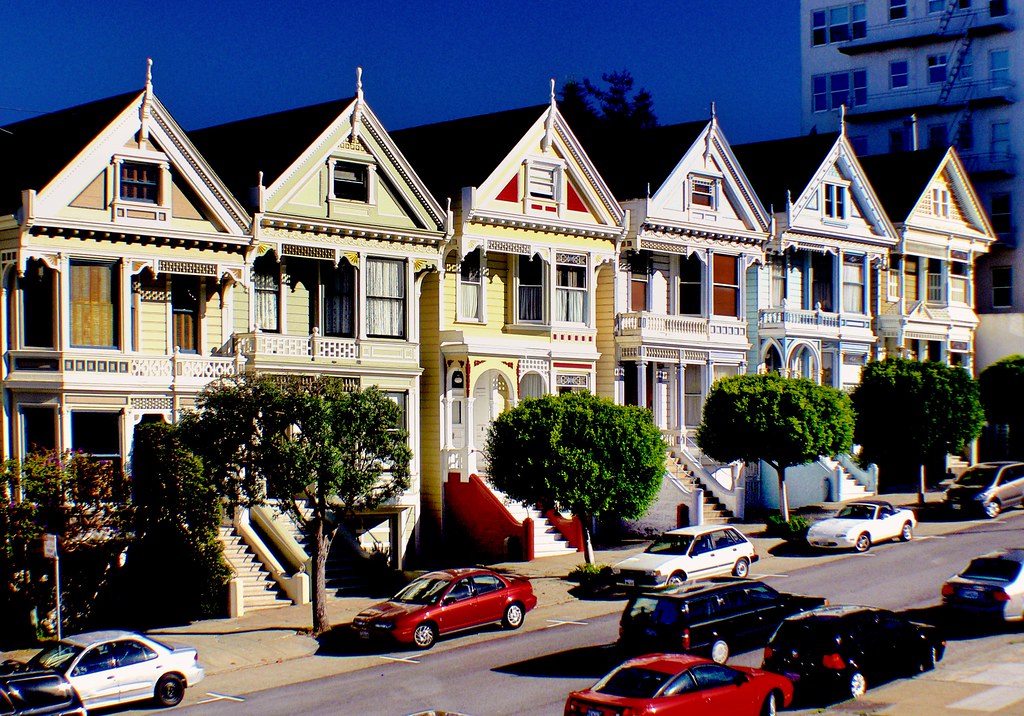
The Dominican Republic, a jewel of the Caribbean, beckons individuals from around the globe with its captivating beauty, vibrant culture, and increasingly attractive real estate market. For those dreaming of a life beyond their current horizons, the prospect of owning a home in this tropical paradise offers a compelling blend of lifestyle enhancement, sound investment opportunities, and a chance to immerse oneself in a rich and welcoming culture.
This island nation provides an accessible gateway to a Caribbean dream, where the rhythm of island life and the warmth of its people create an irresistible draw for potential homeowners.The primary motivations for purchasing property in the Dominican Republic are multifaceted, catering to a diverse range of aspirations. Foremost among these is the pursuit of an enhanced lifestyle. Many are drawn by the promise of year-round sunshine, pristine beaches, and a relaxed pace of life that stands in stark contrast to the stresses of urban living in colder climates.
The abundance of outdoor activities, from world-class golf and water sports to hiking and exploring lush rainforests, appeals to those seeking adventure and well-being. Beyond the recreational allure, the investment potential is a significant driver. The Dominican Republic’s real estate market has demonstrated steady growth, offering attractive returns for investors, particularly in popular tourist destinations. Property values in prime locations often appreciate, and rental income can be a lucrative prospect, especially for vacation homes.
Furthermore, the cost of living and property acquisition can be significantly lower compared to many North American and European countries, making it an economically savvy choice. Cultural integration is another powerful motivator. The Dominican Republic boasts a rich heritage, a vibrant music and dance scene, and a population known for its warmth and hospitality. For many, purchasing a home is not just about acquiring an asset, but about becoming part of a community, learning a new language, and experiencing a different way of life.
This desire for genuine connection and cultural immersion is a profound reason why so many choose to make the Dominican Republic their permanent or semi-permanent residence.
Dominican Republic Real Estate Hotspots
The Dominican Republic offers a diverse array of geographical regions, each with its unique charm and appeal, making certain areas particularly sought after for real estate acquisition. These locations cater to different preferences, whether one seeks bustling tourist hubs, serene natural landscapes, or vibrant cultural centers.The North Coast, encompassing areas like Puerto Plata, Sosúa, and Cabarete, is a long-established favorite for expats and investors.
Puerto Plata, with its international airport and historical significance, offers a blend of city amenities and coastal living. Sosúa is renowned for its beautiful beaches and a lively atmosphere, attracting those who enjoy a more active social scene. Cabarete, on the other hand, is a world-renowned mecca for windsurfing and kitesurfing, drawing a younger, more adventurous crowd. This region benefits from well-developed infrastructure and a strong existing expat community, simplifying the transition for new residents.The Samaná Peninsula, located in the northeast, offers a more tranquil and exclusive experience.
Towns like Las Terrenas and Las Galeras are celebrated for their breathtaking natural beauty, including pristine, undeveloped beaches, lush coconut groves, and dramatic cliffs. Samaná is also a prime location for whale watching during the winter months, adding to its natural allure. This region appeals to those seeking a more laid-back lifestyle and a closer connection to nature, often featuring more luxurious and secluded properties.The southeastern coast, particularly Punta Cana and Bávaro, is synonymous with large-scale resorts and a high volume of tourism.
While primarily known for its all-inclusive hotels, this area also presents opportunities for condominium and villa ownership, often within gated communities offering resort-style amenities. Its appeal lies in the convenience, accessibility via its international airport, and the established infrastructure that supports a comfortable lifestyle. It’s ideal for those who appreciate proximity to services, entertainment, and a vibrant tourist economy.The capital city, Santo Domingo, offers a different kind of allure.
Its Colonial Zone, a UNESCO World Heritage site, is a hub of history, culture, and urban living. For those who prefer city life with its museums, art galleries, restaurants, and bustling commercial districts, Santo Domingo provides a unique blend of historical charm and modern convenience. Property here ranges from historic apartments in the Colonial Zone to contemporary residences in newer developments.
Initiating the Dominican Republic Property Search
Embarking on the journey to find houses for sale in the Dominican Republic requires a structured and informed approach to ensure a smooth and successful acquisition. Prospective buyers should prioritize thorough research and preparatory actions to navigate the market effectively and confidently.The very first step involves defining your personal and financial parameters. This includes clarifying your budget, including not only the purchase price but also ongoing costs like property taxes, homeowner association fees, utilities, and potential renovation expenses.
Understanding your financing options, whether through local banks, international lenders, or cash purchases, is crucial. Simultaneously, clearly identifying your desired lifestyle and location preferences is paramount. Are you seeking a beachfront villa, a city apartment, a secluded mountain retreat, or a property in a golf community? Researching different regions based on these preferences, as well as their proximity to amenities like airports, hospitals, and international schools, will narrow down your search considerably.Due diligence is non-negotiable.
Engaging a reputable, independent real estate agent who is familiar with the Dominican Republic market is highly recommended. Look for agents with established track records and positive testimonials. Equally important is securing the services of a qualified, independent lawyer specializing in real estate transactions in the Dominican Republic. This legal professional will conduct a thorough title search to verify ownership, check for any liens or encumbrances on the property, and ensure all legal documentation is in order.
They will also guide you through the contract process and ensure your rights are protected.Understanding the legal framework for foreign ownership is also essential. In the Dominican Republic, foreigners have the right to own property, but there are specific procedures and regulations that must be followed, often involving registration with the Central Bank. Familiarizing yourself with these requirements beforehand will prevent potential complications.
“A well-prepared buyer is a confident buyer, and in the Dominican Republic’s real estate market, preparation translates to peace of mind and a secure investment.”
Finally, visiting the country and the specific properties you are interested in is indispensable. Online listings can only convey so much. Experiencing the atmosphere, the local community, and the condition of the property firsthand is vital. Schedule multiple visits if possible, at different times of the day, to get a comprehensive feel for the neighborhood and the property.
Hypothetical Family Relocation Scenario
Consider the Miller family: John, Sarah, and their two children, aged 10 and 14. They are seeking a permanent move to the Dominican Republic, driven by a desire for a more relaxed pace of life, better weather, and opportunities for their children to experience a different culture. John, a software developer, can work remotely, while Sarah, a former teacher, is considering returning to education or pursuing local opportunities.
Their budget for a property is in the range of $300,000 to $450,000 USD.Their property search process begins with extensive online research, focusing on regions that offer a good balance of lifestyle amenities, safety, and access to international schools. They are initially drawn to the North Coast, particularly Cabarete and Sosúa, due to the established expat communities and the variety of housing options.
They also explore the Samaná Peninsula for its natural beauty and quieter lifestyle, though they are concerned about the distance to major international airports for frequent visits back home.The Millers engage a reputable real estate agent who specializes in family homes. Their agent helps them understand the nuances of buying in gated communities, which offer added security and amenities like swimming pools and play areas, appealing to their children’s needs.
They also discuss the possibility of properties with space for a home office for John.After narrowing down their options to a few properties in a secure, family-friendly community near Sosúa, they plan a two-week visit. During their visit, they prioritize viewing homes that are well-maintained and have sufficient space for their family. They are looking for a detached house, ideally with a private yard for the children to play in and perhaps a small garden for Sarah.
They consider:
- Single-family homes within gated communities: These often feature shared amenities like pools and playgrounds, offering a safe environment for children and a sense of community. They typically have 3-4 bedrooms and a private garden.
- Villas with private pools: For a bit more luxury and privacy, a villa with its own pool would be a significant draw, especially given the tropical climate. These might be slightly larger and offer more outdoor living space.
- Apartments in developments with shared facilities: While less likely to be their primary choice for a permanent move, they might consider larger apartments in developments that offer extensive amenities like gyms, communal gardens, and on-site management, if the location and price were exceptionally attractive.
They spend time exploring the local schools, visiting the nearest international school to assess its curriculum and facilities. They also investigate local markets, restaurants, and recreational activities to ensure the area meets their lifestyle expectations. The legal aspects are handled by a trusted lawyer recommended by their agent, who guides them through the title transfer and registration process, ensuring all paperwork is compliant with Dominican law.
Their goal is to find a comfortable, secure, and welcoming home that allows them to fully embrace their new life in the Dominican Republic.
Exploring Diverse Housing Archetypes Available for Purchase Across the Dominican Republic.
The Dominican Republic, a Caribbean gem, offers a captivating spectrum of residential property types, catering to a wide array of tastes, lifestyles, and investment goals. Beyond the postcard-perfect beaches, a rich tapestry of architectural styles and property archetypes awaits those seeking new horizons. Whether you envision waking up to the gentle rhythm of the waves, embracing the vibrant pulse of city life, or finding solace in a tranquil mountain escape, the Dominican Republic presents a diverse and compelling housing market.
This exploration delves into the variety of residences available, highlighting regional architectural nuances, the pros and cons of new versus pre-owned purchases, and providing tangible examples to illustrate the possibilities.The sheer diversity of housing options reflects the island’s varied geography and cultural influences. From the sun-drenched coasts to the verdant interior, each region boasts unique characteristics that shape its property landscape.
This allows buyers to find a home that not only meets their functional needs but also resonates with their aesthetic preferences and desired lifestyle. Understanding these archetypes is crucial for making an informed decision in this dynamic real estate market.
Variety of Residential Property Types
The Dominican Republic’s real estate market is characterized by an impressive range of property types, each offering a distinct living experience. Beachfront villas are perhaps the most iconic, often featuring expansive open-plan living spaces, private pools, and direct access to sandy shores. These properties are ideal for those who prioritize ocean views and a resort-like lifestyle. Moving inland or into urban centers, modern apartments and penthouses have become increasingly popular, particularly in cities like Santo Domingo and Santiago.
These units typically offer contemporary amenities, shared facilities such as gyms and swimming pools, and the convenience of being close to commercial hubs and entertainment.For those drawn to history and character, colonial-style homes, especially prevalent in the Zona Colonial of Santo Domingo, offer a unique charm. These residences often feature intricate ironwork, terracotta roof tiles, and charming courtyards, exuding a sense of timeless elegance.
These homes can range from fully restored historical gems to properties requiring renovation, offering a project for those who appreciate heritage. Further inland, or in more secluded coastal areas, secluded mountain retreats and eco-lodges provide an escape from the hustle and bustle. These properties are often characterized by their natural materials, integration with the surrounding landscape, and a focus on privacy and tranquility, appealing to nature lovers and those seeking a peaceful sanctuary.
Architectural Styles and Regional Influences
The architectural landscape of the Dominican Republic is a fascinating blend of indigenous traditions, Spanish colonial heritage, and modern international influences. In coastal regions, particularly popular tourist destinations like Punta Cana and the North Coast, you’ll find a prevalence of contemporary Caribbean architecture. This style emphasizes open-plan living, large verandas, and the use of natural materials like wood and stone to maximize airflow and capture ocean breezes.
Properties often feature pitched roofs to handle tropical rainfall and vibrant color palettes that reflect the island’s lively spirit. Functionality here is geared towards maximizing outdoor living and enjoying the tropical climate.In contrast, the historic Zona Colonial of Santo Domingo is a living museum of Spanish colonial architecture. Here, buildings are characterized by thick stone walls, arched doorways and windows, intricate tile work, and central courtyards that provide shade and a sense of seclusion.
These structures were built for durability and to withstand the tropical heat, often featuring high ceilings and small, strategically placed windows. Modern developments in urban centers, on the other hand, often adopt a more international, minimalist aesthetic, with clean lines, extensive use of glass, and sophisticated building materials. These designs prioritize efficiency, modern amenities, and often incorporate sustainable building practices.
The influence of these styles directly impacts the property’s aesthetics, from its exterior appearance to its internal layout and the materials used in its construction.
Newly Constructed vs. Pre-Owned Property, Houses for Sale in Dominican Republic
The decision between purchasing a newly constructed home and a pre-owned property in the Dominican Republic involves distinct advantages and disadvantages. Newly constructed homes offer the appeal of modern design, the latest building codes and materials, and the absence of immediate maintenance concerns. Buyers often benefit from builder warranties, customized finishes, and energy-efficient features. This can provide peace of mind, especially for those unfamiliar with local building practices.
However, new constructions can sometimes come with a higher price tag and may be located in developing areas that are still establishing their infrastructure and amenities.Pre-owned properties, conversely, can offer more character, established neighborhoods, and potentially a lower purchase price. Older homes, especially those in desirable, mature communities, may already be well-integrated with local services and have a history of proven durability.
They can also present an opportunity for buyers to add their personal touch through renovations. The primary disadvantage of pre-owned homes is the potential for unexpected repair costs and the need for thorough inspections to identify any underlying issues. Older plumbing, electrical systems, or structural concerns might require significant investment. It is crucial to factor in these potential costs when evaluating a pre-owned property.
Visual Representation of Distinct Property Listings
Here are descriptive examples of three distinct property listings in different Dominican Republic locales:
-
Location: Punta Cana, La Altagracia Province
Property Type: Beachfront Luxury Villa
Features: This exquisite villa boasts 5 bedrooms, 6 bathrooms, and over 5,000 sq ft of living space. It features a private infinity pool overlooking the turquoise Caribbean Sea, a fully equipped gourmet kitchen with high-end appliances, expansive covered terraces perfect for al fresco dining, and direct beach access.The master suite includes a spa-like en-suite bathroom and a private balcony. The property is sold fully furnished with contemporary, high-quality decor. Amenities include 24/7 security, a private chef service available, and access to exclusive resort facilities.
Estimated Pricing: USD $2,500,000 – $3,500,000 -
Location: Zona Colonial, Santo Domingo
Property Type: Restored Colonial-Style Apartment
Features: Situated in the heart of the historic Zona Colonial, this charming 2-bedroom, 2-bathroom apartment offers a unique blend of history and modern comfort.It occupies a portion of a beautifully restored colonial building, featuring original exposed brickwork, high ceilings with decorative moldings, and a private balcony overlooking a cobblestone street. The apartment has a modern, fully fitted kitchen and renovated bathrooms. Residents enjoy access to a tranquil interior courtyard and the convenience of being within walking distance to historical sites, restaurants, and cultural attractions.
Estimated Pricing: USD $250,000 – $400,000
-
Location: Jarabacoa, La Vega Province
Property Type: Secluded Mountain Retreat Cabin
Features: Nestled in the cool, pine-scented mountains of Jarabacoa, this rustic yet comfortable cabin offers 3 bedrooms, 2 bathrooms, and approximately 1,800 sq ft of living space.Constructed with local wood and stone, it features a large stone fireplace, a spacious deck with panoramic mountain views, and a well-equipped kitchen. The property is surrounded by lush greenery and offers hiking trails nearby. It’s an ideal escape for those seeking peace, fresh air, and a connection with nature. The property includes a private well and septic system.
Estimated Pricing: USD $180,000 – $300,000
Essential Features Checklist for Property Inspection
When inspecting a potential house for sale in the Dominican Republic, a thorough checklist is invaluable to ensure you are making a sound investment and that the property meets your needs. This checklist covers critical aspects of construction, utilities, and proximity to essential services, helping to avoid future headaches and unexpected expenses.When considering a property, pay close attention to the following:
- Construction Quality: Examine the foundation for any cracks or signs of settling. Inspect walls, both interior and exterior, for moisture stains, mold, or significant cracks. Check the condition of the roof for any leaks, missing shingles, or signs of wear. Assess the integrity of windows and doors, ensuring they open and close smoothly and are well-sealed. Pay attention to the materials used in construction and their condition.
- Utilities: Verify the reliability and capacity of the electrical system, including the age and condition of the wiring and breaker box. Check the water supply, including water pressure and the source (municipal or private well). Investigate the sewage system (municipal or septic tank) and its condition. Confirm the availability and quality of internet and telecommunication services.
- Plumbing: Test all faucets, showers, and toilets for proper function and leaks. Check for any signs of water damage or corrosion in pipes. Ensure hot water systems are functional and adequate.
- Air Conditioning and Ventilation: Assess the condition and efficiency of any existing air conditioning units. Consider the natural ventilation of the property, especially in warmer climates.
- Pest Control: Look for signs of termites, rodents, or other pests, which can be common in tropical environments.
- Proximity to Services: Evaluate the distance to essential services such as supermarkets, pharmacies, hospitals or clinics, and banks. Consider the accessibility to transportation routes and public transport options.
- Neighborhood and Environment: Assess the general upkeep and safety of the surrounding neighborhood. Consider noise levels, potential for flooding, and the overall ambiance.
- Legal Documentation: Ensure all property titles and legal documents are in order and can be verified by a legal professional.
- Community Amenities: If applicable, check the condition and accessibility of shared amenities like pools, gyms, or common areas.
Immersing Oneself in the Dominican Republic Lifestyle Through Residential Choices
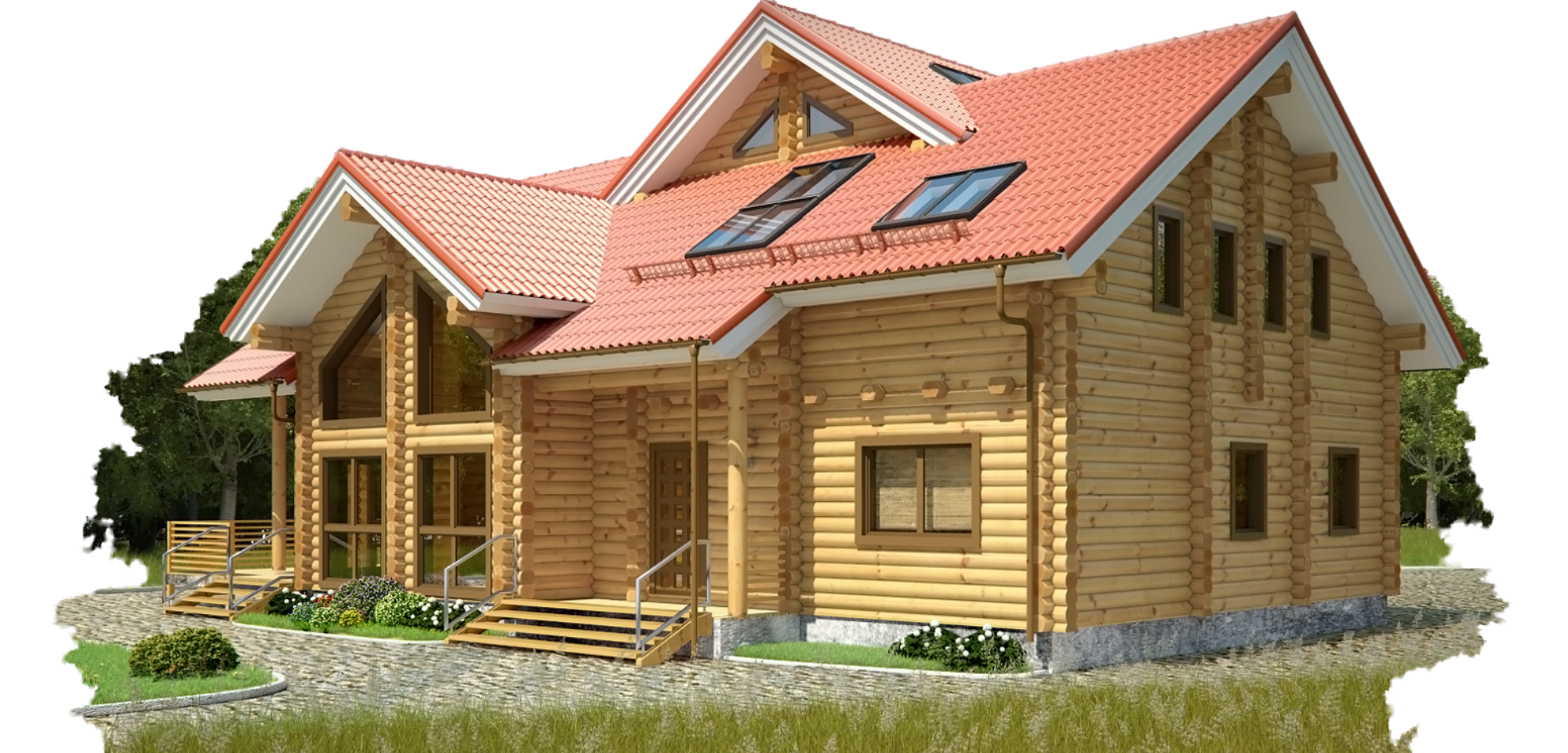
Choosing where to establish your home in the Dominican Republic is far more than a simple real estate transaction; it’s a fundamental decision that profoundly shapes your daily existence and your journey of integration into the vibrant local culture. The Dominican Republic offers a rich tapestry of living environments, each with its distinct rhythm, community dynamics, and access to amenities.
Your chosen location will directly influence your exposure to authentic Dominican experiences, from the bustling energy of city life to the serene tranquility of coastal towns, and from the social fabric of tight-knit neighborhoods to the more independent lifestyle of secluded villas. Understanding these nuances is key to selecting a residence that not only meets your practical needs but also allows you to truly embrace the Dominican way of life.The Dominican Republic’s diverse geography and development patterns have created a mosaic of communities, each fostering unique social interactions and opportunities for engagement.
Whether you opt for a condominium in a lively urban center, a villa in a planned resort community, or a house in a traditional village, the surrounding environment will dictate your daily social landscape. These communities offer varied avenues for connection, from spontaneous encounters at local markets and community events to organized social clubs and expatriate gatherings. The depth of your immersion will be directly proportional to your willingness to engage with the local culture, and your residential choice plays a pivotal role in facilitating or, at times, presenting gentle challenges to this integration.Practical considerations for everyday living are intrinsically linked to your property’s location.
Access to essential services such as quality healthcare, reputable educational institutions (both local and international), reliable transportation networks, and a plethora of recreational activities will vary significantly across different regions and even within specific neighborhoods. For instance, proximity to a well-equipped hospital or an international school might be a priority for families, while easy access to pristine beaches and water sports facilities could be paramount for retirees or those seeking an active lifestyle.
Understanding these logistical elements ensures a smoother transition and a more enjoyable living experience.The Dominican Republic offers a spectrum of locales catering to diverse lifestyle preferences. For those drawn to the pulse of urban excitement, neighborhoods within Santo Domingo, such as Piantini or Naco, provide a cosmopolitan atmosphere with upscale shopping, fine dining, and a dynamic social scene. If a tranquil coastal existence is more appealing, towns like Las Terrenas on the Samaná Peninsula offer a bohemian charm with stunning beaches and a relaxed pace of life.
For a blend of both, cities like Santiago offer a vibrant cultural hub with a more traditional Dominican feel. The North Coast, particularly areas around Puerto Plata and Cabarete, is renowned for its water sports and a thriving expatriate community.
Browse the implementation of homes mobile homes in real-world situations to understand its applications.
Integrating Local Amenities and Services into Daily Routines
The integration of local amenities and services into the daily routines of homeowners is a defining aspect of the unique Dominican experience. This integration goes beyond mere convenience; it’s about weaving yourself into the fabric of local life. Imagine your morning routine: perhaps it begins with a visit to a local
- colmado* (corner store) for freshly baked bread and
- café dominicano*, engaging in casual conversation with the proprietor and neighbors. Later, you might visit a farmer’s market, not just for fresh produce but also to experience the lively atmosphere and the opportunity to practice your Spanish.
- Healthcare Access: The availability and quality of healthcare services vary. Major cities like Santo Domingo and Santiago boast modern private hospitals and clinics with internationally trained medical professionals, offering a high standard of care. Smaller towns and rural areas may have more basic public health centers, and for specialized treatments, residents often travel to larger cities. Property location can significantly influence emergency response times and the ease of accessing regular medical check-ups.
- Educational Opportunities: For families with children, access to quality education is a critical factor. International schools, offering curricula in English or other languages, are primarily located in larger urban centers and popular expatriate enclaves, providing a familiar educational framework. Local public and private schools offer a more immersive Dominican educational experience, which can be beneficial for those seeking deeper cultural integration.
- Transportation Networks: Navigating the Dominican Republic depends heavily on your chosen location. Major cities have public transportation systems, including buses and
-gua-guas* (minibuses), alongside readily available taxis and ride-sharing services. In more remote coastal or rural areas, a personal vehicle, often a 4×4, may be essential for convenience and accessing services. Proximity to main highways and airports is a key consideration for frequent travelers or those needing to access services in other regions. - Recreational Activities: The Dominican Republic is an outdoor enthusiast’s paradise. Coastal areas offer world-class beaches for swimming, sunbathing, and water sports like surfing, kiteboarding, and diving. Inland, national parks and mountain ranges provide opportunities for hiking, exploring waterfalls, and birdwatching. The availability of these activities is directly tied to your residential location, with beachfront properties offering immediate access to the ocean and mountain retreats providing solace in nature.
The daily rhythm of a homeowner in the Dominican Republic is often enriched by the seamless integration of local amenities. Consider the social aspect: a casual chat at the local bakery, joining a friendly game of dominoes at a neighborhood park, or attending community festivals and religious celebrations. These everyday interactions foster a sense of belonging and provide authentic cultural insights that are invaluable.
Even simple tasks like grocery shopping can become a cultural immersion, as you learn about local produce and engage with vendors.
“The true essence of living in the Dominican Republic is found not just in the beauty of its landscapes, but in the warmth of its people and the vibrant rhythm of its daily life, accessible through mindful residential choices.”
Choosing a residence near local markets means access to the freshest ingredients and a lively social hub. Opting for a home within walking distance of amalecón* (seaside promenade) in a coastal town allows for spontaneous evening strolls and interaction with locals and fellow residents. Even the choice of a neighborhood with well-maintained public spaces can significantly enhance daily life, providing venues for exercise, relaxation, and community gatherings.
These elements, when thoughtfully considered in relation to property location, transform a house into a home deeply connected to the Dominican way of life.
Conclusive Thoughts

Embarking on the journey to buy a house for sale in the Dominican Republic is an exciting prospect, filled with the promise of a vibrant lifestyle and sound investment. By understanding the market, navigating the financial and legal landscapes, and appreciating the diverse housing archetypes, prospective buyers can confidently secure their ideal property. This guide has aimed to illuminate the path, offering insights and practical advice to ensure your Dominican real estate experience is both rewarding and seamless.
Your Caribbean dream home awaits.
FAQ Insights
What is the process for a foreigner to buy property in the Dominican Republic?
Foreign nationals can generally purchase property in the Dominican Republic without significant restrictions, similar to local buyers. The process involves identifying a property, conducting due diligence (including title searches), negotiating a purchase agreement, and working with a lawyer to facilitate the closing and title transfer.
Are there any restrictions on foreign ownership of beachfront property?
While direct ownership of coastal land can be complex due to maritime law, foreign buyers can acquire beachfront properties. Often, this is achieved through long-term leases or by purchasing through a Dominican corporation, or by utilizing a “fideicomiso” (trust) arrangement, which provides secure ownership rights.
What are the typical ongoing costs of owning a property in the Dominican Republic?
Ongoing costs include annual property taxes (if applicable, based on property value), homeowner association fees (for condos or developments), utilities (electricity, water, internet), property insurance, and potential maintenance or caretaker fees, especially for vacation homes.
Is it advisable to hire a real estate agent and a lawyer when buying property?
Absolutely. A reputable real estate agent can help you find suitable properties and navigate the market. A qualified, independent lawyer is crucial for conducting thorough due diligence, ensuring the title is clear, explaining legal documents, and overseeing the entire transaction to protect your interests.
What is the average property tax rate in the Dominican Republic?
For properties valued over a certain threshold (currently RD$10 million, subject to change), there is an annual property tax of 1% on the excess value. Properties below this threshold are exempt from this annual tax. It’s important to verify current thresholds with a legal professional.