Houses for sale in Florida offer a gateway to a diverse array of residential landscapes, from sun-drenched coastal enclaves to serene inland communities. This vibrant state presents a unique tapestry of living experiences, each region boasting its own distinct charm and appeal. Whether you dream of waking to the sound of ocean waves or prefer the tranquility of sprawling acreage, Florida’s property market is poised to fulfill a wide spectrum of desires.
Exploring the residential opportunities across Florida reveals a fascinating interplay of geography, climate, and architectural innovation. The state’s extensive coastline beckons with opportunities for waterfront living, featuring properties that often emphasize outdoor enjoyment and breathtaking views. In contrast, inland areas frequently provide a sense of community and space, catering to those seeking a more grounded lifestyle. Understanding these fundamental differences is the first step in navigating the exciting journey of finding your perfect Florida home.
Uncover the Diverse Residential Landscapes Available for Acquisition Across Florida’s Coastal and Inland Regions.
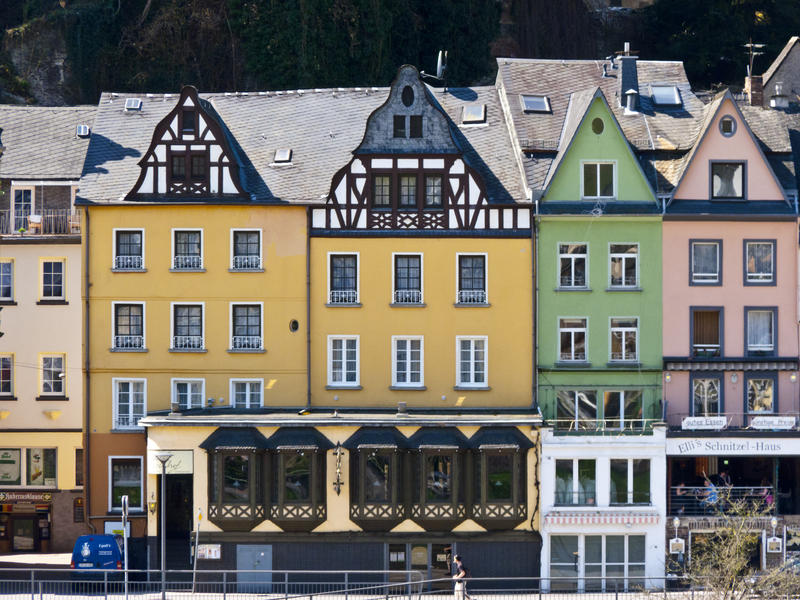
Florida presents a remarkable spectrum of residential opportunities, catering to a wide array of preferences and lifestyles. From the sun-drenched shores of its extensive coastline to the serene, verdant expanses of its interior, the state offers distinct environments for homeowners. Understanding these differences is paramount for any prospective buyer aiming to find their ideal Florida abode, whether seeking the vibrant energy of beach living or the tranquil charm of a more secluded setting.The allure of Florida’s coastal regions is undeniable, drawing individuals with its promise of proximity to the ocean.
Properties here often boast breathtaking water views, direct beach access, and a lifestyle centered around aquatic activities. Architectural styles in these areas frequently emphasize open-air living, with features like balconies, patios, and large windows to capture the sea breeze and natural light. Homes can range from luxurious beachfront condominiums offering resort-style amenities to charming single-family residences nestled just a short walk from the sand.
The constant ebb and flow of the tides, the sound of crashing waves, and the vibrant marine life contribute to a unique sensory experience that defines coastal living.In stark contrast, Florida’s inland residential areas offer a different, yet equally compelling, set of advantages. These regions often feature more expansive land parcels, allowing for larger homes, generous gardens, and greater privacy.
Inland communities are typically characterized by a more settled, family-oriented atmosphere, with a strong emphasis on neighborhood cohesion and local amenities. The availability of land can also translate into more affordable property prices compared to prime coastal locations, making it an attractive option for those seeking more space for their budget. While direct ocean access is absent, many inland areas are graced with picturesque lakes, rivers, and natural springs, offering their own forms of water recreation and natural beauty.
Climate Influences on Home Design and Availability
Florida’s diverse climate significantly shapes the types of homes available for purchase, influencing both their construction and their suitability for specific regions. The state’s geographical position exposes it to varying weather patterns, from the tropical humidity and hurricane risks along the coast to the more temperate conditions further inland.Coastal properties, especially those in hurricane-prone zones, are increasingly built with resilience in mind.
This often involves:
- Reinforced construction materials, such as concrete block with impact-resistant windows and doors, designed to withstand high winds and flying debris.
- Elevated foundations to mitigate the risk of storm surge flooding, a critical consideration for beachfront and near-beach properties.
- Roof designs engineered for superior wind resistance, including hip roofs and specialized fastening techniques.
- Advanced drainage systems to manage heavy rainfall associated with tropical storms.
Inland residential areas, while still subject to Florida’s weather, generally face fewer direct threats from hurricanes and storm surges. Consequently, the focus in these regions often shifts towards:
- Energy-efficient designs that maximize cooling and minimize electricity consumption, given the warm climate. This includes features like superior insulation, high-performance windows, and efficient HVAC systems.
- Homes that are designed to take advantage of natural ventilation and shade, with larger eaves and strategically placed landscaping.
- A broader range of architectural styles, as the extreme weather considerations are less dominant.
- Potential for more traditional construction methods where extreme weather resilience is not the primary driver.
Buyer Decision-Making: Coastal Condo vs. Inland Family Home
Consider a hypothetical buyer, the Rodriguez family, who are relocating to Florida and have distinct priorities. They are torn between two compelling options: a stylish two-bedroom beachfront condominium in Clearwater and a spacious four-bedroom family home situated in a well-established suburb of Orlando.The beachfront condo in Clearwater immediately appeals to their desire for an active, leisure-oriented lifestyle. Its key advantages include:
- Proximity to the Beach: Daily walks on the sand, swimming in the Gulf, and breathtaking sunset views become part of their routine.
- Low Maintenance: The condominium association handles exterior maintenance, landscaping, and amenities like the pool, freeing up their time.
- Investment Potential: High demand for vacation rentals can offer significant income generation, and the property value is often tied to the desirable coastal location.
- Lifestyle: Access to beachfront restaurants, water sports, and a vibrant social scene.
However, the trade-offs are significant. The living space is more compact, potentially limiting their ability to host extended family or pursue hobbies requiring ample room. The cost of living, including property taxes and association fees, is considerably higher. Furthermore, while offering recreational opportunities, the constant exposure to coastal weather means higher insurance premiums and a greater awareness of hurricane preparedness.Conversely, the spacious family home in Orlando offers a different set of benefits, aligning with their need for room to grow and a more grounded community feel.
Its strengths include:
- Ample Living Space: The larger home provides dedicated rooms for each family member, a home office, and space for hobbies, as well as a large backyard for children to play.
- Community Focus: The neighborhood boasts excellent schools, parks, and family-friendly events, fostering a strong sense of belonging.
- Cost-Effectiveness: While not directly on the beach, the property offers more square footage for their budget, and the overall cost of living, including insurance, is generally lower.
- Accessibility: While not beachfront, Orlando offers proximity to theme parks, cultural attractions, and major employment centers, with relatively easy access to both coasts for weekend trips.
The primary trade-off here is the absence of immediate beach access and the daily ocean experience. While lakes and community pools offer water activities, it’s not the same as stepping onto the sand from their doorstep. The lifestyle is more suburban and less overtly “vacation-oriented” than the coastal option.The Rodriguez family’s decision hinges on prioritizing their lifestyle and financial goals.
If their primary aim is immediate access to the ocean, a low-maintenance, high-activity lifestyle, and the potential for rental income, the Clearwater condo might be the better fit, despite its spatial limitations and higher costs. If, however, their priority is providing ample space for their family, establishing roots in a community, and a more budget-conscious approach to homeownership, the Orlando suburban home would likely be the more suitable choice, with the understanding that beach excursions would be planned trips rather than daily occurrences.
Discover more by delving into homes mobile homes further.
This scenario highlights how Florida’s diverse landscapes offer distinct pathways to fulfilling varied aspirations.
Explore the Varied Architectural Styles and Property Types Commonly Found When Searching for Residences in Florida.
Florida’s housing market is a vibrant tapestry woven from diverse architectural influences and property classifications, catering to a wide spectrum of tastes and lifestyles. When embarking on the journey to find a home in the Sunshine State, understanding these variations is key to making an informed decision that aligns with both personal preferences and practical needs. From the sun-drenched coasts to the serene inland landscapes, the architectural vernacular and the types of residences available reflect the state’s unique history, climate, and cultural fusion.The architectural landscape of Florida is a fascinating blend of historical influences and modern innovation, shaped by its subtropical climate, abundant natural resources, and waves of migration.
These styles are not merely aesthetic choices; they are often functional adaptations to the environment, designed to maximize comfort and durability in a region prone to heat, humidity, and occasional severe weather. Each style brings its own character and appeal, contributing to the distinct charm of Florida’s residential communities.
Popular Florida Home Designs
The prevalence of certain architectural styles in Florida is deeply rooted in historical periods, the influence of specific designers, and the practicalities of building in a warm, humid climate. These designs have evolved over time, but their core characteristics remain, offering a distinct sense of place and aesthetic appeal that draws many to the state.The Mediterranean Revival style, deeply influential in Florida, particularly in areas like Palm Beach and Coral Gables, emerged in the early 20th century.
It draws inspiration from the architecture of Spain, Italy, and North Africa, characterized by red-tiled roofs, stucco exteriors, arched windows and doorways, wrought-iron details, and often courtyards or loggias. This style is well-suited to Florida’s climate, with its thick stucco walls providing insulation and the tiled roofs offering fire resistance and heat reflection. Its historical context is tied to the land boom of the 1920s, when developers sought to create a luxurious and exotic image for Florida’s burgeoning resort towns.
The aesthetic appeal lies in its timeless elegance, sense of grandeur, and seamless integration with lush landscaping. Mid-Century Modern architecture, popular from the mid-1940s to the late 1960s, also found a strong foothold in Florida, especially in cities like Sarasota and Miami. This style emphasizes clean lines, geometric shapes, large expanses of glass, and an open-plan living concept that blurs the lines between indoor and outdoor spaces.
It often features flat or low-pitched roofs, exposed structural elements, and the use of natural materials like wood and stone. The historical context is one of post-war optimism, technological advancement, and a desire for functional, unadorned living. Its aesthetic appeal is in its simplicity, functionality, and its ability to connect residents with the natural environment through expansive windows and seamless transitions to patios and gardens, making it ideal for Florida’s outdoor-oriented lifestyle.
Contemporary architecture in Florida, a broad category encompassing modern and current design trends, continues to evolve. It often features innovative use of materials, sustainable design principles, and a focus on energy efficiency. While styles can vary greatly, common elements include sleek designs, open floor plans, large windows, and integration with the surrounding landscape. Contemporary homes often utilize advanced construction techniques and materials to withstand the elements and minimize environmental impact.
Their aesthetic appeal lies in their cutting-edge design, personalized functionality, and often a striking visual presence that complements Florida’s natural beauty.
Distinct Property Classifications for Buyers, Houses for sale in florida
Navigating the Florida real estate market involves understanding the different types of properties available, each offering a unique set of benefits and drawbacks that cater to various buyer profiles and financial situations. These classifications represent distinct living experiences, from the privacy of a detached home to the convenience of shared amenities.Here is a breakdown of common property classifications and their advantages and disadvantages:
- Single-Family Homes:
- Advantages: Offer the most privacy and autonomy, with no shared walls or common areas. Buyers have complete control over their property, from renovations to landscaping. They are ideal for families seeking space, pet owners, and those who value independence.
- Disadvantages: Typically come with the highest purchase price and ongoing maintenance responsibilities, including lawn care, exterior repairs, and potentially private pool upkeep. Property taxes and insurance costs can also be higher.
- Townhouses:
- Advantages: Often provide a good balance between single-family home privacy and condominium convenience. They typically have multiple levels, a private entrance, and sometimes a small yard or patio. Homeowners associations (HOAs) usually cover exterior maintenance, landscaping, and common area upkeep, reducing individual burdens. They can be a more affordable option than detached homes in desirable areas.
- Disadvantages: Share at least one common wall with neighbors, which can lead to noise transfer. HOAs impose rules and fees, and while they manage maintenance, they also limit individual control over exterior modifications.
- Condominiums (Condos):
- Advantages: Offer a lifestyle focused on convenience and amenities. Buyers own their individual unit but share ownership of common areas like pools, gyms, and clubhouses. HOAs are responsible for all exterior maintenance, landscaping, and often utilities, making them attractive for those seeking a low-maintenance lifestyle, snowbirds, or first-time buyers. They are often located in prime areas with access to services and attractions.
- Disadvantages: HOAs have strict rules and regulations that can limit personal expression and freedom. Monthly HOA fees can be substantial and are subject to increases. There is less privacy due to close proximity to neighbors, and the resale value can sometimes be more susceptible to market fluctuations or the financial health of the HOA.
- Villas:
- Advantages: Often associated with resort-style living or planned communities, villas typically offer more space and privacy than a standard condominium, often featuring a small private yard or patio. They can be single-story or multi-story and are designed for comfort and ease of living. Some communities offer villa ownership with shared amenities, similar to condos, but with a more detached feel.
- Disadvantages: Similar to townhouses and condos, villas usually come with HOA fees and rules. The level of privacy can vary depending on the community’s design and density. They may also have restrictions on rentals and modifications.
Geographical Influence on Architectural Vernacular and Construction
The diverse geography of Florida profoundly influences the architectural vernacular and the construction materials employed in its homes, creating distinct structural characteristics that are adapted to local climates, available resources, and historical building traditions. A home designed for the tropical, hurricane-prone Keys will inherently differ from one built in the more temperate, historically agricultural Panhandle.Homes in the Florida Keys are characterized by their elevation and resilience against hurricanes and storm surges.
They are often built on stilts or elevated foundations to protect against flooding, a critical consideration in this low-lying archipelago. Common materials include durable wood, like treated pine or cypress, known for its resistance to salt and humidity, though concrete block construction is also prevalent for its strength. Roofs are typically metal or asphalt shingles designed to withstand high winds.
Browse the multiple elements of Cheap Mobile Homes for Sale in Palm Beach County to gain a more broad understanding.
Architectural styles often favor open-air designs, large screened porches, and wide windows to capture sea breezes and maximize natural ventilation, reflecting a relaxed, tropical lifestyle. Think of the classic stilt houses with their breezy, open lower levels, designed to let wind and water pass through, minimizing structural damage.In contrast, homes in the Florida Panhandle, particularly in its more historic areas, might exhibit influences from Southern plantation architecture or more traditional American styles.
Construction materials often include wood framing with brick or vinyl siding, reflecting a climate that is less intensely tropical than South Florida but still experiences significant humidity and occasional cold snaps. Roofs are typically pitched, often with asphalt shingles or metal. Homes here might feature larger, more enclosed living spaces compared to the Keys, with a greater emphasis on insulation for cooler months.
Architectural elements can include front porches with columns, gabled roofs, and more formal interior layouts. For example, a historic home in Pensacola might feature thick brick walls and a substantial wooden porch, built to last through generations and to provide a cool respite from summer heat while offering better protection against colder winter winds than an open-air design in the Keys.
The construction methods and materials are thus a direct response to the specific environmental challenges and aesthetic preferences of each region.
Unveil the Lifestyle Opportunities and Community Features That Attract Individuals to Florida’s Housing Market.

Florida’s allure extends far beyond its sun-drenched beaches and vibrant cities; it’s deeply rooted in the diverse lifestyle opportunities and robust community features that make its housing market so appealing. From the tranquil retirement havens to the bustling hubs of activity, each locale offers a unique tapestry of experiences designed to enrich residents’ lives. Understanding these distinct advantages is crucial for anyone considering a move to the Sunshine State.The state’s commitment to fostering a high quality of life is evident in its thoughtfully designed communities, each catering to specific interests and life stages.
Whether you’re seeking an active social calendar, a serene natural retreat, or convenient access to urban amenities, Florida presents a compelling proposition.
Distinctive Lifestyle Benefits in Florida Communities
Florida offers a spectrum of specialized communities, each curated to provide unique lifestyle benefits that resonate with a wide range of residents. These environments are designed not just for housing, but for fostering a particular way of life, emphasizing recreation, social engagement, and well-being.Active adult communities, for instance, are meticulously planned to cater to individuals aged 55 and better. These neighborhoods often feature an abundance of amenities such as golf courses, fitness centers, swimming pools, and community clubhouses that serve as vibrant social hubs.
Residents can participate in organized activities, clubs, and events, fostering strong social connections and maintaining an active lifestyle. The emphasis is on convenience, community, and opportunities for lifelong learning and leisure.Equestrian estates offer a different, yet equally attractive, lifestyle for horse enthusiasts. These properties typically boast spacious acreage, dedicated stables, riding arenas, and direct access to scenic trails. The lifestyle here is characterized by a deep connection to nature and animals, with opportunities for competitive riding, trail exploration, and a generally more rural and peaceful existence.
These communities often attract individuals who value privacy and a lifestyle centered around their passion for horses.Waterfront living in Florida is a dream for many, offering unparalleled access to boating, fishing, swimming, and other water sports. Properties can range from charming canal-front homes to luxurious oceanfront estates. The daily rhythm is often dictated by the tides and the sun, with opportunities for sunset cruises, early morning fishing trips, or simply enjoying the calming presence of the water from one’s own backyard.
These communities foster a strong connection to the marine environment and often have a relaxed, resort-like atmosphere.
“Florida’s housing market offers a lifestyle for every passion, from the thrill of the open water to the quiet rhythm of the countryside.”
Key Amenities and Infrastructure Supporting Florida Neighborhoods
The desirability of Florida neighborhoods is significantly enhanced by the presence of robust amenities and well-developed infrastructure, ensuring residents have convenient access to essential services and recreational opportunities. These elements contribute to a high quality of life and the overall attractiveness of a community.A comprehensive approach to neighborhood planning often includes:
- Educational Institutions: Access to quality public and private schools, from early childhood education to higher learning institutions, is a primary consideration for families.
- Healthcare Facilities: Proximity to reputable hospitals, specialized clinics, and medical practices provides peace of mind and ensures timely access to healthcare services.
- Retail and Dining: A variety of shopping districts, from bustling malls and boutique shops to local farmers’ markets, cater to diverse consumer needs and preferences. A vibrant culinary scene, offering everything from casual eateries to fine dining, further enhances the appeal.
- Transportation Networks: Efficient public transportation systems, including bus routes and light rail, along with well-maintained road networks and proximity to major highways and airports, facilitate easy commuting and travel.
The synergy between these infrastructural components and the unique lifestyle offerings creates environments where residents can thrive. For example, a family-friendly community might boast excellent schools and abundant parks, while a retirement enclave might prioritize walkability to shops and accessible healthcare.
Daily Life in a Desirable Florida Locale
Imagine a typical day in a well-appointed Florida neighborhood. The morning might begin with a refreshing walk or jog through a beautifully landscaped park, perhaps followed by a visit to a local café for breakfast. For those living near the coast, an early fishing excursion or a paddleboard session on the calm morning waters could be the start of the day.The availability of cultural attractions plays a significant role in enriching the daily lives of residents.
Many Florida communities offer access to art galleries, museums, live theaters, and music venues, providing ample opportunities for intellectual stimulation and entertainment. Proximity to natural environments is another key draw. Residents might spend afternoons exploring state parks with their diverse ecosystems, birdwatching in protected wetlands, or simply enjoying the tranquility of a nature preserve.Evenings could involve attending a community event at a local pavilion, enjoying a sunset dinner overlooking a lake or the ocean, or gathering with neighbors for a book club meeting.
The integration of green spaces, cultural amenities, and accessible natural beauty fosters a holistic living experience, where the environment actively contributes to the well-being and enjoyment of its inhabitants. This seamless blend of recreation, culture, and nature is a cornerstone of Florida’s residential appeal.
Examine the Economic Drivers and Future Outlook for Florida’s Residential Real Estate Sector.
Florida’s residential real estate market is a dynamic entity, continually shaped by a confluence of robust economic forces. The Sunshine State has long been a magnet for both domestic and international migration, a trend that significantly bolsters housing demand. This influx is not solely driven by the allure of warm weather and pristine beaches; it is deeply rooted in a thriving job market and favorable business environment.
Companies across various sectors, including technology, healthcare, and aerospace, are establishing or expanding their operations in Florida, creating a consistent demand for housing from relocating professionals and their families. Furthermore, the state’s attractive tax policies, particularly the absence of state income tax, serve as a powerful incentive for individuals and businesses alike, further fueling population growth and, consequently, the housing market.
Investment trends also play a crucial role, with both individual investors and institutional players recognizing the long-term potential of Florida properties, contributing to sustained demand and market activity.The economic landscape currently influencing Florida’s housing market is characterized by several key drivers. Persistent job growth across major metropolitan areas like Orlando, Tampa, and Miami acts as a primary engine, drawing new residents who require places to live.
This demographic shift is not just about numbers; it represents a qualitative change as well, with a growing cohort of skilled workers and entrepreneurs seeking opportunities. Investment trends are also noteworthy. Beyond traditional homeownership, Florida has seen a surge in real estate investment, driven by factors such as strong rental yields in tourist-heavy areas and the potential for capital appreciation in developing regions.
This dual demand—from owner-occupiers and investors—creates a competitive market environment. The supply side is also responding, though often with a lag, as developers work to keep pace with the escalating demand. However, challenges such as rising construction costs and land availability can sometimes temper the pace of new supply, leading to periods of intense competition for available properties. The interplay between these factors—population migration, job creation, and investment strategies—is crucial to understanding the current state and future trajectory of Florida’s residential real estate.
Investment Potential of Residential Properties
Comparing the investment potential of different residential property types in Florida requires a nuanced approach, considering various financial metrics and market dynamics. Each category offers distinct advantages and risks, catering to different investment goals and risk appetites.The following table Artikels a comparative analysis of common residential property types in Florida for investment purposes:
| Property Type | Typical Rental Yields | Historical Appreciation Rates | Long-Term Value Considerations | Key Investor Profile |
|---|---|---|---|---|
| Single-Family Homes | Moderate to High (especially in family-oriented suburbs and vacation rental zones) | Consistent, often outpacing inflation in desirable areas. | Strong demand for stable housing, potential for significant equity growth, suitable for long-term buy-and-hold strategies. | Individuals seeking steady income, capital growth, and portfolio diversification. |
| Condominiums/Townhouses | Variable (can be high in urban centers and tourist hotspots, lower in some suburban areas) | Can be strong, particularly in high-demand urban cores and resort destinations. | Lower maintenance for tenants and landlords, access to amenities, often more affordable entry point. Subject to HOA fees and regulations. | Investors prioritizing ease of management, cash flow in specific locations, and shorter-term rental strategies. |
| Multi-Family Units (Duplexes, Triplexes, etc.) | Generally Higher than single-family homes due to multiple income streams. | Solid, often mirroring single-family home appreciation but with added income stability. | Economies of scale in management, diversified rental income stream, potential for significant cash flow. | Investors seeking substantial cash flow, experienced in property management, and looking for portfolio growth. |
| Vacation/Short-Term Rentals | Potentially Very High, but highly variable and seasonal. | Can be strong, influenced by tourism trends and location desirability. | Requires active management or reliance on property management companies, subject to local regulations and market seasonality. High potential for returns in prime tourist locations. | Active investors, those with hospitality experience, or those comfortable with dynamic market fluctuations. |
It is important to note that specific locations within Florida will significantly influence these metrics. For instance, a beachfront condo in Miami Beach will likely command different rental yields and appreciation rates than a single-family home in a growing inland community. Due diligence and thorough market research are paramount for any real estate investment.
Obtain access to home houses to private resources that are additional.
Future Trajectory of the Florida Housing Market
The future trajectory of the Florida housing market is poised for continued growth, albeit with potential headwinds and evolving opportunities that will shape property values and accessibility for buyers. The state’s fundamental attractiveness—its favorable climate, growing economy, and tax advantages—is expected to sustain demand. However, the market’s path will be influenced by a complex interplay of economic, demographic, and environmental factors.Key opportunities include the ongoing expansion of high-growth industries, such as technology and life sciences, which will continue to draw skilled professionals and drive demand for housing in specific urban and suburban corridors.
Furthermore, the increasing adoption of remote work policies could further decentralize demand, benefiting secondary and tertiary markets that offer more affordable living options and a desirable lifestyle.Conversely, potential challenges loom. Rising interest rates, if sustained, could dampen buyer affordability and slow down transaction volumes, particularly for first-time homebuyers. The ongoing issue of housing affordability, exacerbated by increased demand and limited supply in some areas, will likely persist, potentially leading to greater demand for rental properties and innovative housing solutions.
Climate change and its associated risks, such as rising sea levels and increased hurricane activity, could also influence property values and insurance costs in coastal regions, necessitating careful consideration for both buyers and investors.For instance, consider the impact of natural disasters. Following major hurricanes, property values in heavily impacted areas can experience temporary declines, while the cost of insurance premiums can rise significantly.
This creates a dynamic where resilience and location become increasingly critical factors in property valuation.
“The Florida housing market’s future will be a balance between its enduring appeal and its adaptation to evolving economic and environmental realities.”
The market’s accessibility for buyers will be shaped by the rate at which new housing supply can be brought online, the effectiveness of policies aimed at promoting affordability, and the overall health of the national and global economies. A proactive approach to infrastructure development, sustainable building practices, and innovative housing models will be crucial in navigating these future dynamics and ensuring continued prosperity in Florida’s real estate sector.
Last Word: Houses For Sale In Florida
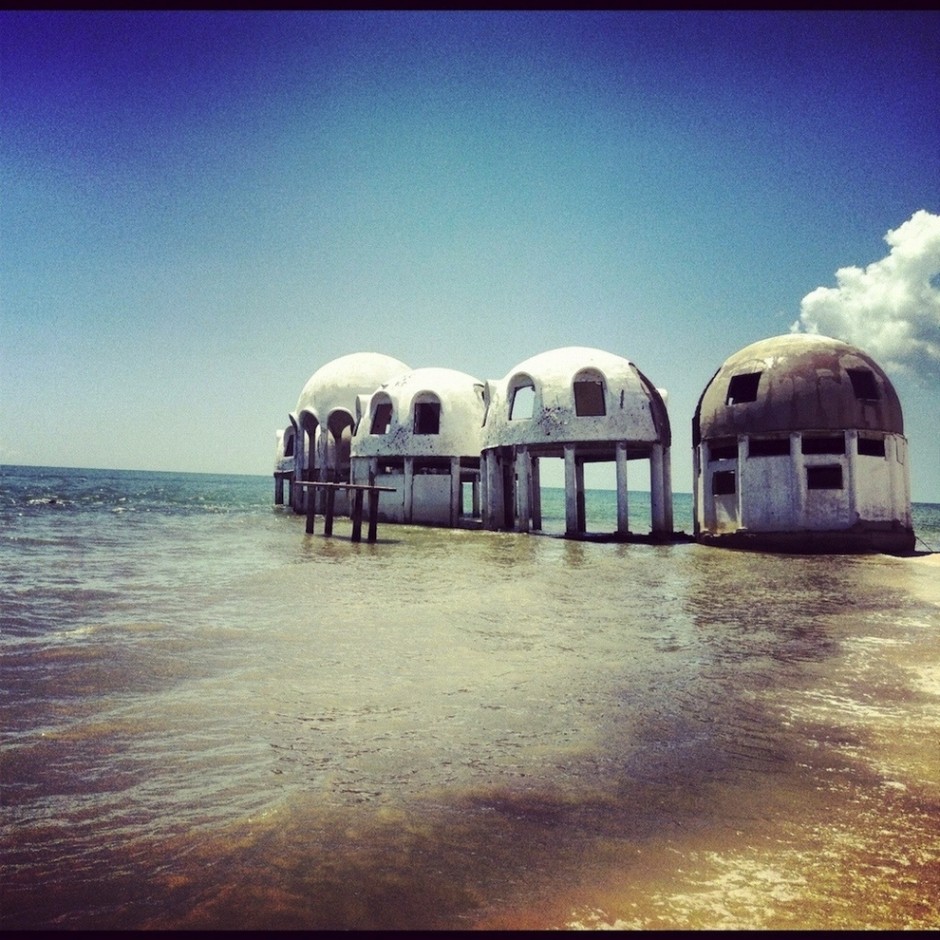
Ultimately, the quest for houses for sale in Florida is a rewarding exploration of lifestyle, investment, and personal aspiration. From the architectural marvels that grace its shores to the community-focused neighborhoods nestled inland, the Sunshine State offers a rich and varied housing market. By understanding the financial intricacies, architectural nuances, and the unique lifestyle opportunities available, prospective buyers can confidently embark on their journey to homeownership in this desirable locale.
Florida’s dynamic real estate sector continues to evolve, promising exciting prospects for those ready to make their move.
General Inquiries
What are the typical closing costs when buying a house in Florida?
Closing costs in Florida can include title insurance, escrow fees, recording fees, attorney fees, loan origination fees, appraisal fees, and prepaid items like property taxes and homeowner’s insurance. These typically range from 2% to 5% of the loan amount or purchase price.
How does Florida’s climate affect home construction and insurance?
Florida’s warm, humid climate and susceptibility to hurricanes necessitate specific building codes, often requiring hurricane-resistant windows, reinforced roofs, and specialized construction techniques. This can influence the upfront cost of homes and significantly impacts homeowner’s insurance premiums, which are generally higher in coastal areas and regions prone to severe weather.
Are there specific loan programs available for first-time homebuyers in Florida?
Yes, Florida offers various programs designed to assist first-time homebuyers, such as down payment assistance programs and low-interest mortgage options. These programs often have income and purchase price limitations and require completion of a homebuyer education course.
What is the difference between a condominium and a townhome in Florida?
A condominium (condo) typically means you own the interior of your unit, while the exterior and common areas are owned and maintained by a homeowners’ association (HOA). A townhome usually involves owning the structure and the land it sits on, though you may still have shared walls and an HOA responsible for some exterior maintenance and common areas.